
State Response to Organised Crime Lagging Behind Syndicates, Says Kieswetter
4 min read

Welcome back! Log in to keep reading without ads.
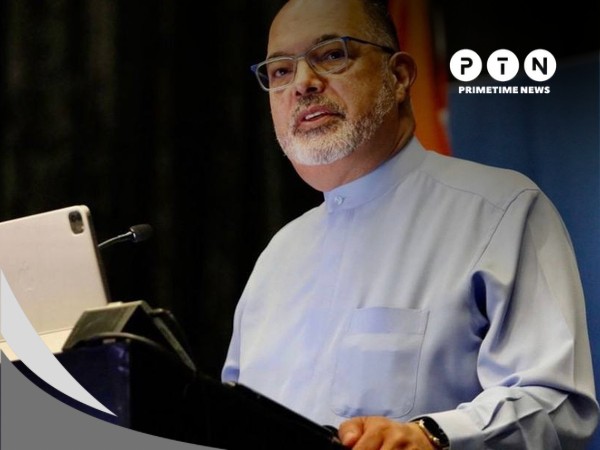
Former South African Revenue Service (SARS) commissioner Edward Kieswetter warned the Madlanga Commission on 25 November 2026 that criminal syndicates are moving faster than the country’s state response organised crime. He argued that the lag is largely a product of fragmented government institutions that fail to cooperate effectively.
Key points raised by Kieswetter
During his testimony, Kieswetter highlighted several structural weaknesses that hinder the fight against organised crime. He said that while SARS has taken decisive steps—such as seizing assets, withholding illicit funds and reversing fraudulent refunds—the agency loses track of cases once they are handed over to the National Prosecuting Authority (NPA). “SARS has done what it needed to do to unwind the syndicate, to seize the assets, to withhold some money, to reverse the refunds, but then hands the files over to the NPA. Once SARS hands it over, it has no further visibility on it,” he explained.
The former commissioner noted that more than 80 files were transferred to the NPA over three years ago, yet there has been no statutory requirement for the prosecuting authority to report progress back to SARS. This lack of feedback, he argued, creates a blind spot that criminal networks can exploit.
Calls for a collaborative criminal‑justice ecosystem
Kieswetter urged the commission to adopt a “collaborative criminal‑justice ecosystem” that goes beyond the traditional focus on arrests and convictions. He suggested that a coordinated approach—linking tax officials, law‑enforcement, prosecutors and intelligence units—could disrupt syndicates more effectively.
He also warned that current restrictions on information sharing between state bodies impede the ability to trace the complex financial trails used by organised crime groups. “The state has to move beyond arrests and convictions to disrupting criminal networks,” he said, emphasizing the need for real‑time data exchange and joint operational planning.
Accountability gaps between agencies
According to Kieswetter, the absence of clear accountability mechanisms further weakens the response. When agencies hand over investigations without a mandated follow‑up, there is no incentive for the receiving body to prioritise those cases. He pointed out that the NPA is not legally obliged to update SARS on the status of the files it receives, leaving the tax authority in the dark about outcomes.
These gaps, he argued, allow syndicates to regroup and adapt, staying one step ahead of the state. “When institutions do not work together, criminals find the cracks to slip through,” Kieswetter told the commission.
Implications for broader governance
The testimony comes at a time when South Africa is grappling with a surge in organised‑crime activity across sectors, from tax fraud to drug trafficking. Critics have long argued that siloed government structures undermine effective policy implementation. Kieswetter’s remarks add weight to calls for legislative reform that would mandate inter‑agency cooperation and regular reporting.
His observations also echo concerns raised by civil‑society groups demanding greater transparency and coordination in the fight against crime. For example, the public outcry over a recent pit‑bull attack in Durban highlighted how fragmented responses can erode confidence in state institutions. Public outrage grows as South Africans demand action against pit bull owner after Durban attack illustrates the broader demand for accountable, coordinated action.
Next steps for the Madlanga Commission
The commission adjourned for the day, with Kieswetter scheduled to return on Thursday for further questioning. Observers expect that his testimony will fuel debate over possible reforms to the NPA’s statutory duties and the creation of a formal information‑sharing framework between SARS and other law‑enforcement bodies.
For a deeper look at Kieswetter’s statements and the commission’s response, see the full report on EWN’s coverage of the hearing.