

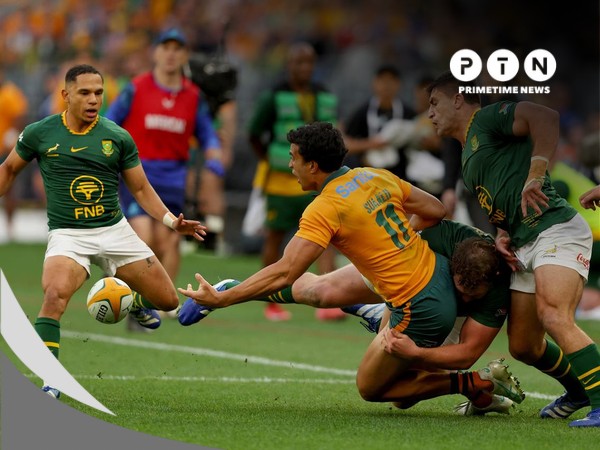
The rivalry between the Wallabies and the Springboks entered another memorable chapter on Sunday at Perth’s Optus Stadium, where Australia emerged victorious with a 42‑38 scoreline. The match was a roller‑coaster of momentum swings, brilliant attacking play and a flurry of cards that left both sides scrambling for discipline.
Early Momentum and the First Try
South Africa opened the scoring in the opening minutes when hooker Johan Grobbelaar powered over from a rolling maul, giving the Boks an early lead. However, the Wallabies responded with lightning speed. Within three minutes, centre Len Ikitau broke the line twice, showcasing his agility and footwork to put the hosts ahead. The early exchange set a frantic tempo that would define the rest of the game.
Half‑Time Balance and Australian Flair
Australia’s attacking flair continued as fly‑half Ben Donaldson dived over just before the break, neutralising a South African try by Edwill van der Merwe. The half‑time whistle blew with the scoreboard reading 24‑17 in favour of the Wallabies, a narrow margin that reflected the seesaw nature of the contest. Both coaches, Les Kiss for South Africa and Joe Schmidt for Australia, were already plotting adjustments for the second half.
Second‑Half Surge and Key Contributions
The post‑break period saw Australia widen the gap. Captain Harry Wilson powered over on the 59th minute, followed by winger Max Jorgensen who capped a dazzling move four minutes later, extending the lead to 38‑24. These scores highlighted Australia’s depth in the backline and their ability to finish set‑piece moves under pressure.
Disciplinary Chaos and the Boks’ Late Fightback
As the match entered its final quarter, the referee’s whistle became a frequent sound. A series of yellow cards reduced Australia to eleven men, creating a numerical advantage for South Africa. Seizing the opportunity, replacement scrum‑half Morne van den Berg darted over on the 73rd minute, narrowing the deficit. The Boks’ resilience was further demonstrated when Ox Nche crossed for his first international try in the 80th minute, bringing the score to 42‑38.
Despite the late surge, the Wallabies held on, their defensive structure tightening in the final minutes. The match concluded with Australia edging the Springboks by a single converted try, a result that will reverberate through the upcoming Rugby World Cup qualifying calendar.
Broader Context and What Lies Ahead
This encounter was more than a standalone fixture; it was a litmus test for both squads ahead of the 2027 Rugby World Cup, which South Africa will host. The Boks, under Les Kiss, have been rebuilding after a mixed 2024‑25 season, focusing on integrating younger talent like van den Berg while retaining seasoned forwards. Meanwhile, the Wallabies have been praised for their attacking versatility, a trait that will be crucial in the southern hemisphere’s intense competition.
For readers interested in a detailed breakdown of the match statistics and post‑game analysis, the Boks go down in Perth report offers an in‑depth look at the pivotal moments that shaped the outcome.
Human Stories Beyond the Pitch
While rugby dominated the headlines, the week also brought tragic news from overseas. Four American citizens were among the six victims of a devastating gas explosion in Athens, a reminder of how quickly life can change. More about that incident can be read in the Athens gas explosion tragedy, which highlighted the importance of safety protocols worldwide.
Back in Perth, the atmosphere remained electric as fans celebrated a hard‑fought win. The Wallabies’ victory not only boosts their confidence but also adds a compelling chapter to the storied rivalry with the Springboks, a narrative that will continue to evolve as both teams chase glory on the global stage.