South Africa’s Undertrained Police Force: A Ticking Time Bomb for Public Safety and Officer Well-Being
21 min read

Welcome back! Log in to keep reading without ads.
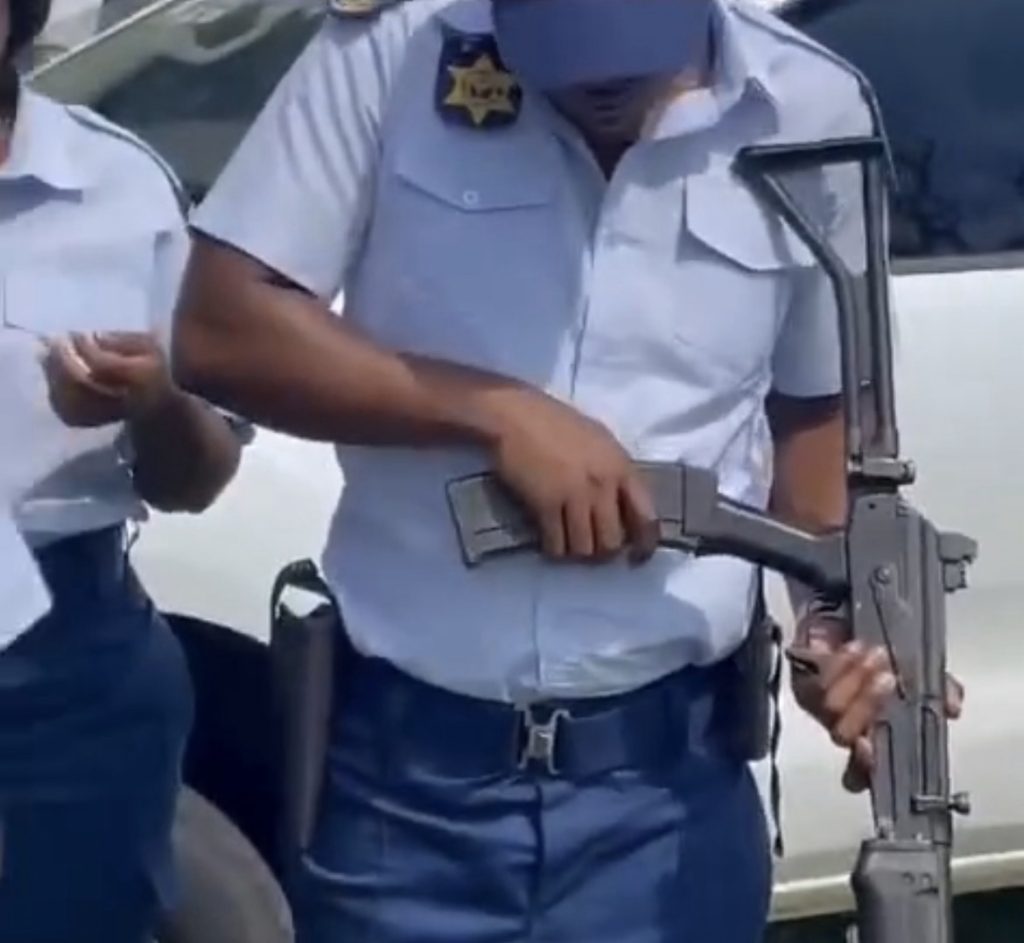
In a nation grappling with one of the world’s highest rates of violent crime, the South African Police Service (SAPS) stands as the primary line of defense for millions of citizens. Yet, persistent deficiencies in training for many officers have raised serious concerns among experts, parliamentarians, researchers, and the public. Decades of reports, academic studies, and official oversight highlight a systemic issue: inadequate preparation of recruits and serving members, compounded by severe shortages of qualified trainers, which undermines effective policing and amplifies risks to both communities and law enforcement personnel themselves.
The Scale of the Training Shortfall
The SAPS Basic Police Development Learning Programme (BPDLP), the entry-level training for new recruits, is structured as a 21- to 24-month program. This typically includes around 8-10 months at an academy followed by workplace exposure and further assessment. However, studies and parliamentary oversight have repeatedly flagged that the training provided is often basic, overly focused on paramilitary-style drill and physical aspects (historically accounting for a large portion of time), and insufficient in practical skills relevant to modern policing, such as de-escalation, use of non-lethal force, forensic awareness, weapon safety, and community engagement.
A major bottleneck is the chronic shortage of trainers. In 2023, SAPS faced a deficit of 683 trainers needed to properly instruct 10,000 recruits, with a combined shortfall of 358 trainers across training colleges reported to Parliament. Specific centers, like Philippi, operated with far fewer qualified staff than required for core areas including street survival, firearms, drill, and academics. Some trainers reportedly lacked full qualifications, and recruitment drives for new officers have been hampered by limited training capacity.
Parliament’s Portfolio Committee on Police has expressed grave concern that this deficit “will compromise the quality of training necessary to produce quality recruits that will hit the ground running in the fight against crime.” Historical backlogs have seen recruits working at stations for months or even years before formal training, a practice noted in analyses dating back decades.
Research, such as theses and papers from institutions like Cape Peninsula University of Technology and exploratory reviews in academic journals, consistently points to a lack of effective, quality training in SAPS procedures. This includes inadequate coverage of interviewing skills, legal approaches to restraining suspects under the Criminal Procedure Act, and handling complex scenarios involving mental health or protests. Traditional paramilitary approaches are said to foster a “warrior” mentality rather than problem-solving and rights-respecting professionalism.
Efforts to bolster numbers, such as Project 10,000 recruits in recent years, have been welcomed for addressing personnel shortages (with SAPS total personnel around 155,000-180,000 officers and civilians in recent figures), but experts warn that mass recruitment without sufficient training infrastructure risks flooding stations with underprepared constables.
Real-World Risks: Heightened Danger, Misconduct, and Erosion of Trust
The consequences of these training gaps are not abstract. They manifest in elevated risks across multiple dimensions.
Excessive Use of Force and Police Killings: Data from the Independent Police Investigative Directorate (IPID) reveals persistently high numbers of deaths resulting from police action. In one period, police killed someone approximately every 20 hours on average. Nationally, such deaths have risen significantly, reaching a record 670 in 2024/25 according to reports—a 72% increase over five years in some tracking. KwaZulu-Natal saw particularly sharp rises.
Analyses indicate that South African police kill civilians at rates notably higher per capita than in countries like the United States or Canada. Lethality indexes (killed vs. wounded) often exceed acceptable thresholds, with concerns over insufficient use of warnings, non-lethal alternatives, or proper assessment of threats. Incidents like the Marikana massacre (34 miners killed in 2012), the dragging death of Mido Macia, and shootings during protests underscore patterns linked to training and command deficiencies. Studies of use-of-force cases in Gauteng highlighted issues such as failure to issue verbal warnings in many instances and over-reliance on firearms.
Police Brutality, Torture, and Misconduct: IPID handles thousands of complaints annually, including assaults, torture, and deaths in custody. Over 5,000 cases were reported in one recent year, with convictions for serious offenses like murder, rape, and GBV among officers. Corruption, often tied to low education levels, poor pay, and inadequate training, further erodes standards. Surveys show widespread public perceptions of police engaging in criminal activities, excessive force, and corruption.
Academic work links poor training quality directly to negative performance impacts, opening pathways to misconduct. Without robust skills in de-escalation or ethical decision-making, officers may resort to unlawful force, damaging community relations and inviting litigation or backlash.
Risks to Officers Themselves: Undertrained personnel face heightened vulnerability. SAPS officers encounter extreme violence daily in a high-crime environment, with many murdered on or off duty. Inadequate preparation for real-world scenarios—such as proper firearm handling, tactical decision-making, or stress management—exacerbates trauma, burnout, and line-of-duty casualties. Stress studies and reports on officer safety highlight exposure to shootings, accidents, and community violence without sufficient support or refresher training.
Broader Societal Impacts: Ineffective policing due to training shortfalls contributes to low public trust, under-reporting of crimes (especially gender-based violence in some perceptions), and a cycle where communities take matters into their own hands or lose faith in the justice system. High violent crime rates persist partly because of slow response times, poor investigations (exacerbated by detective shortages), and failure to build community partnerships. Forensic and ballistics training gaps hinder solving firearm-related crimes, which dominate South Africa’s murder statistics.
Underlying Challenges and Calls for Reform
Contributing factors include budget pressures (much of SAPS spending on salaries amid automatic promotions), infrastructure issues at training colleges, high attrition of skilled personnel to the private sector, and historical legacies from apartheid-era policing. Mass promotions without performance links have strained resources, leading to fewer boots on the ground in some analyses despite recruitment drives.
Parliamentary committees have urged SAPS to recruit retired trainers, improve infrastructure, combat corruption in recruitment, and prioritize competency-based programs. Researchers advocate shifting from paramilitary dominance to modern, skills-oriented training incorporating problem-solving, communication, human rights, and technology. International best practices emphasize ongoing professional development rather than one-off basic courses.
A Path Forward?
While initiatives like re-enlistments and new intakes signal intent to strengthen capacity, experts emphasize that quantity without quality training will yield limited results. Comprehensive reforms—addressing trainer shortages, updating curricula for contemporary threats, enhancing oversight, and linking training to performance—are essential to mitigate risks.
Without urgent action, South Africa’s police will continue operating under strain, where underprepared officers face impossible odds, civilians endure preventable harm or injustice, and the social contract between the state and its people frays further. The human and societal costs, already evident in daily headlines and grim statistics, demand sustained attention and investment in professionalizing the force that is meant to protect and serve.
This situation underscores a fundamental truth: in high-stakes environments like South African policing, training is not a luxury—it is a critical safeguard for life, legality, and legitimacy.
WATCH: Four Killed, Eight Injured in Multi-Vehicle Crash on R555 Old Witbank Road Near Middelburg
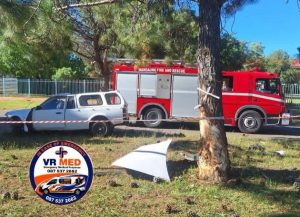
A serious multi-vehicle collision occurred on Monday afternoon, 6 July 2026, on the R555 (Old Witbank Road) between Middelburg and Emalahleni in Mpumalanga, South Africa. Emergency services responded to the scene beneath a railway bridge, where the crash involved a total of nine vehicles, including an articulated truck, four light delivery vehicles (LDVs), one SUV, and several other motor vehicles.
According to reports from the Mpumalanga Department of Community Safety, Security and Liaison, the articulated truck was traveling from Middelburg toward Emalahleni when it allegedly lost control. It collided with a vehicle ahead, triggering a chain-reaction pile-up. Several vehicles then impacted each other and crashed into steel that had spilled from the truck.
Early indications suggest the truck was carrying a large steel coil. On a downhill slope, the truck’s brakes reportedly failed, causing the heavy coil to roll forward from the load area. The coil entered oncoming traffic, crushing at least one vehicle almost completely and contributing significantly to the severity of the impacts under the confined space of the railway bridge. Motorists in that location had limited room to maneuver or escape.
Paramedics declared four people dead at the scene. Eight others sustained injuries: five with serious injuries and three with slight injuries. The injured were transported to hospitals in Middelburg and Emalahleni for treatment. Emergency teams, including fire brigade personnel from Middelburg and Emalahleni, worked to extract trapped survivors from the mangled vehicles. The death toll was confirmed at four as operations continued, though authorities noted it could potentially rise.
The R555 remained fully closed for several hours in both directions while rescue, recovery, and investigation efforts took place. Motorists were advised to use alternative routes. A fire associated with the crash affected nearby veld, producing thick smoke in the area. The steel coil remained in the roadway during initial response operations.
The R555, also known as the Old Witbank Road, serves as a key route connecting Middelburg and Emalahleni (formerly Witbank) in Mpumalanga. The area features downhill sections and infrastructure such as railway bridges, which have been sites of previous incidents. The road carries significant traffic, including heavy vehicles transporting industrial loads common to the region’s mining and manufacturing economy.
The route has a documented history of serious accidents. In one prior incident on the R555, a head-on collision between a taxi and a truck resulted in ten fatalities. Another event involved a multi-vehicle crash that claimed multiple lives, and separate cases on sections of the R555 have included fatal head-on collisions between buses and taxis. Local observers have noted recurring concerns about safety at specific points along the road, including the area near the railway bridge.
Mpumalanga province as a whole records substantial road crash figures. During one festive season period, the province saw hundreds of crashes resulting in over 170 fatalities, with major routes including sections of the R555 and nearby highways frequently affected. Nationally, South Africa experiences thousands of road deaths annually, with Mpumalanga contributing to provincial statistics that often highlight challenges with heavy vehicle control, speed, and road conditions on routes like the R555.
The cause of the 6 July 2026 crash is under investigation. No names of the deceased or injured have been released publicly at this stage. Authorities from the Mpumalanga Department of Community Safety, Security and Liaison, along with local traffic and emergency services, continue to manage the scene and gather evidence.
If the video below doesn’t work , manually input this link into your browser to join our WhatsApp Channel.
https://whatsapp.com/channel/0029VbBj2WiL2AU0zIKqFq45

This incident highlights ongoing safety considerations on the R555 route in the region. Recovery operations were expected to take several hours, with full clearance and reopening of the road following completion of all necessary work.
CCTV captured a burglary suspect shot dead by the homeowner after managing to gain entry into his home by kicking down the door.
Burglary at residential premises, often referred to as housebreaking in South African official terminology, is a property-related crime counted by the South African Police Service (SAPS) when entry is gained into a home without the presence of occupants and without confrontation involving violence or threats. It is distinct from robbery at residential premises (home invasion), which involves occupants present and the use or threat of force.
According to SAPS data for the financial year April 2025 to March 2026, 128,490 residential burglary cases were recorded nationally, representing an 8.2% decrease compared to the previous financial year. In the fourth quarter (January to March 2026), 32,386 cases were reported, down 8.7% year-on-year.
Provincial Distribution (April 2025–March 2026 SAPS Data)
- Gauteng: 25,961 cases (−11.7%)
- KwaZulu-Natal: 22,799 cases (−8.7%)
- Western Cape: 20,297 cases (−11.2%)
- Eastern Cape: 15,884 cases (−2.3%)
- North West: 10,190 cases (−1.8%)
- Limpopo: 9,888 cases (−11.2%)
- Free State: 9,629 cases (−0.9%)
- Mpumalanga: 8,685 cases (−14.9%)
- Northern Cape: 5,157 cases (+2.9%)
Gauteng, KwaZulu-Natal, and Western Cape consistently record the highest volumes of residential burglaries, aligning with their higher population densities and urban concentrations.
Trends from SAPS Recorded Crime
In earlier periods, such as the third quarter of 2025/2026, residential burglary figures showed quarterly decreases. For instance, one quarterly report indicated 35,754 cases in a comparable period with a −12.3% change. Property-related crimes as a category, which include residential and non-residential burglaries, theft of motor vehicles, theft from motor vehicles, and stock theft, have shown overall declines in recent quarters.
Historical context from prior years includes figures around 222,564 residential burglaries reported in 2023/24, equating to over 600 per day on average. SAPS counts each incident as one case regardless of the number of items stolen (e.g., multiple appliances in one burglary count as a single case).
Victim Survey Data from Statistics South Africa (Stats SA)
The Governance, Public Safety, and Justice Survey (GPSJS) provides a broader picture, including unreported incidents. In 2024/25, an estimated 1.5 million incidents of housebreaking occurred, affecting approximately 5.7% of households nationwide and around 1.1 million households. Housebreaking has consistently ranked as the most common crime experienced by households.
Male-headed households and those in KwaZulu-Natal were most affected. Reporting rates to police remain low: only about 43% of affected households reported housebreaking incidents in 2024/25, similar to the previous year. Earlier surveys (e.g., 2019/20) showed 2.3 million households affected over a five-year period, up from 2.1 million in 2015/16.
In 2022–23 data referenced in broader analyses, about 1.1 million households (5.7% of total) experienced a home break-in, with 51% reported to police. Most break-ins occurred outside major metropolitan areas.
Comparison with Related Crimes
Residential burglary far outnumbers home robberies (robbery at residential premises). For example, in 2023/24, SAPS recorded 20,281 house robberies (roughly 56 per day) alongside the higher burglary figures.
Burglary at non-residential premises also occurs but at lower volumes than residential cases. Quarterly SAPS data has shown declines in this category as well (e.g., −19.0% in one reported quarter).
Patterns and Additional Facts
Burglaries frequently occur when victims are away from home, often at night or early morning hours. They peak during periods like December holidays when households may be vacant.
Under-reporting is significant across victim surveys, meaning official SAPS figures represent only a portion of total incidents. Stats SA data indicates many households do not report due to various factors, including perceptions of police response.
Gauteng accounts for a substantial share of national property crimes, including burglaries (around 25% in some quarterly breakdowns). Western Cape has shown high per capita rates in some historical analyses when adjusted for population.
Detection and Broader Context
SAPS reports arrests related to burglary and theft within property crime operations. For instance, in one period, over 2,000 suspects were arrested for burglary and theft categories.
These statistics are compiled from reports at over 1,100 police stations and are aligned with efforts to meet international best practices through collaboration with Stats SA.
This compilation draws exclusively from SAPS recorded crime data and Stats SA victim surveys up to the latest available periods in 2025–2026. Figures are subject to quarterly and annual updates as released by official sources.
WATCH: Women brutally assaulted by drunk male highlighting ongoing GBV violence in our country.
July 6, 2026
A video circulating widely on social media platform X has once again thrust the issue of gender-based violence (GBV) into the national spotlight in South Africa, depicting a physical confrontation between a man and a woman in a public setting.
The approximately 30-second clip, shared by X user @StHonorable on July 5, 2026, shows a light-skinned woman with blonde hair, dressed in a pink tank top and black shorts, engaged in a heated verbal and physical altercation with a Black man wearing a blue t-shirt. The incident unfolds in an outdoor paved area near blue-painted buildings and structures, characteristic of many township or semi-urban environments across the country. Bystanders, including several other men in casual attire, are visible observing or moving in the vicinity.
In the footage, the man is seen pushing, grabbing, and striking the woman multiple times as she faces him, gestures animatedly, and attempts to respond physically. The woman raises her hands at points during the exchange, and the shaky, handheld camera captures the chaotic and tense atmosphere without providing full context or clear dialogue. The poster accompanied the video with the caption: “This cancerous disease called GBV will not stop anytime soon. As long as alcohol is the first love of the citizens of this country.” As of Monday evening, the post had accumulated thousands of views, reposts, and replies reflecting a mix of outrage, calls for accountability, and broader societal commentary.
Authorities have not yet issued a public statement confirming the precise location of the incident, the identities of the individuals involved, or whether a formal police investigation has been opened. South African Police Service (SAPS) protocols encourage members of the public to report such incidents promptly, and viral videos of this nature have previously prompted swift action in comparable cases.
This latest video emerges against the backdrop of South Africa’s persistent and deeply entrenched crisis of gender-based violence and femicide (GBVF), which remains one of the most pressing human rights and public health challenges facing the nation.
The Scale of GBV in South Africa: Key Facts and Statistics
South Africa has one of the highest rates of gender-based violence in the world, with femicide rates reported to be among the highest globally—approximately five times the global average in some studies. An average of around seven women are murdered daily in the country, with a significant proportion of these killings classified as intimate partner femicides.
National surveys show that approximately one in three women (33.1%, or roughly 7.3 million women aged 18 and older) have experienced physical violence in their lifetime. Additionally, 9.8% (about 2.1 million) have experienced sexual violence. When combining physical and/or sexual violence, over 35% of women are affected. Nearly one in four women (23.9%, or around 3.4 million) have experienced such violence from an intimate partner.
Emotional and psychological abuse is also widespread, with about one in four ever-partnered women reporting experiences of insults, intimidation, humiliation, or verbal threats. Men’s self-reported perpetration rates align closely, with over one in five men admitting to physical and/or sexual violence against partners.
Vulnerable groups face heightened risks. Women with disabilities report significantly higher rates of both physical and sexual violence. Young women aged 18–24, Black African women, employed women, cohabiting women, and those in urban, rural tribal, or farm areas show elevated prevalence. Intersectional factors—including race, class, disability, and geographic location—compound vulnerabilities rooted in historical inequalities from apartheid and ongoing socioeconomic challenges.
Crime statistics from SAPS further illustrate the crisis. In recent quarters, authorities have recorded hundreds of women murdered, thousands of attempted murders and assaults with grievous bodily harm, and over ten thousand rapes in single quarters. Broader annual figures consistently show tens of thousands of reported sexual offences, with experts noting that underreporting is rampant due to stigma, fear of retaliation, distrust in the justice system, and limited access to support services.
Femicide data from dedicated surveys reveal that while overall femicide rates have shown some fluctuation and periods of decline, intimate partner femicide remains stubbornly high at rates around 5.5 per 100,000 female population—nearly five times the global average for intimate partner/family-related homicide. Firearms are involved in a substantial portion of cases, and 60% or more of female murders are committed by current or former intimate partners. Provinces such as the Eastern Cape, KwaZulu-Natal, and Free State often record the highest rates.
Contributing Factors and Societal Context
Multiple interconnected factors drive GBV in South Africa. Patriarchal norms emphasizing male dominance, entitlement, and control over women’s bodies and decisions are frequently cited in research as foundational. These attitudes are reinforced by historical trauma from apartheid, which disrupted families, normalized violence as a tool of power, and left lasting intergenerational effects on social cohesion.
Alcohol abuse emerges as a major risk factor, with studies linking heavy drinking to increased perpetration and severity of violence. Other behavioral risks include multiple sexual partners, childhood exposure to abuse, bullying, and substance use. Poverty, inequality, unemployment, and overcrowded living conditions exacerbate tensions in relationships and communities.
Teenage pregnancy intersects with GBV, often linked to statutory rape, incest, or coercive early sexual experiences. In recent years, over 13% of registered births were to adolescents aged 10–19, contributing to school dropouts, economic dependence, and cycles of vulnerability.
Response Efforts and Challenges
The South African government has enacted robust legislation, including the National Strategic Plan on GBVF, dedicated Sexual Offences Courts, and policy frameworks. Initiatives focus on prevention, survivor support, economic empowerment, and justice system improvements. However, implementation gaps persist: low conviction rates, strained policing resources, lengthy court backlogs, and under-resourced shelters and counseling services limit effectiveness.
Civil society organizations, international partners, and community campaigns play vital roles in awareness-raising, data collection, and direct support. Regional forums highlight collaboration and evidence-based prevention strategies.
Despite these efforts, GBV remains a national crisis that demands sustained, multifaceted action addressing root causes—from cultural norms and economic inequality to alcohol regulation, education, and justice reform. Incidents like the one captured in the viral video serve as painful reminders that, for many South African women, violence is not an abstract statistic but a daily reality.
This article is based on publicly available video footage, social media posts, and data from national surveys and official sources. Investigations into specific incidents are ongoing, and official updates should be monitored through verified channels. For support related to GBV, contact national helplines or local organizations.
OTHER NEWS
Deerpark Farmer Pieter Buys Survives Brutal Panga Attack on Tzaneen Farm
Tzaneen, Limpopo – Well-known mango farmer Pieter Buys, a former chairman of the South African Mango Growers’ Association and professional hunter, sustained serious, life-threatening injuries in a panga attack on his farm in the Deerpark agricultural area outside Tzaneen on the morning of Friday, June 26, 2026.
Buys was switching off irrigation pumps on his property when he spotted an unknown man walking on the farm. He alerted two nearby employees on a quad bike and approached the intruder from one direction while his workers approached from another.
When confronted, the man claimed he was searching for cattle. Buys questioned this, pointing out that the farm is enclosed by game fencing, making it improbable for cattle to have entered. He did not recognize the name of the alleged owner provided by the man. Buys instructed the intruder to accompany him so that workers could escort him off the property.
As Buys turned upon hearing his employees approaching, the suspect suddenly produced a panga and struck him twice on the back of the head. Buys did not fall. When the attacker swung a third time toward his face, Buys grabbed the blade with both hands, seized the man by his clothing, and subdued him until his workers arrived to assist in restraining the suspect.
Buys was rushed to Tzaneen Mediclinic by his wife. Doctors stopped the bleeding and stitched his wounds. He described sustaining two large cuts that formed one extensive wound from the top of his head down into the middle of his neck. He lost a significant amount of blood, and medical staff took measures to prevent infection, with concerns that the panga may have been used previously in poaching activities.
Buys was discharged from the hospital and is recovering at home. He expressed hope for a full recovery and noted that there appeared to be no reason for the attack, as he believed the matter of trespassing had been resolved prior to the assault.
A suspect was arrested shortly after the incident. Police opened a case of assault with intent to cause grievous bodily harm. The suspect appeared in the Tzaneen Magistrate’s Court on Monday, June 29, 2026. Investigations by the South African Police Service are ongoing, and authorities have urged the public not to circulate unverified information while the legal process continues.
Agri Letaba CEO Naomi Excell condemned the attack, stating that violence and criminality have no place in the community. She called on the SAPS to bring those responsible to justice and encouraged farmers, farm workers, and rural residents to participate actively in local rural safety committees, Farm Watches, community policing forums, and other security structures. She emphasized the importance of information sharing and partnerships with law enforcement in preventing rural crime.
The incident has drawn attention to ongoing concerns about farm safety in the region. Buys is recognized locally as a prominent figure in the mango industry and agriculture in the Tzaneen area.
No further details about the suspect or the full circumstances have been released publicly as the matter proceeds through the courts.