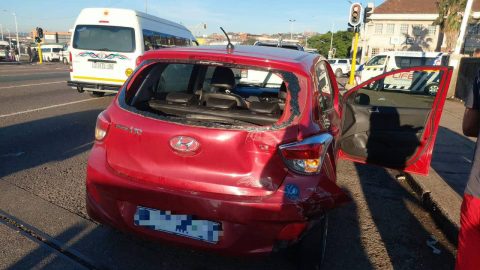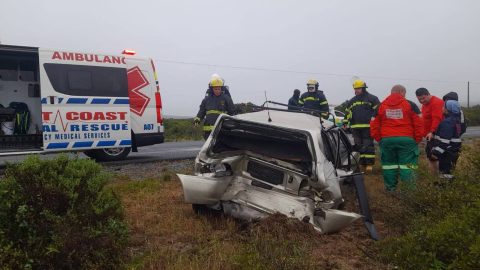


Every festive season, South Africa’s emergency services report a spike in incidents where vehicles overturn or roll over. While the images of a bus or truck lying on its side are dramatic, the underlying reasons are often far more mundane – speed, load, maintenance and driver decisions. To shed light on these factors, we spoke with Stan Bezuidenhout, a veteran forensic collision reconstructionist who specialises in commercial‑vehicle accidents. His insights reveal how vehicle rollover crashes can be dramatically reduced when drivers, fleet managers and regulators act on proven safety principles.
Understanding Rollover Mechanics
Rollover events fall into two broad categories: “tripped” and “untripped.” A tripped rollover occurs when an external object – a curb, a roadside barrier or a collision with another vehicle – forces a vehicle to tip. By contrast, an untripped rollover is generated by the vehicle’s own dynamics: excessive speed, abrupt steering inputs and insufficient tyre grip. In South Africa, the majority of commercial‑vehicle rollovers are untripped, stemming from driver‑controlled variables rather than an unavoidable obstacle.
Forensic investigators stress that the term “rollover” is a symptom, not a cause. A tyre blow‑out that leads to loss of control is technically a mechanical failure, while a driver who enters a curve too quickly is the root cause of the subsequent roll. This distinction matters because it directs the focus of prevention efforts toward the true antecedents.
Human Factors Behind Most Rollovers
Human error remains the dominant contributor to road crashes worldwide, and vehicle rollover crashes are no exception. Bezuidenhout notes that while the classic 85‑10‑5 split (human‑vehicle‑environment) is a useful rule of thumb, the human element in rollovers is often higher than that figure suggests. Decision‑making errors such as overtaking on a blind curve, neglecting to signal, or failing to adjust speed for road conditions directly set the stage for a loss of control.
In addition, poor judgement about vehicle loading can turn a routine trip into a stability nightmare. Overloading a minibus taxi or a tipper truck raises the centre of gravity, reducing the margin of safety on bends. The National Road Traffic Act stipulates maximum load limits, yet enforcement is uneven, especially on rural routes where commercial operators may be tempted to exceed legal limits for profit.
Vehicle Design and Maintenance Issues
Even the best driver can be undermined by a vehicle that is not fit for purpose. Key components that affect rollover propensity include:
- Tyres: Under‑inflated or worn tyres diminish grip, especially on wet surfaces. A sudden tyre failure can instantly destabilise a heavy vehicle.
- Suspension and shocks: Worn shock absorbers allow excessive body roll, making it harder to keep the vehicle upright during cornering.
- Wheel alignment: Misaligned wheels create a side‑bias that can pull the vehicle toward one direction, increasing the risk of a tripped rollover.
- Vehicle architecture: SUVs and high‑deck trucks have a higher centre of gravity than sedans, making them intrinsically more prone to tipping.
Regular maintenance schedules that include tyre pressure checks, suspension inspections and alignment services are therefore essential. In commercial fleets, a preventative maintenance programme can cut rollover incidents by up to 30 % according to a 2022 study by the South African Transport Safety Council.
Environmental Conditions That Heighten Risk
South Africa’s diverse climate adds another layer of complexity. Rain‑slicked roads, especially on the coastal belt, dramatically reduce tyre‑road friction. Strong cross‑winds in the Highveld can buffet tall vehicles, while fog and low‑light conditions impair a driver’s ability to judge distance and speed. Even road‑side hazards such as improperly erected roadblocks can surprise drivers and trigger abrupt manoeuvres that lead to rollovers.
Electronic Stability Control (ESC) systems, now mandatory on new passenger cars and many commercial vehicles, help counteract these environmental challenges by automatically applying brakes to individual wheels when a loss of traction is detected. However, older trucks and many minibus taxis remain without ESC, leaving them vulnerable.
Key Actions for Drivers and Fleet Managers
Drawing on his field experience, Bezuidenhout offers a concise checklist for anyone who wants to minimise the likelihood of a rollover:
- Control speed: A vehicle cannot roll over while stationary. Adjust speed well before entering a curve, and respect posted limits, especially when carrying heavy loads.
- Plan the route: Anticipate sharp bends, steep gradients and potential weather changes. Use GPS or traffic apps that flag hazardous sections.
- Secure loads: Follow the legal load limits, distribute weight evenly, and use proper restraints. An improperly secured load can shift suddenly, raising the centre of gravity.
- Maintain tyre health: Check pressure daily, replace tyres at the first sign of tread wear, and ensure the correct tyre type for the vehicle’s load class.
- Inspect suspension and steering: Regularly service shocks, struts and steering linkages. Any play or leakage should be addressed immediately.
- Invest in driver training: Modern driver‑training programmes teach techniques for handling momentary instability, such as counter‑steering and gradual braking on slippery surfaces.
For fleet owners, the return on investment is clear: safer drivers reduce downtime, insurance premiums fall, and the public perception of the brand improves. Moreover, compliance with the National Road Traffic Act and adherence to the Department of Transport’s Vehicle Maintenance Regulations can shield operators from costly legal penalties.
In summary, vehicle rollover crashes are rarely random events. They result from a chain of decisions – by drivers, mechanics and regulators – that can be broken with disciplined practice, regular vehicle checks and a proactive safety culture. By understanding the mechanics, respecting load limits, and adapting to environmental conditions, South African road users can keep the festive season joyful rather than tragic.