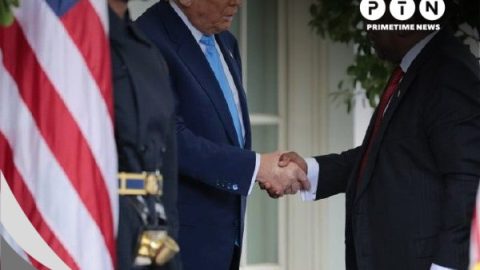


The uMkhonto weSizwe Party and the African Transformation Movement have moved swiftly to capitalise on the Constitutional Court’s recent ruling by advancing no-confidence motions against President Cyril Ramaphosa. These actions have further intensified the political heat surrounding the Phala Phala developments and placed additional strain on the National Assembly.
The MK Party has formally notified the Speaker of the National Assembly of its intention to table a motion of no confidence in the President. This notification follows the court’s decision to invalidate Parliament’s earlier handling of the independent panel report into the Phala Phala farm incident. Party leaders argue that the ruling confirms serious lapses in accountability and that Ramaphosa should face the full weight of parliamentary scrutiny.
In a parallel move, the African Transformation Movement has already tabled its own motion of no confidence. The ATM has positioned this step as a direct response to the Constitutional Court judgment, emphasising the need for Parliament to exercise its oversight role without delay. Both parties view these motions as essential mechanisms to test the President’s support in the House and to push for greater transparency in the ongoing Phala Phala matter.
The dual motions come at a time when the National Assembly must also comply with the court order to refer the Section 89 panel report to an impeachment committee. This creates a complex procedural environment where multiple accountability processes could run concurrently. Legal observers note that while a no-confidence motion requires a simple majority to pass and could lead to the President’s removal if successful, the impeachment process follows a different, more detailed path focused on constitutional violations.
Opposition parties have framed these initiatives as necessary steps to defend South Africa’s constitutional democracy and to ensure that no individual, regardless of position, escapes proper examination. They have called on other parties, including those within the Government of National Unity, to support the motions and demonstrate commitment to accountability.
The Speaker of the National Assembly now faces the task of managing these motions alongside the court-directed impeachment referral. Parliamentary rules require specific timelines and procedures for no-confidence debates, which could lead to dedicated sitting days in the coming weeks. How the ANC and its allies respond will be closely watched, as any vote on these motions could reveal the true strength of Ramaphosa’s support within the current coalition arrangements.
The Presidency has reiterated that President Ramaphosa respects the Constitutional Court’s judgment and remains focused on fulfilling his duties in accordance with the Constitution.
However, the combined pressure from the MK Party and ATM adds to the challenging political climate as Parliament navigates these unprecedented developments.
Political analysts suggest that the success or failure of these no-confidence motions will depend heavily on the positions taken by smaller parties and GNU partners. The coming parliamentary sessions are expected to be highly charged, with the Phala Phala ruling continuing to dominate proceedings and shape national political conversation throughout May 2026 and beyond.
MK Party and ATM Push No-Confidence Motions Against Ramaphosa After Phala Phala Court Ruling