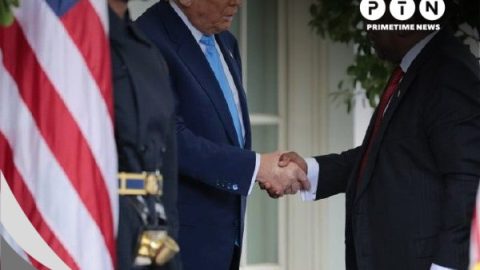


The recent fighting across the Middle East has prompted countless questions, and at the heart of these inquiries lies a simple yet crucial phrase: Middle East war motivations. Observers initially expected a clear‑cut objective such as regime change, yet the conflict evolved into a multi‑layered contest of influence, security concerns and economic interests. From the outset, the combatants framed their actions as defensive measures against perceived threats, while also signalling a desire to secure strategic footholds. This article examines the array of factors that shaped the hostilities, clarifying why the anticipated political turnover never materialised despite intense battlefield activity, which is central to understanding Middle East war motivations.
To understand the broader picture, one must first consider the historical backdrop of the region. Decades of unresolved territorial disputes, shifting alliances and external interventions have created a fragile equilibrium. When the latest round of violence erupted, it did so against a canvas already painted with competing narratives of sovereignty and survival. Local actors, ranging from established governments to non‑state militias, each pursued distinct agendas that intersected in unpredictable ways. The notion of a single, monolithic motive therefore oversimplifies a reality defined by overlapping goals, making it essential to delve into Middle East war motivations.
Middle East war motivations revealed through strategic calculations
Strategic calculations formed the core of the conflict’s driving forces. Nations bordering the combat zone sought to protect vital supply routes, particularly maritime corridors essential for oil and gas exports. Control over these arteries translates directly into economic leverage on the global stage. Moreover, the desire to curb rival influence—whether from neighbouring states or distant powers—prompted pre‑emptive actions aimed at reshaping the balance of power. These strategic imperatives often outweighed ideological ambitions, prompting actors to prioritise territorial gains over regime topple, a key aspect of Middle East war motivations.
Economic dimensions also played a pivotal role. The region’s wealth in hydrocarbons has long attracted foreign interest, and the recent hostilities threatened to disrupt production and transport. By asserting dominance over key installations, belligerents aimed to negotiate from a position of strength in any ensuing diplomatic talks. This economic motive intertwined with security concerns, as protecting resource flows became synonymous with preserving national stability, which is a critical component of Middle East war motivations. Consequently, the conflict was less about replacing leadership and more about safeguarding—and potentially reshaping—economic assets, reflecting the complexity of Middle East war motivations.
Security narratives further complicated the picture. Governments on all sides invoked the need to combat terrorism, insurgency and cross‑border raids as justification for military operations. While these concerns were genuine, they also provided a convenient pretext for broader power projection. By framing actions as counter‑terrorism, actors could rally domestic support and legitimize external assistance without directly acknowledging territorial ambitions. This dual‑use of security rhetoric contributed to the perception that regime change was a peripheral, rather than primary, aim, and is a vital aspect to consider when evaluating Middle East war motivations.
International dynamics added another layer of nuance. Major powers with vested interests in the region engaged in a delicate diplomatic dance, balancing support for allies with the risk of escalation. Diplomatic corridors remained open even as fighting intensified, reflecting a shared reluctance to see a vacuum of authority that could invite further instability. The presence of these external actors meant that any attempt at outright regime alteration would have invoked swift counter‑measures, dissuading locals from pursuing such a path, which is a key factor in understanding Middle East war motivations.
Domestic politics within the affected states also influenced the conflict’s trajectory. Leaders confronted with internal dissent found that a hardline stance against external aggression could rally nationalist sentiment and consolidate power. Conversely, opposition groups weighed the costs of aligning with foreign-backed attempts at regime change, fearing loss of legitimacy. This internal calculus reinforced a status quo where existing administrations, despite criticism, remained in place while the conflict raged around them, highlighting the intricacies of Middle East war motivations.
Media coverage and information warfare further obscured the true motives. Narratives circulating on international platforms often highlighted dramatic images of battlefield losses, suggesting a quest for regime overthrow. However, closer analysis of official statements and policy papers revealed a more pragmatic focus on securing strategic assets and preventing hostile encirclement. The divergence between sensational headlines and nuanced policy objectives underscores the importance of distinguishing surface-level reporting from deeper strategic assessment, particularly when examining Middle East war motivations.
Humanitarian considerations, while undeniably tragic, also intersected with the conflict’s objectives. The displacement of civilian populations created leverage for parties seeking to negotiate from a position of moral authority. By controlling aid corridors and humanitarian access, combatants could influence post‑conflict settlement terms. This tactic, though humanitarian in appearance, reinforced the broader strategic goal of shaping the political environment without necessarily toppling incumbent regimes, which is an essential aspect of Middle East war motivations.
Ultimately, the absence of a decisive regime change can be attributed to the convergence of these varied motivations. When strategic, economic, security and diplomatic factors align, they produce a conflict that is purposefully restrained in terms of political upheaval. The actors involved calculated that achieving their core objectives—such as securing resources, bolstering security and maintaining influence—required a measured approach that avoided the unpredictable outcomes of a full‑scale government collapse. This calculated restraint explains why, despite intense fighting, the expected political turnover never materialised, and is a key takeaway when considering Middle East war motivations.
Looking forward, the lessons drawn from this episode suggest that future Middle Eastern conflicts may continue to be driven by a complex web of motivations rather than singular, overtly political aims. Stakeholders, both regional and global, must therefore prepare for negotiations that address the underlying strategic interests, rather than focusing solely on regime legitimacy. Recognising the depth of the motivations behind the recent hostilities provides a clearer roadmap for diplomatic engagement, conflict resolution and long‑term stability in a region where the balance of power remains perpetually in flux, and is crucial for understanding Middle East war motivations.
Learn more about our newsroom on our About page.