Industrial Site Work Conditions and Safety Protocols in South Africa
12 min read

Welcome back! Log in to keep reading without ads.
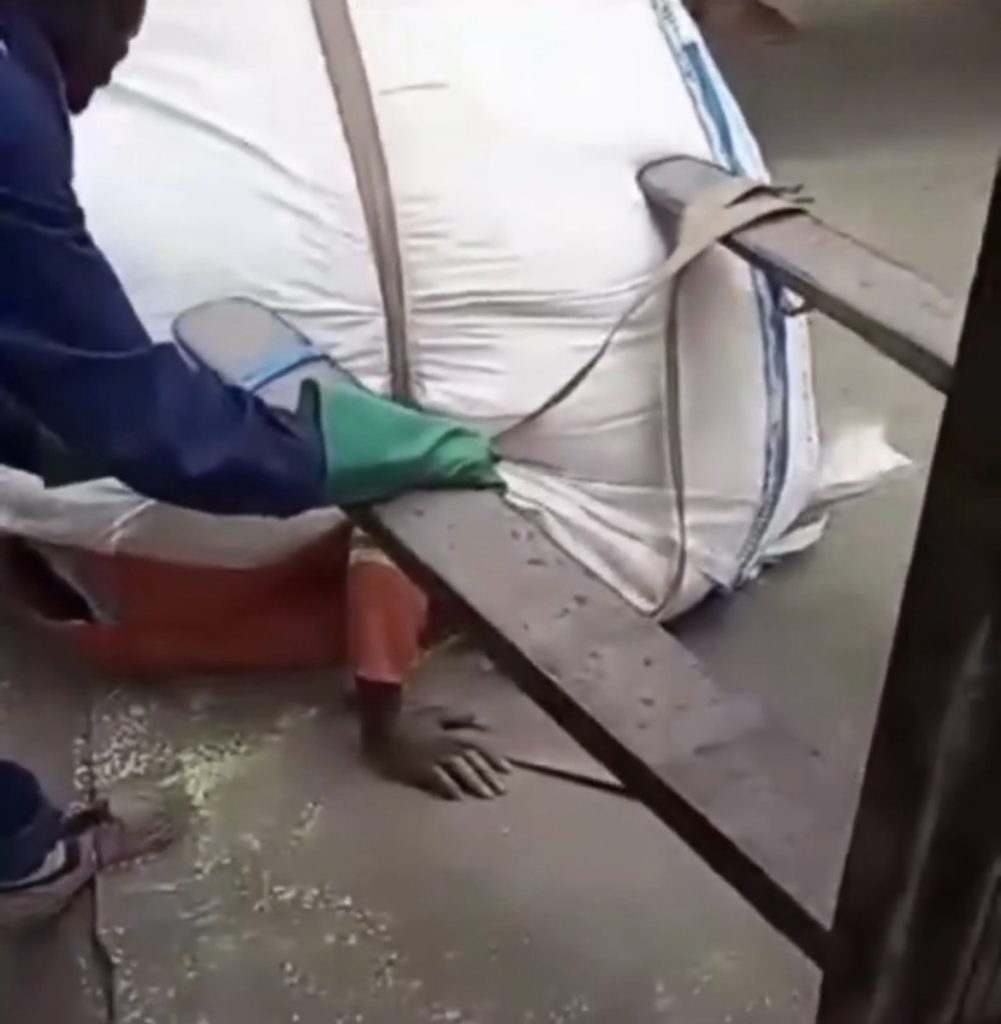
South Africa’s industrial, manufacturing, and logistics sectors operate under the framework of the Occupational Health and Safety Act (OHSA) of 1993, which places primary responsibility on employers to provide and maintain a safe working environment. The Act requires risk assessments, training, provision of personal protective equipment, and implementation of safe work procedures for hazardous tasks including materials handling with forklifts and elevated work. The Department of Employment and Labour enforces the legislation through inspections, investigations, and issuance of compliance notices or prohibitions. Between 2001 and 2019, South African general industry reported 3,852,071 occupational accidents for compensation consideration, of which 3,808,177 were injuries. Reported accidents peaked at 310,710 in 2013 and stood at 81,995 in 2019, reflecting fluctuations tied to employment levels in sectors such as manufacturing, construction, transport, and agriculture.
Manufacturing and warehousing facilities commonly feature high volumes of powered industrial trucks, including forklifts, for moving heavy or bulk materials. These environments often involve narrow aisles, shared pedestrian and vehicle pathways, elevated storage, and time pressures that contribute to incident risks. A study of injuries in a large South African paper mill recorded 341 injuries over a multi-year period, with an average annual injury incident rate of 17.0 per 100 employees. The highest rates occurred among artisans, assistant workers, supervisors, and short-tenure employees. Wounds and eye injuries predominated, linked to slips and poor manual handling practices. The mill observed a decline in the overall annual injury incident rate from 17.3 per 100 employees in 2000 to 9.2 in 2004 following safety interventions.
Forklift and materials handling incidents form a recurring category of serious accidents. Historical cases in Gauteng include a 25-year-old factory worker knocked down and crushed by a forklift in Elandsfontein in 2018, and a 26-year-old man critically injured after being crushed between a forklift and a truck in Kempton Park in 2019. In KwaZulu-Natal, a man in his thirties died in a forklift-related industrial accident in Queensburgh. These events typically involve unstable loads, proximity of pedestrians to operating equipment, or mechanical contact during loading/unloading.
Common contributing factors identified across documented incidents include inadequate securing of loads, operation of equipment on uneven or obstructed surfaces, lack of separation between vehicles and foot traffic, insufficient operator training or certification, and failure to use designated safety features such as seatbelts, horns, lights, or speed controls. Overturning accounts for a significant proportion of forklift accidents globally, while crushing between loads, vehicles, or fixed structures and being struck by falling materials represent frequent mechanisms of injury. In South African contexts, reports have also noted pressure on workers to perform tasks without full safety protocols, such as climbing onto unstable stacks instead of using mechanical alternatives or approved platforms.
Prevention measures stipulated under the OHSA and supporting guidelines emphasize several controls. Employers must ensure forklift operators receive accredited training and licensing, with regular refresher courses. Vehicles require daily pre-use inspections, maintenance records, and adherence to rated load capacities with proper attachment and securing of cargo. Physical separation strategies include designated pedestrian walkways, barriers, mirrors, warning signs, and spotters for high-risk maneuvers. Administrative controls encompass speed limits, traffic management plans, prohibition of unauthorized riding on equipment or loads, and working-at-heights training for any tasks above ground level. Personal protective equipment such as hard hats, high-visibility clothing, and safety harnesses where applicable forms a baseline requirement.
Regulatory enforcement data indicate that non-compliance with powered industrial truck standards results in citations. Broader occupational health statistics show declines in some injury rates following targeted interventions, as observed in the paper mill case where focused safety efforts reduced incident frequency. However, challenges persist due to the scale of informal or subcontracted labor in some industrial areas, variable enforcement resources, and economic pressures that can prioritize output over safety.
Compensation systems through the Compensation Fund process reported occupational injuries and diseases, with manufacturing remaining a high-volume sector. Fatalities and serious injuries trigger mandatory investigations, which frequently identify failures in hazard identification, inadequate supervision, or lack of emergency response readiness as systemic issues. Recommended preventive hierarchies prioritize engineering solutions—such as automated handling systems or improved racking—over reliance on behavioral controls.
South African industrial sites continue to record reportable incidents despite the established legal framework. Data from compensation claims and sector-specific studies demonstrate that consistent application of risk assessments, training verification, equipment maintenance, and traffic segregation can substantially lower the frequency and severity of materials handling accidents.
Official reporting channels and labour inspections provide mechanisms for ongoing improvement, with unions and safety representatives playing roles in workplace committees mandated by the OHSA.
WATCH: Distracted Driver Collides with Wildebeests in South African Road Incident Captured on Dashcam
On July 12, 2026, footage from a vehicle dashcam surfaced showing a driver colliding with multiple wildebeests after appearing to divert attention to a cellphone while operating the vehicle. The incident occurred on an unnamed road in South Africa, where a group of the animals suddenly crossed the roadway.
The video depicts the driver’s vehicle traveling forward when the wildebeests enter the path abruptly. According to descriptions of the footage, the driver looks up from the device only moments before impact, applies brakes, but is unable to avoid striking several animals. The collision highlights the rapid onset of hazards in areas where wildlife may cross roads unexpectedly.
Wildebeests, also known as gnus, are large antelopes native to parts of Africa, often moving in herds. In South Africa, they inhabit regions including national parks, reserves, and adjacent rural or semi-rural roads, where vehicle-wildlife encounters pose risks to both motorists and animals. Such crossings can occur without warning, particularly in transitional zones between natural habitats and roadways.
This event underscores broader patterns of road incidents linked to driver distraction. South African road safety data and reports consistently identify cellphone use as a significant factor in collisions, as it diverts visual, manual, and cognitive attention from the driving task. Even brief glances away from the road—typically a matter of seconds—can reduce reaction time sufficiently to make avoidance maneuvers ineffective, especially at speed or in the presence of sudden obstacles.
In this case, the driver’s apparent focus on the cellphone coincided with the animals’ crossing, leaving insufficient time to stop or swerve completely. The footage serves as direct evidence of the sequence: distraction followed by hazard detection, braking, and impact. No specific details have been released regarding the extent of vehicle damage, injuries to the driver or occupants, or the fate of the affected animals, as reports focus primarily on the visual record and its implications for driver behavior.
South Africa’s road network traverses diverse environments, from urban highways to rural routes passing near wildlife areas. Common hazards include not only wild animals but also livestock, pedestrians, broken-down vehicles, and sudden traffic changes. Professional drivers, including those in the trucking sector, face these conditions regularly, where maintaining constant vigilance is critical for safety.
Previous similar incidents documented via dashcam in South Africa have involved heavy vehicles and distractions leading to crashes with other traffic. One referenced case showed a truck driver dividing attention between the road and a phone, resulting in a collision with another truck. These recordings repeatedly demonstrate that attempts to multitask while driving compromise the ability to respond to dynamic road conditions.
Road safety organizations and industry observers emphasize that no notification, message, or call justifies the risk. Legal frameworks in South Africa prohibit handheld cellphone use while driving, with enforcement aimed at reducing distraction-related crashes. However, compliance relies heavily on individual driver responsibility.
Recommendations for all road users include:
- Keeping both hands on the wheel and eyes on the road at all times.
- Using hands-free systems only when necessary and pulling over safely for extended interactions.
- Increasing caution in wildlife-prone areas, reducing speed where signage indicates animal crossings, and scanning ahead for movement.
- Ensuring vehicles are equipped with functional safety features, including dashcams, which can provide objective records for incident analysis and insurance purposes.
Dashcam technology has become an important tool in documenting road events in South Africa, offering unedited perspectives that aid in understanding causation and promoting accountability. In this instance, the recording captures the critical seconds where attention lapsed, directly linking distraction to the outcome.
The circulation of such footage contributes to ongoing public awareness campaigns about distracted driving. Transport industry stakeholders, including trucking associations, continue to advocate for stricter adherence to safe driving practices, particularly among commercial operators who log extensive hours on the road.
While the full circumstances surrounding this specific collision—such as the precise road, vehicle type beyond it being a standard motor vehicle, speed, or post-incident response—remain limited in available reports, the visual evidence aligns with established risks of inattention. Wildlife collisions can result in significant vehicle repair costs, potential human injuries, and animal welfare concerns, reinforcing the need for undivided attention.
As South African roads see continued traffic growth, incidents like this serve as timely reminders. Drivers are urged to treat cellphone use as a stationary activity only. The consequences of divided attention extend beyond property damage, potentially affecting lives, livelihoods, and the animals sharing the environment.
This article is based solely on publicly reported details from the dashcam footage and associated coverage as of July 12, 2026. No additional unverified information has been included.
OTHER NEWS
Foiled Cash-in-Transit Heist in Sebokeng’s Zone 7 Highlights Security Vigilance
Sebokeng, Gauteng – A planned cash-in-transit (CIT) robbery was thwarted on Saturday afternoon, 11 July 2026, in Zone 7, Sebokeng, thanks to the quick response of alert security personnel.
According to reports from the scene, armed suspects attempted to target a cash-in-transit vehicle in the area. Security officers on duty detected the threat and intervened effectively, preventing the robbers from accessing any funds or causing significant harm. No cash was reported stolen, and initial indications suggest no serious injuries resulted from the incident.
Video footage from the location shows multiple armored CIT vehicles positioned near what appears to be a service station or commercial area, with uniformed security personnel actively securing the site. Officers are visible around the vehicles, which display standard CIT markings, as law enforcement and private security teams manage the aftermath. Debris is visible on the ground, consistent with a disrupted operation.
Authorities, including South African Police Service (SAPS) members, responded promptly to the scene. Motorists were advised to avoid the area to allow emergency and investigative teams to operate without obstruction. A multi-agency presence was noted, reflecting standard protocols for CIT incidents in high-risk regions like the Vaal Triangle.
Sebokeng and surrounding areas in Gauteng have experienced a pattern of CIT-related crimes in recent years, often involving coordinated groups using vehicles to ram or block armored transports, followed by attempts to breach cash compartments with firearms or explosives. This incident stands out as a successful prevention, underscoring the role of proactive security measures and intelligence in countering such threats.
Investigations are underway to identify the suspects involved and determine if they are linked to broader criminal networks active in the region. Police have not yet released details on arrests, vehicle descriptions beyond general observations from the scene, or the exact amount of cash the targeted vehicle was carrying. Updates are expected as forensic and witness evidence is processed.
The foiling of the heist comes amid ongoing efforts by law enforcement and private security firms to enhance protections for CIT operations. Industry stakeholders continue to emphasize vehicle tracking, armed response teams, and real-time monitoring as key deterrents. Community members in Sebokeng expressed relief that the attempt was neutralized quickly, minimizing disruption to daily activities in the residential and commercial zones.
This event serves as a reminder of the persistent challenges posed by organized crime targeting financial logistics in South Africa. SAPS and partners are likely to intensify patrols and intelligence gathering in the Vaal area following the Saturday incident. Further details on the outcome of the investigation, including any charges or suspect profiles, will be released by official channels in due course.
Residents and road users are encouraged to remain vigilant and report any suspicious activity to authorities. No additional disruptions to major routes were reported beyond the immediate Zone 7 vicinity.
Mass Shooting in Wesbank, Malmesbury Claims Two Lives, Injures Eight Others
Wesbank, Malmesbury – Police in the Western Cape are investigating a shooting incident that left two people dead and eight others injured in the early hours of Sunday, 12 July 2026.
According to the South African Police Service (SAPS), officers responded to a complaint at approximately 04:40 in Godetia Street, Wesbank. On arrival, they discovered the bodies of a 22-year-old man and a 21-year-old woman, both of whom had sustained fatal gunshot wounds and were declared dead at the scene.
Six adults and one infant were among those injured in the incident. The victims were transported to hospital for medical treatment. Reports indicate that the infant, a one-year-old child, was shot in the face.
SAPS detectives are probing two counts of murder and seven counts of attempted murder. The motive for the shooting has not been publicly confirmed, and no arrests have been announced at this stage. Authorities have appealed for information from the public.
Wesbank, an area in the Malmesbury region near Cape Town, has seen previous incidents of gun violence often linked to gang activity, though police have not yet attributed this specific event to any particular cause. The broader Western Cape continues to grapple with elevated levels of firearm-related crime.
Emergency services, including paramedics, attended the scene promptly, and a large police presence remained in the area during the initial investigation. Residents have been advised to avoid the vicinity while forensic and detective work continues.
Anyone with information that could assist the investigation is urged to contact Crime Stop on 08600 10111 or use the MySAPS App for anonymous submissions.
This incident marks another tragic episode of gun violence in the region, highlighting ongoing challenges with armed crime affecting communities, including vulnerable individuals such as young children. Investigations remain active, and further details are expected as they become available.
- Two Suspects Fatally Wounded As Police Foil Suspected CIT Robbery Near Brits

- 34-YEAR-OLD MAN BEATEN BY COMMUNITY AFTER ALLEGEDLY STEALING UNDERWEAR FROM WASHING LINE IN KZN

- TENSIONS REMAIN HIGH AT SOUTH AFRICAN VOTING STATIONS AS POLITICAL PARTY RIVALRIES RAISE CONCERNS

- VIDEO RAISES QUESTIONS OVER ELECTION MATERIALS AS SOUTH AFRICA FACES SCRUTINY OVER ELECTORAL INTEGRITY

- Grade 7 Learner Dies After Rolling Down Hill at Emerald Resort in Vanderbijlpark