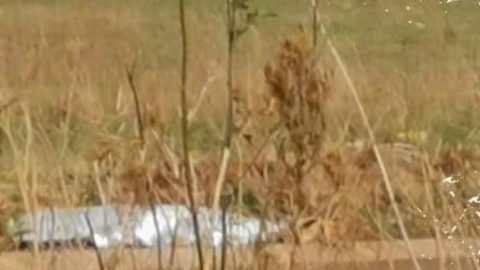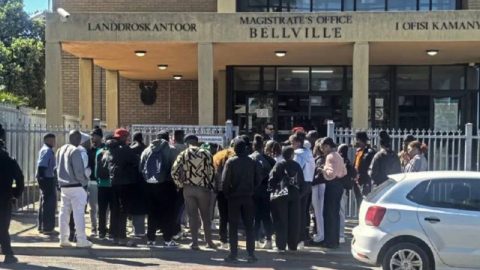

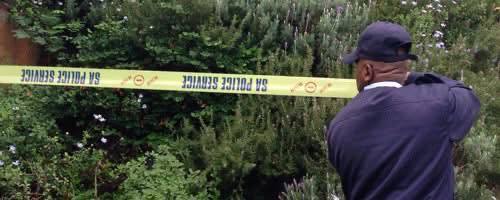
Police in the Ekurhuleni municipality have uncovered the body of another woman in Dawn Park, marking the ninth fatality linked to a series of mysterious deaths that have plagued the area over the past two months. The discovery, made on Thursday morning, adds urgency to an investigation that has already drawn national attention.
Details of the latest find
The victim was located on the side of the road, half‑naked and wrapped in a sheet. Authorities have not released a name, but they confirmed that the woman is believed to be an adult, possibly in her thirties or forties. Forensic teams are now working to establish her identity through DNA analysis and missing‑person reports, while also piecing together the circumstances that led to her death.
Pattern of violence against women in Ekurhuleni
Since early July, eight other women have been found dead across the municipality, many of them discovered in secluded spots or near busy thoroughfares. The most recent high‑profile case involved 38‑year‑old jogger Elizabeth “Tsontso” Moselakgomo, who vanished while out for an afternoon run and whose body was recovered on 12 September. Moselakgomo’s case sparked widespread outrage, prompting community groups to demand faster police action and better safety measures for women exercising outdoors.
Human‑rights organisations have warned that the string of murders reflects a broader crisis of gender‑based violence in South Africa. According to the latest statistics from Statistics South Africa, femicide rates have risen by 12 % in the last year, with the Gauteng province—where Ekurhuleni is situated—recording some of the highest numbers of reported cases.
Police response and investigative strategy
The South African Police Service (SAPS) has assembled a multidisciplinary task force to tackle the case, drawing on detectives, forensic specialists, and psychologists. The team’s mandate is to identify any possible links between the victims, such as common acquaintances, similar locations, or shared patterns of movement. In a recent press briefing, a senior officer emphasized that the investigation is being treated as a serial‑crime scenario, despite the lack of definitive forensic connections at this stage.
Authorities are also reviewing CCTV footage from nearby streets and public transport hubs. The municipality has been criticized for its handling of public safety, especially after a series of incidents involving crime, vandalism and antisocial behaviour that have disrupted commuters across public transport modes. For a closer look at those challenges, see the recent coverage on disruptions from crime and vandalism that affect daily travel.
Community reaction and calls for action
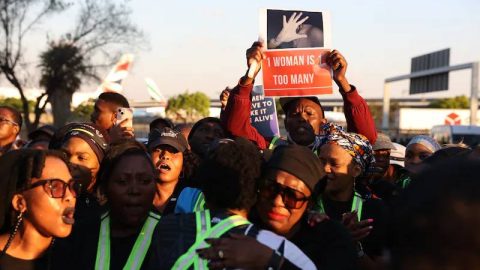
Local residents have taken to social media, using hashtags such as #EkurhuleniSafety and #FindHer to keep the conversation alive. Community leaders are organising candlelight vigils in Dawn Park and surrounding neighborhoods, demanding that municipal officials allocate more resources to street lighting, patrols, and emergency call boxes.
Women’s rights groups, including the National Women’s Forum, have urged the national government to accelerate the implementation of the National Strategic Plan on Gender‑Based Violence. They argue that the current response is reactive rather than preventative, and that more robust data‑sharing between police precincts could help identify patterns earlier.
What the public needs to know
While the investigation is ongoing, the police have issued safety advice for residents: travel in groups when possible, avoid poorly lit areas after dark, and report any suspicious activity immediately. They also encourage anyone with information—no matter how trivial it may seem—to contact the SAPS hotline or use the Crime Stoppers app.
For those seeking additional details about the ninth victim’s discovery, the ENCA news report provides an up‑to‑date account of the scene and the police’s initial statements.
The series of deaths in Ekurhuleni continues to raise unsettling questions about the safety of women in public spaces. As the multidisciplinary team delves deeper into forensic evidence and community testimonies, South Africans hope that the tragic pattern will be broken and that justice will be served for the victims and their families.