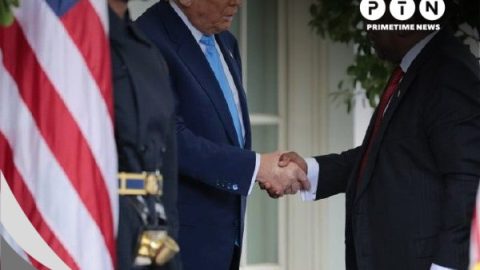


In a dramatic turn of events the DA executive reshuffle was announced by party leader Geordin Hill-Lewis (the DA executive reshuffle) after an escalating foot‑and‑mouth disease crisis exposed weaknesses in the party’s agricultural oversight. Hill-Lewis addressed President Cyril Ramaphosa with a request for a massive reorganisation that would see John Steenhuisen stripped of his agricultural portfolio. Analysts say the move reflects growing frustration within the DA over the handling of the outbreak, which has threatened livestock and rural economies across the country. The decision marks a rare public reprimand of a senior DA figure and underscores the party’s determination to regain credibility before the next general election.
Implications of the DA executive reshuffle for governance
The proposed changes are expected to ripple through the party’s internal structures as well as its public policy agenda. By removing Steenhuisen from the agricultural brief the DA signals a desire to distance itself from the missteps that allowed the foot‑and‑mouth disease to spread unchecked. Critics of the former minister argue that his strategies lacked both scientific input and effective communication with farming communities, contributing to the perception of a bungled response. The reshuffle also opens the door for a fresh face to take charge of a portfolio that is central to the nation’s food security and rural development. The DA executive reshuffle is also being closely monitored by industry stakeholders.
Strategic calculations behind the DA executive reshuffle
Political observers note that the timing of the reshuffle during the DA executive reshuffle aligns with the DA’s broader strategy to re‑brand ahead of the looming electoral contests. Hill-Lewis has positioned himself as a reformer willing to make tough decisions, and the removal of a high‑profile figure like Steenhuisen is designed to demonstrate decisive leadership. Inside the party, there is speculation that the vacancy will be filled by a younger member with a background in veterinary science or agricultural economics, aiming to restore confidence among key stakeholder groups. The reshuffle also serves as a signal to the opposition that the DA is capable of self‑correction, a message that could resonate with swing voters who have grown wary of perceived complacency.
In the wake of the DA executive reshuffle, beyond immediate political calculations the DA executive reshuffle raises questions about the future of South Africa’s agricultural policy. The department that oversees livestock health, disease prevention, and market access will now operate under new leadership, potentially reshaping the government’s approach to disease surveillance and farmer support. Stakeholders have called for a more collaborative framework that includes scientists, industry bodies, and provincial authorities to ensure that any future outbreak is managed with transparency and speed. The shift could also influence the allocation of resources, as a re‑energised portfolio may attract greater funding for research and emergency response mechanisms.
Public reaction to the DA executive reshuffle has been mixed. Some constituents view the move as a necessary correction, praising Hill-Lewis for confronting internal failings head‑on. Others argue that the change is merely cosmetic, warning that without systemic reforms the underlying issues that led to the foot‑and‑mouth disease bungle will persist. Civil society organizations have urged the DA to accompany the personnel changes with a clear policy roadmap, emphasizing that effective disease control requires not only competent leadership but also robust institutional capacity.
Looking ahead the DA executive reshuffle could set a precedent for how South African political parties address internal crises. By publicly acknowledging a misstep and taking swift action, the DA may be establishing a new norm of accountability that could influence opposition parties and even the governing coalition. Whether the reshuffle translates into tangible improvements in agricultural outcomes remains to be seen, but the episode underscores the intertwined nature of party politics, public health, and economic stability in South Africa’s democratic landscape.
Learn more about our newsroom on our About page.