Child Drowning in Joostenberg Vlakte Sparks Safety Call
4 min read

Welcome back! Log in to keep reading without ads.
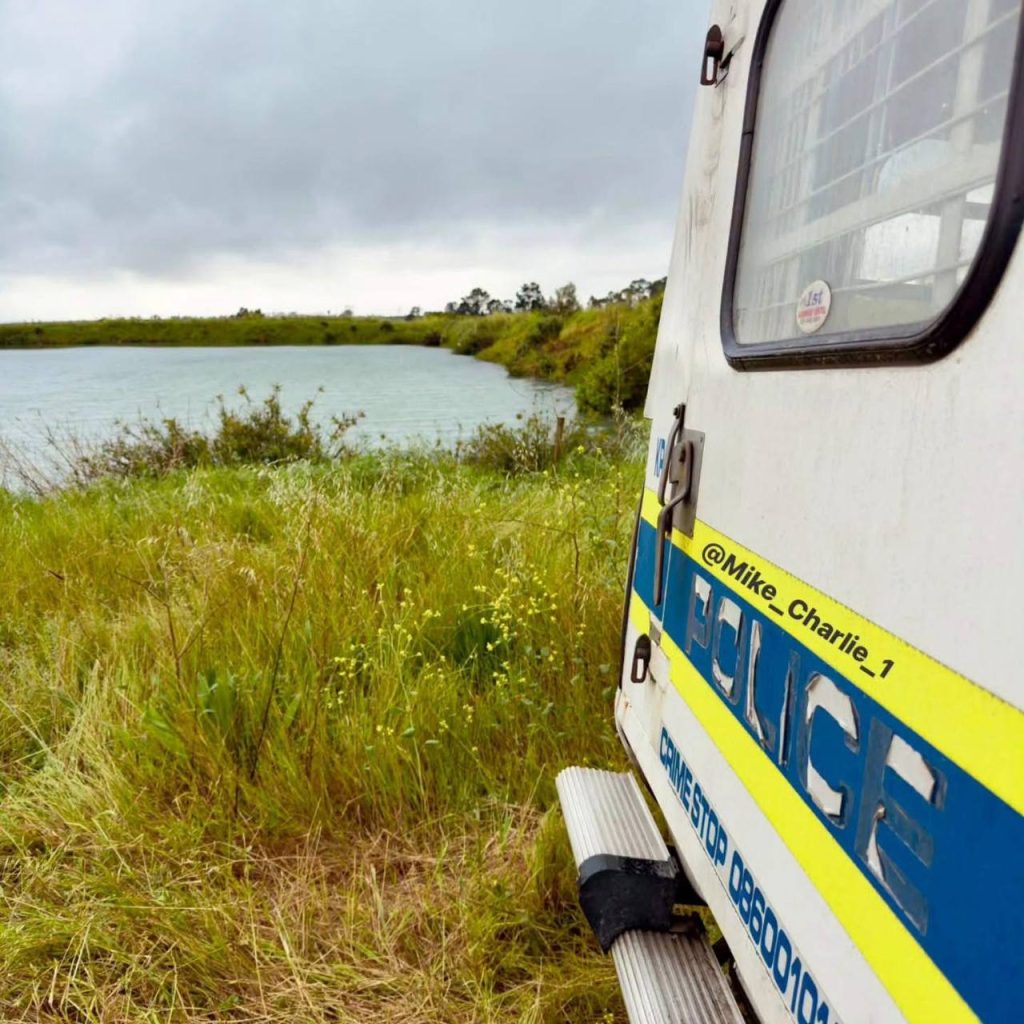
On a quiet afternoon along Waarburgh Road in the Joostenberg Vlakte area, a heartbreaking incident unfolded when a young child slipped into a concealed water hazard and drowned. The loss of the child, identified only as Mike Charlie, has sent shockwaves through the local community and reignited a national conversation about water safety, especially in rural and semi‑urban settings.
What happened on Waarburgh Road?
According to eyewitness accounts, the child was playing near a drainage ditch that runs parallel to the road. The ditch, which is part of an old irrigation system, had become filled with stagnant water after recent rains. When the child approached the edge, the muddy banks gave way, pulling the youngster under. Bystanders attempted a rescue, but the depth and murky conditions hampered their efforts. Emergency services arrived within minutes, but the child was pronounced dead at the scene.
Location and infrastructure challenges
Joostenberg Vlakte, situated in the Eastern Cape’s Sarah Baartman District, is characterised by a patchwork of farming plots, informal settlements, and aging water‑management infrastructure. Many of the drainage channels that criss‑cross the area were constructed decades ago and have not been upgraded to modern safety standards. In several places, the channels are uncovered, lack proper signage, and are surrounded by vegetation that obscures the water’s edge.
Local authorities have long struggled with limited budgets for maintenance, and the region’s frequent seasonal rains exacerbate the risk of sudden water level rises. The incident on Waarburgh Road is a stark reminder that even seemingly harmless water bodies can become lethal, particularly for children who are naturally curious and less aware of hidden dangers.
Drowning statistics in South Africa
Drowning remains one of the leading causes of accidental death among South African children. The South African Medical Research Council estimates that between 2015 and 2020, over 2,000 children under the age of 14 died from drowning each year. Rural areas, where formal swimming lessons are scarce and water bodies are often unguarded, account for a disproportionate share of these fatalities.
Contributing factors include limited public awareness of water safety, inadequate supervision, and the prevalence of unprotected ponds, dams, and irrigation channels. In many cases, families lack access to affordable life‑jacket programs or community‑run swimming instruction, leaving children vulnerable.
Official response and investigation
Following the tragedy, the Sarah Baartman District Municipality released a statement expressing condolences to the family and pledging a thorough investigation. The Department of Rural Development and Land Reform (DRDLR) has been tasked with reviewing the design and maintenance records of the drainage system along Waarburgh Road.
Preliminary findings suggest that the ditch does not meet the National Building Regulations and Building Standards Act’s requirements for safety barriers. The municipality has therefore ordered an immediate risk assessment and the installation of warning signs and temporary fencing while a permanent solution is devised.
In addition, the South African Police Service (SAPS) opened a case of accidental death, which will help determine whether any negligence contributed to the incident. The outcome could influence future policy on the inspection of water hazards in public and semi‑public spaces.
Preventative measures and community action
Experts stress that preventing similar tragedies requires a multi‑layered approach:
- Education: Schools and community centres should incorporate water‑safety curricula that teach children how to recognise hazards and respond safely.
- Supervision: Parents and caregivers need to maintain vigilant oversight, especially near open water, even if the area appears shallow.
- Infrastructure upgrades: Municipalities must prioritise the installation of barriers, clear signage, and regular maintenance of drainage systems.
- Access to life‑jackets: Local NGOs, such as the Water Safety South Africa (WSSA), can distribute affordable flotation devices to families in high‑risk zones.
- Community watch programs: Residents can organise neighbourhood patrols that alert authorities to unsafe conditions, especially after heavy rains.
In Joostenberg Vlakte, a grassroots group called “Safe Waters Joostenberg” has already begun mobilising volunteers to map hazardous water points and lobby the municipality for quicker remedial action. Their initiative mirrors similar efforts in the Western Cape, where community‑driven safety audits have led to the removal of over 30 unguarded ponds in the past two years.
Looking ahead
The loss of Mike Charlie is a painful reminder that water safety must be a priority across South Africa, not just in coastal resorts or major cities. While the investigation into the Waarburgh Road incident proceeds, the community’s response offers a hopeful blueprint: combine official oversight with local activism, education, and practical safety tools.
For families living in areas with similar drainage networks, the message is clear—recognise the hidden dangers, ensure children are never left unattended near water, and advocate for safer infrastructure. By turning grief into action, Joostenberg Vlakte can help prevent another child’s life from being cut short by a preventable drowning.