
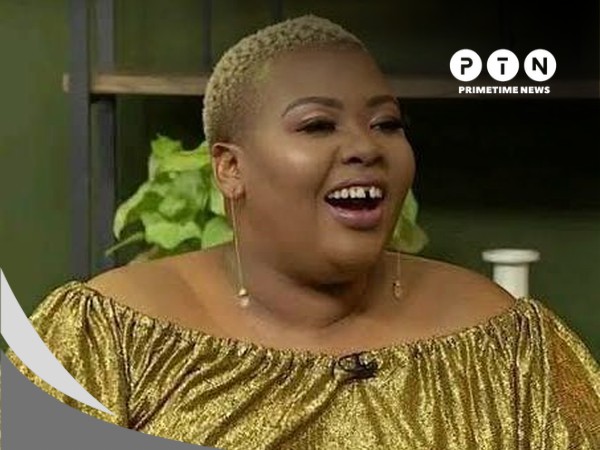
South African radio presenter Anele Mdoda has taken a firm stand against a growing online campaign urging listeners to boycott 947. The backlash began after Mdoda called for Springbok captain André Esterhuizen to be banned from rugby due to a resurfaced 2012 racial abuse allegation.
What sparked the controversy?
In 2012, Esterhuizen was involved in an incident where he allegedly used a derogatory term towards a teammate of colour. The matter was settled internally, but the details remained largely hidden from the public. When the Springboks announced Esterhuizen as captain earlier this year, the old story resurfaced, prompting Mdoda to demand accountability and suggest that the player face a playing ban.
Mdoda’s comments were made on her popular morning show on 947, a station with a wide national audience. Within hours, a segment of listeners launched a #Boycott947 campaign on X (formerly Twitter), arguing that the presenter had overstepped her role as a broadcaster and was attempting to police sport.
Mdoda’s response to the online trolls
On 26 September 2026, Mdoda replied directly to a user who demanded she be “removed from broadcasting and relocated to Russia”. She wrote: “You need to be very careful with the media storm you are calling towards Andre here. It won’t end well cause he did use that word.” The message was a clear warning to those she felt were weaponising the debate for personal gain.
Her reply was not just defensive; it reinforced her original position that accountability in sport matters, regardless of a player’s status. By invoking the phrase “it won’t end well”, Mdoda hinted at the potential reputational damage for the Springboks if the issue is not addressed transparently.
Public reaction and the #Boycott947 movement
The reaction on X was split. Supporters praised Mdoda for using her platform to highlight racism in South African sport, while detractors accused her of selective outrage and of targeting a popular national hero. Some users pointed out that other players with similar pasts have not faced the same level of scrutiny, raising questions about consistency in public discourse.
Despite the criticism, the boycott campaign has continued to gain momentum, with trending hashtags and coordinated calls for listeners to switch stations. The debate has also reignited broader conversations about how South African media should handle historic misconduct and whether past incidents should influence current leadership roles.
Broader context: Rugby, racism and media responsibility
South Africa’s rugby history is intertwined with the nation’s struggle against apartheid. The sport has made strides in transformation, yet incidents of racial abuse still surface, reminding the public that the journey is ongoing. Rassie Erasmus, the Springboks’ director of rugby, has previously pledged a culture of openness, but the Esterhuizen case has put that promise under the microscope.
Media personalities like Mdoda occupy a delicate space: they can amplify important social issues, but they also risk being perceived as overreaching. The 947 boycott reflects a tension between freedom of expression and audience expectations of impartiality.
What’s next for Mdoda and 947?
While the station has not issued an official statement, the ongoing online pressure may force advertisers to reconsider their placements. In the meantime, Mdoda continues to engage with her audience, shifting the conversation to other rugby moments, such as the recent #InimbaMzansi discussion involving the Mabandla family, to demonstrate the breadth of her coverage.
For those interested in other South African stories making headlines, the recent revelation of Cape Town underground tunnels offers a glimpse into how infrastructure and protest intersect in the country.
As the debate unfolds, Mdoda’s stance may either cement her reputation as a fearless commentator or deepen the divide among listeners. What remains clear is that the conversation around accountability, race, and media influence in South Africa is far from settled.