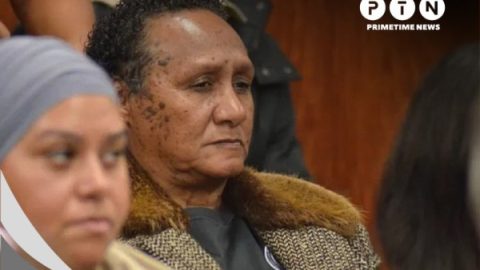


Amahle Jaxa, a well‑known South African current‑affairs commentator, announced she will pause her video output after a wave of death threats targeting her online presence, the Amahle Jaxa death threats, which she described as breaching her sense of safety. The creator, who built a substantial following by delivering sharp analyses of politics and society, said the hostile messages had escalated to a level that breached her sense of safety. In a statement posted on her primary platform, she explained that the decision to step back was driven by concerns for personal security and the well‑being of her family. The announcement also clarified that she will no longer produce subjective opinion‑based videos, marking a significant shift in her content strategy.
Amahle Jaxa death threats spark debate over online safety for commentators
The rise of digital harassment has become a focal point in South Africa’s media landscape, with several high‑profile figures reporting similar incidents. The Amahle Jaxa death threats have highlighted how the anonymity offered by social media can embolden hostile actors, leading to an environment where critics and journalists feel increasingly vulnerable. In the case of Amahle Jaxa, the threats were reportedly conveyed through multiple platforms, prompting her to reassess the sustainability of her current approach. The decision to cease opinion‑driven material reflects a broader trend among content creators who are seeking to mitigate risk while maintaining a public voice.
While the exact number of threatening messages was not disclosed, sources close to the commentator indicated that the volume and intensity of the harassment were unprecedented in her career. Observers note that the shift away from opinion‑laden content may also be an attempt to comply with platform policies that increasingly penalise hate‑filled discourse. By focusing on factual reporting, she hopes to reduce the provocation that often fuels backlash while still contributing to public dialogue. The Amahle Jaxa death threats underscore the personal toll such campaigns can take on creators.
Industry analysts suggest that this development could have ripple effects across the digital media sector. Many commentators rely on personal branding that intertwines their viewpoints with their public persona, a model now under scrutiny due to safety concerns. The move by Amahle Jaxa to step back after receiving death threats may inspire peers to reconsider the balance between editorial freedom and personal security, especially as regulatory bodies contemplate stricter guidelines on online harassment. Legal experts highlight that South Africa’s Protection from Harassment Act offers avenues for victims to seek redress, but enforcement remains uneven. In the context of online abuse, proving intent and securing evidence can be challenging, leaving many victims to navigate a complex legal landscape. The Amahle Jaxa death threats illustrate these challenges and underscore the necessity for clearer legislative frameworks that protect digital speech without stifling legitimate debate.
Community reactions have been mixed, with supporters expressing solidarity and urging platforms to take stronger action against abusers. Critics, however, argue that self‑censorship may undermine the robustness of public discourse. Nevertheless, the primary concern remains the safety of individuals who expose themselves to public scrutiny. The decision to halt subjective videos after receiving death threats highlights the personal toll that sustained online intimidation can exact. In response to the Amahle Jaxa death threats, several advocacy groups have called for coordinated efforts between civil society, tech companies, and law enforcement to combat digital harassment.
They stress the importance of educational campaigns that promote respectful online interaction and the development of reporting mechanisms that are both swift and effective. The case of the commentator illustrates how a single incident can catalyse broader discussions about internet governance and user protection. From a historical perspective, the Amahle Jaxa death threats add another layer to the ongoing narrative about the responsibilities of platforms to safeguard their users.
Looking ahead, the commentator’s future content strategy is likely to emphasize verified facts, data‑driven analysis, and a tone that minimizes provocation. While this approach may satisfy certain audience segments, it also risks alienating viewers who value the commentator’s candid perspective. The balance between providing insightful commentary and ensuring personal safety is a delicate one, and her upcoming decisions will be closely watched by peers and observers alike. Stakeholders in the digital ecosystem are urged to reflect on the implications of the Amahle Jaxa death threats.
Content creators, platform operators, and policymakers must collaborate to create environments where robust debate can thrive without exposing individuals to threats of violence. The situation surrounding the commentator underscores the urgency of establishing protective measures that are both proactive and responsive. As the story unfolds, the broader public will continue to monitor how media figures navigate the intersection of free expression and personal security. The commentator’s announcement that she will cease opinion‑based videos after receiving death threats serves as a reminder of the real‑world consequences that can accompany online discourse. Whether this leads to a more cautious media climate or sparks renewed calls for stronger protective legislation remains to be seen.
In conclusion, the pause taken by the commentator following the Amahle Jaxa death threats highlights the complex challenges facing contemporary digital journalists. It also raises questions about the sustainability of opinion‑centric content in an environment where harassment can quickly become life‑threatening. The ongoing dialogue among stakeholders will determine the future shape of South Africa’s media landscape, with the hope that safety and free speech can coexist.
This report draws on original coverage by The Citizen. Learn more about our newsroom on our About page.