
In South Africa, violence has morphed into an unwelcome, yet pervasive, form of communication. It is spoken in households, classrooms, workplaces and public spaces, shaping relationships and dictating daily behaviour. This silent, brutal language has become so ingrained that many citizens hear it as background noise, only noticing its impact when a high‑profile tragedy forces national attention.
Staggering Crime Figures Reveal a National Emergency
The latest first‑quarter figures released by the South African Police Service paint a bleak picture. Between April and June, 5,427 murders were recorded – roughly 60 killings every day. When the data are examined through a gender lens, the horror deepens: 569 women were murdered, meaning an average of six women lost their lives each day. Over a thousand attempted murders survived, underscoring the pervasive threat that hangs over many South Africans.
Sexual violence remains a crisis of its own. Out of 9,201 reported rapes, women and children accounted for 8,814 victims. The Soul City Institute’s research indicates that nearly half (47.2%) of all rapes occur within the victim’s own home, turning what should be a sanctuary into a site of terror.
Everyday Spaces Have Turned Hostile
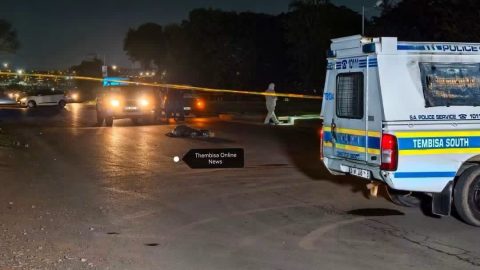
When a jogger like Elizabeth “Tsontso” Moselakgomo disappears on a routine run, it is a stark reminder that even seemingly safe environments are no longer guaranteed. The same applies to post offices, public parks and commuter routes that now require heightened vigilance. The tragic discovery of bodies along the R21, including the tragic case of Gracious Nkomo, illustrates how danger can strike in any corner of the city.
These incidents are not isolated; they reflect a broader cultural shift where aggression is normalized. Young people, for instance, have been caught on video throwing water at strangers and escalating to physical confrontations when challenged. Such behaviour mirrors the toxic dynamics observed in many South African classrooms, where boys mimic the violence they see at home or in the media.
Why Violence Has Become South Africa’s Unofficial 13th Language
Experts argue that violence has become South Africa’s unofficial 13th language because it is spoken fluently by all sectors of society. Decades of apartheid, economic inequality and systemic neglect have eroded social cohesion, allowing aggression to fill the communication vacuum. When dialogue fails, intimidation and force become default tools for resolving conflict, reinforcing a cycle that perpetuates fear.
The erosion of common moral values accelerates this trend. Domestic spaces, once considered safe havens, now witness a disproportionate share of gender‑based crimes. The normalization of harsh discipline within families, coupled with media portrayals that glorify hyper‑masculinity, feeds a narrative where violence is seen as an acceptable response to frustration or perceived disrespect.
What Must Change: From Rhetoric to Action
Addressing this crisis requires more than condemnation from political leaders. The Presidency’s departments responsible for women, youth and persons with disabilities need to allocate urgent resources to the security cluster, fund community‑level prevention workshops, and ensure that existing policies are enforced without exception.
Men must take a leading role in reshaping the narrative. While individual responsibility for each crime is limited, men collectively represent the gender most often implicated in gender‑based violence. Public statements from senior government officials and corporate executives that acknowledge this reality can help shift cultural expectations and encourage respectful behaviour.
Grassroots interventions are equally vital. Schools should implement mentorship programmes that teach boys empathy, conflict resolution and respect for consent. Religious and civic organisations—churches, mosques, community clubs and taverns—must become spaces of moral accountability, offering safe reporting channels and support for survivors.
Building Safer Communities for Women and Children
The ultimate question remains: where can a woman walk, run or simply exist without fear? The answer lies in a coordinated, multi‑layered strategy that blends law enforcement, social services, education and community mobilisation. Immediate steps include increasing visible policing in high‑risk areas, installing well‑lit street infrastructure, and deploying rapid‑response units for domestic‑violence calls.
Long‑term solutions demand a cultural overhaul. Media campaigns that challenge toxic gender norms, legislative reforms that tighten penalties for gender‑based crimes, and economic policies that reduce inequality can collectively diminish the conditions that nurture violence.
South Africa cannot afford to let violence remain the status quo. When citizens live in constant fear, productivity drops, investment retreats and the nation’s potential remains unfulfilled. By confronting the unofficial 13th language head‑on—through policy, education and community empowerment—the country can rewrite its story from one of bloodshed to one of resilience and safety.