
Tongaat Hulett tells sugarcane growers to halt deliveries
3 min read

Welcome back! Log in to keep reading without ads.
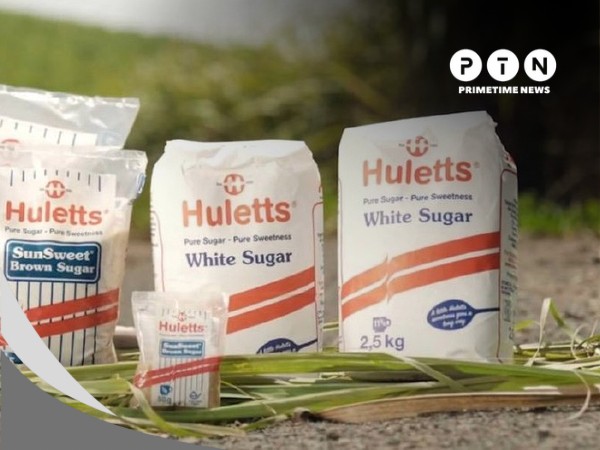
South Africa’s long‑standing sugar producer Tongaat Hulett has issued a formal notice to its network of growers, instructing them to stop delivering sugarcane to its processing mills. The directive, which takes effect on Wednesday, follows the collapse of a much‑anticipated R350 million bridging finance facility from the Industrial Development Corporation (IDC).
Why the delivery halt matters
The cessation of cane deliveries strikes at the heart of Tongaat Hulett’s remaining operations. The company had been counting on the IDC funding to meet urgent financial obligations, most notably the payments owed to sugarcane growers for the harvest already harvested. Without the bridge loan, the firm can no longer guarantee when—or even if—the promised funds will arrive.
Failed financing and its immediate impact
According to Tongaat Hulett, the R350 million bridge loan was approved in principle but remained subject to a series of conditions, including a clear repayment plan for the IDC. Those conditions have not been satisfied, and the finance package has not materialised. CEO Gavin Dalgleish said the company “can no longer guarantee when or whether the funding will become available.”
Prior to the funding shortfall, Tongaat Hulett had indicated that approximately R500 million would be paid to growers in November, with additional payments slated for December. Those commitments are now uncertain, leaving many growers facing cash‑flow pressures during a critical planting season.
Business rescue status and the Vision Group sale
Tongaat Hulett has been under business rescue since October 2022, a legal process that allows a financially distressed company to restructure its affairs under court supervision. Throughout the rescue, the firm has pursued a sale of its South African sugar assets to the Vision Group, a transaction that remains in negotiation despite the recent financing setback.
The company’s leadership says the planned wind‑down will focus on protecting the safety of employees, growers and contractors, while securing the mills, equipment and existing sugar stocks. This approach mirrors standard rescue protocols that prioritize health and asset preservation when a turnaround appears unlikely.
Broader implications for the sugar sector
The halt in cane deliveries could have ripple effects across the national sugar value chain. Growers who rely on Tongaat Hulett’s mills for processing may need to seek alternative outlets, potentially at higher transportation costs or with reduced bargaining power. Moreover, the uncertainty surrounding payments may affect planting decisions for the upcoming season, influencing overall sugar output in the country.
Industry observers note that the failure of the IDC bridge loan underscores the challenges of securing state‑backed financing for distressed agribusinesses. While the IDC has a mandate to support strategic sectors, the stringent conditions attached to large loans can delay or derail rescue attempts, as seen in this case.
What comes next?
With the financing gap widening, Tongaat Hulett’s board will need to explore alternative sources of capital or accelerate the sale to Vision Group. In the meantime, the company has pledged to manage the wind‑down responsibly, ensuring that equipment and sugar stocks are safeguarded and that employee redundancies, if any, are handled in line with labour regulations.
Stakeholders are watching closely, as the outcome will shape the future of South Africa’s sugar industry. For a broader look at how high‑profile legal outcomes can affect corporate trajectories, see the recent Ramaphosa Phala Phala Victory: Court Sets Aside Report.
For further details on Tongaat Hulett’s instruction to growers, refer to the full report by EWN Tongaat Hulett instructs sugarcane growers to stop delivering cane to its mills.