
South Africa’s Water Tanker Crisis: The Profitable Cycle of Shortages and Private Deliveries
5 min read

Welcome back! Log in to keep reading without ads.
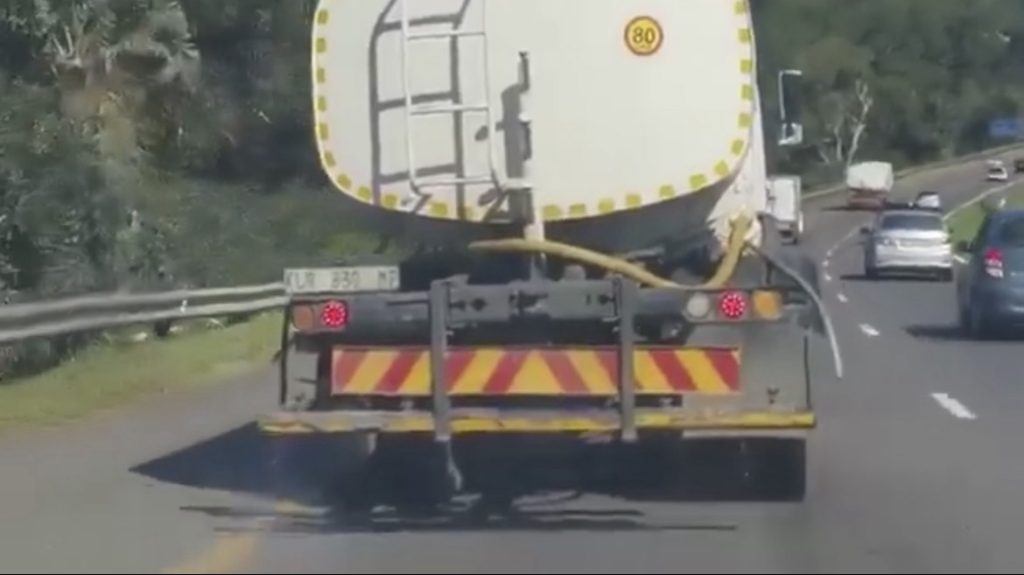
In multiple provinces across South Africa, municipalities facing chronic water infrastructure failures have increasingly relied on private water tanker operators to deliver water to affected communities. National spending on these services reached approximately R2.32 billion in the 2023/24 financial year. This figure reflects a broader trend where emergency water delivery has become a recurring and costly measure rather than a short-term solution.
Municipalities in Gauteng, including the City of Tshwane and the City of Johannesburg, have recorded some of the highest expenditures. Tshwane’s spending on water tankers escalated to around R777 million in the 2024/25 financial year amid ongoing outages. Johannesburg Water reported spending nearly R130 million on tanker services in a recent period, primarily servicing informal settlements and areas with emergency shortages. From 2018 to 2023, Gauteng municipalities collectively spent an estimated R2.3 billion on private tanker contracts.
Water tanker contracts are typically awarded through municipal tenders for the transportation and delivery of bulk water to reservoirs, communal standpipes, or directly to residents in areas where piped supply has failed. Operators are generally compensated based on trips completed, volume delivered, or fixed contract values. A single tanker can carry between 5,000 and 28,000 litres depending on vehicle size. Delivery costs via tankers have been documented at significantly higher rates than standard municipal piped water tariffs — sometimes cited in public comparisons as around 10 cents per litre for tanker delivery versus 1 cent per litre for normal supply.
Investigations and reports have highlighted systemic issues in how these services operate. Municipal officials and oversight bodies, including the South African Human Rights Commission, have noted patterns where reliance on tankers coincides with delays in infrastructure repairs. In some cases, officials have documented instances of infrastructure being tampered with shortly after repairs, leading to renewed shortages and extended need for tanker services.
In provinces such as KwaZulu-Natal and Limpopo, similar dynamics have been reported. In eThekwini, private tankers supplement infrequent municipal deliveries, with some operators allegedly selling water directly to residents at rates up to 15 times the official municipal tariff in areas with limited access. A tanker with a 28,000-litre capacity has been estimated in certain high-demand scenarios to generate substantial revenue over short periods when municipal supply is absent.
The Auditor-General and other oversight bodies have raised concerns about procurement processes, including the awarding of tenders to entities with questionable capacity or experience. One documented Johannesburg tender valued at R263 million for water tanker services was declared invalid by the Gauteng High Court due to irregularities, yet operations under related arrangements reportedly continued amid the crisis. In other instances, contracts have gone to relatively new or under-resourced operators, including cases involving young directors with limited prior industry footprint.
Public expenditure on tankers has been contrasted with broader water loss statistics. Non-revenue water losses — through leaks, theft, and poor maintenance — remain high in many systems, often exceeding 40% in major metros. Failed national initiatives, such as the 2015 “War on Leaks” programme, which cost around $165 million with roughly 20% of expenditure later flagged as irregular, have not resolved underlying infrastructure vulnerabilities, sustaining demand for alternative delivery methods.
Communities in areas like Hammanskraal in Tshwane have experienced prolonged dependence on tankers following events such as the 2023 cholera outbreak linked to water quality issues. Over a year later, thousands of residents continued to rely on delivered water. Reports from residents and officials describe cases where tanker drivers have been observed engaging in questionable activities near reservoirs or hydrants.
The South African Police Service and the Special Investigating Unit have initiated actions targeting irregularities in water-related procurement. In one Eastern Cape case, nine individuals were arrested in connection with an alleged R75 million irregular tender for water tankers and related vehicles, where vehicles were reportedly misrepresented and significant funds lost. Municipalities have also faced internal probes into disputed invoices, such as Tshwane’s review of over R120 million in tanker-related claims.
The South African Human Rights Commission has conducted inquiries into Gauteng’s water challenges, highlighting complaints about service delivery failures, ageing infrastructure, and the growing role of outsourced tanker services. Experts and researchers have pointed out that the tanker model, while addressing immediate shortages, can create disincentives for long-term pipe repairs and maintenance, as sustained demand benefits service providers.
Some municipalities, including Tshwane, have announced efforts to insource tanker operations by procuring their own fleets to reduce costs and external dependencies. However, the overall national picture shows continued heavy reliance on private operators amid persistent challenges in water treatment plants, distribution networks, and bulk supply augmentation projects like the Lesotho Highlands Water Project phases.
Water experts have emphasised that South Africa’s water challenges stem from a combination of population growth, urbanisation, climate variability, and decades of underinvestment in maintenance. The shift to tanker deliveries has filled critical gaps but at escalating fiscal cost, with billions redirected from potential infrastructure upgrades. Oversight bodies continue to monitor procurement, billing accuracy, and service quality to ensure public funds deliver measurable water security to residents.
This situation remains under active scrutiny by anti-corruption forums, parliamentary oversight, and civil society organisations tracking water sector governance. Accurate delivery volumes, water quality testing at distribution points, and transparent tender processes are key areas cited for improvement to break the cycle of repeated shortages and expensive emergency responses.