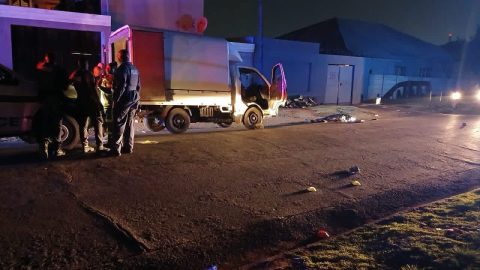


Vehicle hijackings remain one of South Africa’s most pressing crime challenges, with South African Police Service (SAPS) data consistently recording thousands of incidents each quarter despite modest year-on-year declines in some periods. These crimes, often executed with violence or the threat of violence, affect motorists nationwide and fuel a sophisticated network of organised criminal syndicates.
According to SAPS crime statistics for the fourth quarter of 2025 (October to December), authorities recorded 4,420 carjackings nationwide, equating to an average of approximately 48 hijackings per day. This represented an 8.1% decrease from the same period the previous year. Earlier quarters in 2025 showed similar patterns, with one three-month period logging between 4,533 and 4,778 incidents — roughly 50 vehicles hijacked daily.
Gauteng province accounts for the lion’s share of incidents, recording more hijackings than all other provinces combined in multiple reporting periods. KwaZulu-Natal and the Western Cape follow as significant contributors, while hotspots within Gauteng include areas such as Midrand, Honeydew, and Roodepoort. The Eastern Cape has shown a notably high ratio of hijackings to thefts.
Targeted Vehicles and Shifting Tactics
Criminals show clear preferences in vehicle selection. In the first quarter of 2025 (January to March), sedans, hatchbacks, and coupes accounted for 44.4% of hijackings, followed by bakkies and panel vans at 33.1%. SUVs and station wagons made up a smaller but still notable share. Popular models frequently targeted include the Toyota Hilux, Volkswagen Polo Vivo, Toyota Fortuner, Ford Ranger, and Hyundai H100, prized for their durability, resale value, parts demand, and appeal in cross-border markets.
Business and delivery vehicles face elevated risks. Business-owned vehicles are 48% more likely to be targeted than privately owned ones. The growth of e-commerce has driven a surge in attacks on last-mile delivery bikes, vans, and trucks, with fake orders used to lure drivers. Truck and trailer hijackings saw some declines in 2025–2026 due to improved fleet security, but cargo theft remains a major concern for logistics operators.
Hijacking patterns have evolved. Peak activity has shifted to Tuesdays between 16:00 and 21:00 in some periods. Incidents commonly occur in townships, residential areas, and during evening commutes. Criminals employ tactics such as staging fake accidents or injuries, placing road spikes or debris, impersonating police with blue lights, or approaching drivers at traffic lights and driveways.
Scale, Underreporting, and Impacts
Official SAPS figures likely understate the full extent of the problem. A significant portion of incidents — estimates range from 20% to over 23% — go unreported. Broader surveys indicate that hundreds of thousands of South Africans have experienced hijacking or related vehicle crime in recent years, with public perception of risk remaining high even as some reported numbers dip.
Hijackings differ from thefts because they provide immediate access to the vehicle, bypassing modern immobilisers and tracking systems. Syndicates dismantle vehicles for parts sold locally or export stolen cars intact across borders. The economic toll runs into billions of rand annually in direct losses, increased insurance premiums, and heightened security costs for businesses.
Victims often face not only material loss but also physical violence and long-term psychological trauma, including elevated risks of post-traumatic stress, anxiety, and fear that extend beyond the immediate incident.
Law Enforcement and Prevention Context
SAPS data shows some success in specific areas, such as reductions in truck hijackings through targeted operations and collaboration with private security. National vehicle recovery rates have improved modestly to around 65% in recent data, aided by tracking technology. However, persistent high volumes — historically reaching 22,000+ carjackings annually in some years — underscore the challenges of addressing root drivers including organised crime, unemployment, and cross-border syndicates.
Motorists are advised by tracking firms and insurers to maintain situational awareness, avoid predictable routines, install reliable tracking and immobilisation systems, and report suspicious activity promptly. Common recommendations include not stopping for apparent accidents in isolated areas and using tracked convoy or escort services for high-value commercial transport where feasible.
South Africa’s hijacking crisis continues to evolve with criminal adaptability, even amid periodic statistical improvements. It remains a daily reality for road users, particularly in urban and peri-urban centres, demanding sustained attention from law enforcement, the private sector, and communities.
OTHER NEWS
WATCH – Three ATM Bombing Suspects Fatally Shot in Police Shootout in Mahikeng, North West
On 6 May 2026, three suspects were fatally wounded during a shootout with members of the South African Police Service National Intervention Unit in Magogoe Village, Mahikeng, in the North West province. The confrontation followed an ATM bombing that occurred in the early hours of the same day in Dinokana, Zeerust.
The suspects were tracked from the Zeerust area to a safe house in Magogoe Village after an intelligence-driven operation. A shootout broke out when police cornered them at the location. Police returned fire in self-defence after being engaged by the suspects.
The Acting Provincial Commissioner of Police in the North West, Major General Dr Ryno Naidoo, confirmed that the operation involved tracking a group of approximately 10 to 12 suspects. Some were arrested en route, while others reached the safe house. Three suspects were fatally wounded in the exchange of gunfire.
Two suspects were arrested at the scene. One of the arrested individuals is a serving member of the South African Police Service. Authorities are investigating possible further involvement by other police officers. The arrested suspects face charges including ATM bombing, possession of explosives, and other related offences. They are expected to appear in court soon.
Major General Naidoo welcomed the swift action and coordination of the multidisciplinary teams. He strongly condemned the alleged involvement of a police officer, stating: “The actions of any member of the SAPS who engages in criminality are a betrayal of the oath to serve and protect. Such conduct will not be tolerated, and those found on the wrong side of the law will face the full might of the law.”
The operation brought together several units: National Intervention Unit members working on illicit mining operations in North West, Tactical Response Team Mahikeng, K9 units from Lichtenburg and Mahikeng, Mmabatho Visible Policing, Mmabatho Detectives, Local Criminal Record Centre, Directorate for Priority Crime Investigation, Criminal Record and Crime Scene Management, District Detective Coordination, Emergency and Medical Rescue Services, and Provincial Traffic.
At the active crime scene in Mahikeng, police recovered several firearms, an undisclosed amount of money, and explosives. Crime scene experts and pathology teams continued processing evidence.
Major General Naidoo noted that while ATM bombings are not as common in the North West as in some other provinces, police remain proactive. He referenced a recent arrest in the Klerksdorp area a month earlier, where a suspect was stopped before carrying out a planned ATM bombing. He emphasised the role of community information in preventing such crimes.
Police continue to track additional suspects linked to this incident. Investigations into the ATM bombing in Dinokana, Zeerust, the shootout, and the full syndicate are ongoing. No injuries to police officers were reported during the Mahikeng shootout.
Two SAPS Tactical Response Team Sergeants Killed in Single-Vehicle Crash
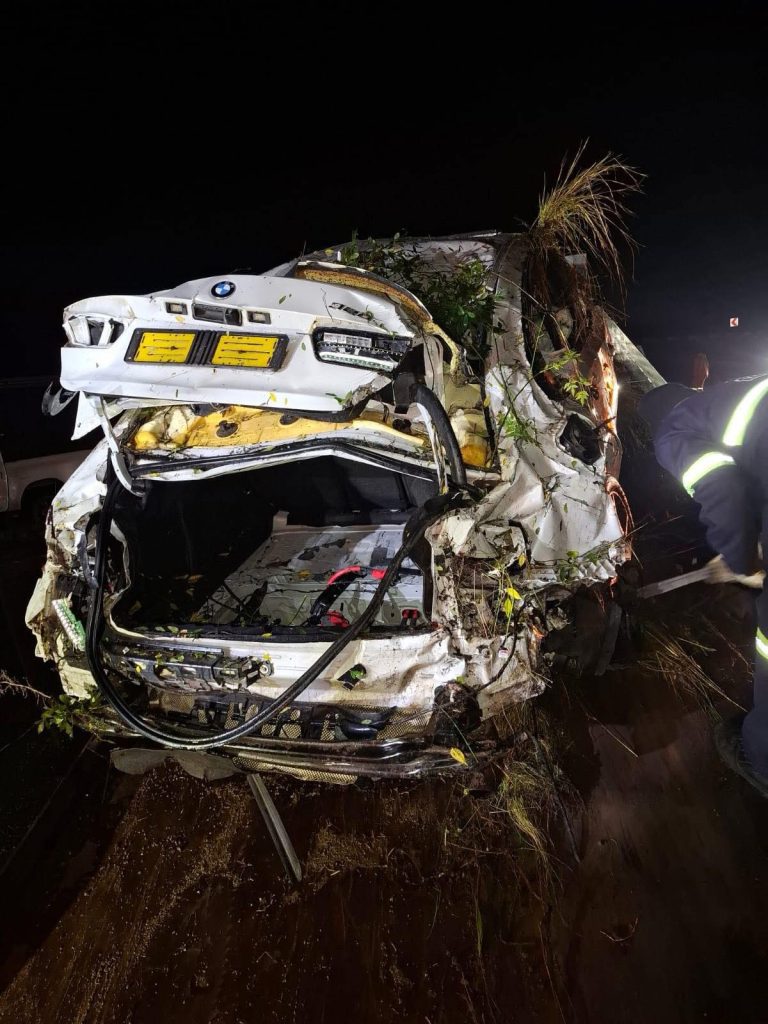
Two sergeants from the South African Police Service (SAPS) Tactical Response Team (TRT) died in a single-vehicle accident on the N4 highway near eMalahleni (Witbank), Mpumalanga, on Tuesday evening, 5 May 2026.
The officers were travelling in a state vehicle, reported as a BMW, en route to Pretoria to testify in court cases. The accident occurred just after 22:00. The vehicle overturned, crashed through barriers, hit a tree, and rolled towards the Olifants River, becoming wedged between bushes. One sergeant was ejected, while the other was trapped inside.
Both members were deployed to KwaZulu-Natal as part of the eManguzi Task Team, assisting operations against cross-border crimes in the Manguzi area near the Mozambique border. They were attached to units including Thembisa TRT and Pretoria Central TRT.
The SAPS has not yet released the names of the deceased, pending notification of their families.
Acting National Commissioner Lieutenant General Puleng Dimpane extended condolences to the families, friends, and colleagues. “The loss of these dedicated officers is a devastating blow to the organisation. They served the country with commitment and courage,” she said.
The SAPS Employee Health and Wellness unit has been deployed to support the affected families and colleagues in the eManguzi Task Team.
Recovery operations at the scene lasted approximately eight hours due to the vehicle’s position and ongoing rain, with assistance from Van Wettens Recovery.
Police spokesperson Warrant Officer David Ratau confirmed that investigations into the cause of the crash are ongoing. No further details regarding passengers, mechanical issues, or other factors have been released.
Nigerian Legislators Demand Sanctions and Plan Visit to South Africa Amid Xenophobia Concerns

Nigerian lawmakers from both the Senate and the House of Representatives have strongly condemned reported mistreatment and violence against Nigerian nationals in South Africa. They are calling for diplomatic pressure, potential economic sanctions, and have announced plans for a parliamentary fact-finding visit to Pretoria.
The reactions stem from anti-immigrant protests in South Africa during late April 2026. Groups such as Operation Dudula and the March and March Movement organised demonstrations in cities including Pretoria and Johannesburg. Protesters demanded stricter controls on illegal immigration, priority employment for South Africans, and the deportation of undocumented foreigners. They accused some foreign nationals of involvement in crime and job displacement. Marches reached the Union Buildings in Pretoria, where memoranda were submitted. Some businesses closed temporarily amid fears of disruption.
Nigerian authorities have raised particular concern over the deaths of two citizens in incidents linked to South African security forces in April 2026. Kelvin Chidiebere Amaramiro died on 25 April at Livingstone Hospital in the Eastern Cape following an alleged assault by South African National Defence Force personnel on 20 April in Port Elizabeth. A second Nigerian national, Nnaemeka Matthew Andrew Ekpeyong, died around 21 April while in custody or after an encounter with Tshwane Metro Police, with his body later found at the Pretoria Central Mortuary.
Nigerian officials stated that no Nigerians were killed and no Nigerian-owned properties were destroyed during the main protest actions between 27 and 29 April, describing those events as largely peaceful despite security forces using tear gas in some areas. However, the government has demanded thorough investigations, autopsies, and enhanced protection for its citizens. Plans are underway for the voluntary repatriation of more than 130 Nigerians who wish to return home due to safety fears.
In the Nigerian Senate, debate on 5 and 6 May 2026 was intense. Senator Victor Umeh shared experiences from a 2024 visit to South Africa, noting accounts of hardship faced by Nigerians and warnings from the Nigerian High Commission. He described how many Nigerians in 2026 were living in fear, forced to hide, and unable to conduct business normally. Umeh highlighted Nigeria’s historical support for South Africa during the anti-apartheid struggle and called for African Union involvement, including possible sanctions, as well as reciprocal measures by Nigeria.
Senate Minority Leader Abba Moro criticised the South African government for inadequate intervention. Senator Adams Oshiomhole proposed economic retaliation, including measures against South African companies operating in Nigeria such as MTN and DStv. Senate President Godswill Akpabio referred to the situation as unacceptable “Stone Age behaviour” and faulted South African authorities for lacking decisive action. The Senate agreed to establish an ad hoc committee, possibly in conjunction with the House, to undertake a fact-finding and diplomatic mission to South Africa.
In the House of Representatives, a motion of urgent national importance was tabled by members including Donald Ojogo and Billy Osawaru. The House condemned the reported attacks, called for the safe evacuation of Nigerians who wish to leave, and urged a review of diplomatic ties, trade agreements, aviation pacts, and business licences for South African companies in Nigeria. Lawmakers pressed the Ministry of Foreign Affairs to demand better protection for Nigerian citizens.
Diplomatic efforts have included a telephone conversation between South Africa’s Minister of International Relations and Cooperation, Ronald Lamola, and Nigeria’s Minister of State for Foreign Affairs, Bianca Odumegwu-Ojukwu, around 5 May. Nigeria had earlier summoned South Africa’s acting high commissioner in Abuja. South African leaders, including President Cyril Ramaphosa, have publicly condemned xenophobic violence and looting while emphasising the need for all foreigners to comply with local laws and addressing concerns over irregular migration. Both countries previously signed a 2019 Memorandum of Understanding on an early warning mechanism for xenophobic incidents.
Nigerian parliamentarians have repeatedly referenced Nigeria’s past contributions to the fight against apartheid as justification for expecting reciprocal treatment and stronger African solidarity. Concerns have also been raised by other African nations, including Ghana.
As of early May 2026, the issue continues to strain relations between Nigeria and South Africa. Nigerian legislators are pushing for accountability over the reported deaths, concrete protection measures for their nationals, and potential consequences for South African interests if the situation does not improve. The planned parliamentary delegation is intended to engage directly with South African authorities to seek lasting solutions.