
South Africa Elections Explained: How Voting Works, What Citizens Choose and How Governments Are Formed
5 min read

Welcome back! Log in to keep reading without ads.
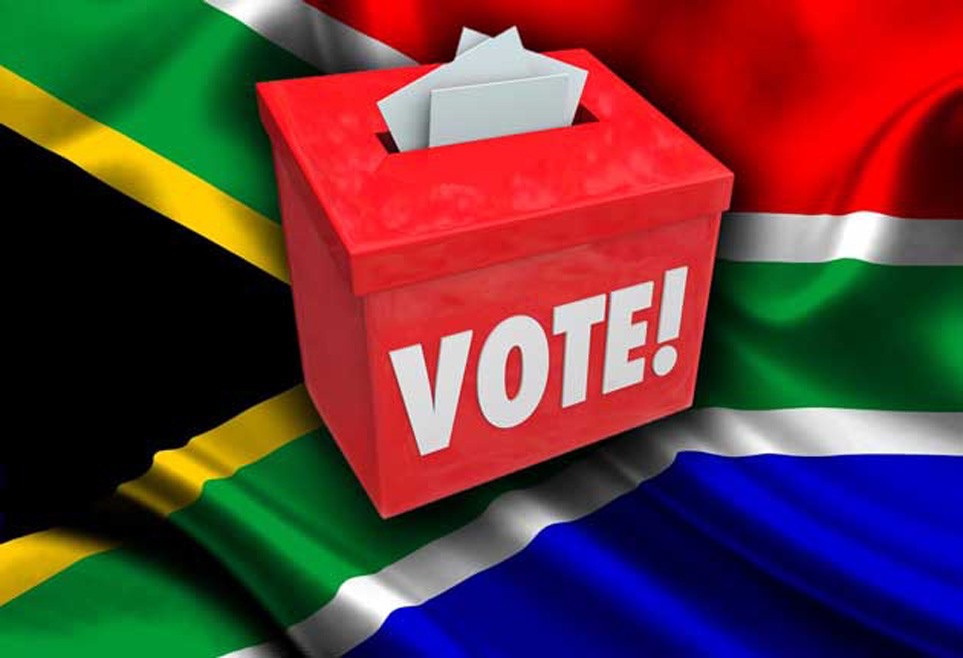
Elections in South Africa are the foundation of the country’s democratic system. They determine who governs at national, provincial and local levels and directly influence leadership, policy direction and service delivery.
South Africa uses a proportional representation electoral system, meaning political parties receive seats in government based on the percentage of votes they receive from the public. This system shapes how power is distributed and is the main reason coalition governments have become more common in recent years.
Elections are administered by the Electoral Commission of South Africa (IEC), an independent body responsible for ensuring free, fair and credible voting processes.
Understanding how elections work is essential for interpreting political news, election results and government formation in South Africa.
Types of elections in South Africa
South Africa holds three main types of elections, each serving a different level of government.
National elections
National elections determine the composition of Parliament and indirectly the President of South Africa.
In these elections:
- Citizens vote for political parties
- Parties are allocated seats in Parliament based on vote share
- Members of Parliament then elect the President
The National Assembly plays a central role in forming the national government.
Provincial elections
Provincial elections determine leadership in South Africa’s nine provinces.
These elections decide:
- Provincial legislatures
- Provincial governance structures
- Premiers of each province
Provincial governments manage key areas such as education, healthcare and infrastructure within their regions.
Municipal elections
Municipal elections focus on local government.
They determine:
- Local councils
- Mayors
- Municipal governance structures
Municipalities are responsible for essential services such as water, sanitation, electricity distribution and local infrastructure.
Municipal elections directly affect daily service delivery to communities.
How voting works in South Africa
South Africa uses a proportional representation system rather than a constituency-based system for most elections.
This means:
- Voters choose a political party, not an individual candidate
- Parties submit lists of candidates before elections
- Seats are allocated based on the percentage of votes received
The system ensures that representation in government reflects overall voter support.
The role of the Electoral Commission (IEC)
The Electoral Commission of South Africa is responsible for:
- Organising elections
- Managing voter registration
- Counting and verifying votes
- Announcing official results
- Ensuring electoral fairness
The IEC operates independently from political parties and government influence.
What happens after voting
Once votes are counted and results are confirmed, several steps follow.
Seat allocation
Each political party receives a number of seats proportional to its vote share. These seats are filled from party candidate lists.
Government formation
If a party wins more than 50 percent of the vote, it can form government alone.
If no party achieves a majority:
- Coalitions must be formed
- Parties negotiate agreements
- Power is shared between coalition partners
This process is common in modern South African politics.
Coalition governments after elections
Coalitions are agreements between political parties to form a governing majority.
They typically include:
- Power-sharing arrangements
- Agreement on leadership positions
- Policy compromises
- Budget and governance decisions
Coalitions can occur at national, provincial and municipal levels.
Why coalitions happen
Coalitions form because:
- No single party wins a majority
- Voter support is spread across multiple parties
- Political competition is increasing
- Electoral outcomes are more fragmented
This has become a defining feature of South African politics.
Challenges of coalitions
Coalition governments often face challenges such as:
- Internal disagreements between parties
- Policy conflicts
- Leadership disputes
- Instability in governance
- Service delivery delays
Coalition stability depends on continued cooperation between partners.
How elections influence government formation
Elections directly determine how government is formed in South Africa.
Key outcomes include:
- Which party leads government
- Whether coalitions are required
- Who becomes President or Premier
- How municipal leadership is structured
Even small shifts in vote share can significantly change political outcomes.
Major political parties in elections
Several political parties compete in South African elections.
African National Congress (ANC)
The ANC has historically been the dominant political party in South Africa. It has led government since 1994 but has experienced declining support in some regions in recent elections.
Democratic Alliance (DA)
The DA is the main opposition party and has strong support in certain provinces and municipalities. It positions itself as a governance-focused alternative.
Economic Freedom Fighters (EFF)
The EFF is a left-wing opposition party with strong youth support and significant influence in parliamentary debates.
Other parties
Other political parties also play important roles, particularly in coalition negotiations and local government outcomes.
Voter behaviour and political trends
South African voter behaviour has changed in recent years.
Key trends include:
- Declining support for dominant parties in some areas
- Increased support for smaller parties
- Higher importance of local issues
- Growing influence of coalition politics
These trends have led to more competitive elections.
Importance of municipal elections
Municipal elections are particularly important because they directly affect:
- Water supply
- Electricity services
- Road maintenance
- Local infrastructure
- Waste management
Service delivery concerns often influence voter decisions at local level.
Why elections matter in South Africa
Elections determine:
- National leadership
- Policy direction
- Economic strategy
- Service delivery performance
- Political stability
They are the primary mechanism through which citizens influence government.
How to understand election news
When reading election-related news, it is important to identify:
- Whether the news is national, provincial or municipal
- Which parties are involved
- Whether results or predictions are being discussed
- Whether coalition formation is likely
This helps provide context for political developments.
Internal linking strategy (SEO)
This pillar page should link to:
- Election result articles
- Party political news (ANC, DA, EFF)
- Coalition government articles
- Parliamentary updates
All election-related news articles should also link back to this page to strengthen SEO authority.
Conclusion
Elections in South Africa are the foundation of its democratic system and determine how power is distributed across national, provincial and local government. The proportional representation system has led to increased coalition politics and more competitive elections.
Understanding how elections work is essential for interpreting political developments and government changes in South Africa.


[…] South Africa Elections Explained […]