SARS and Hawks Deliver Significant Setback to Drug Smuggling Networks with Major Cocaine Interception at Durban Port
5 min read

Welcome back! Log in to keep reading without ads.
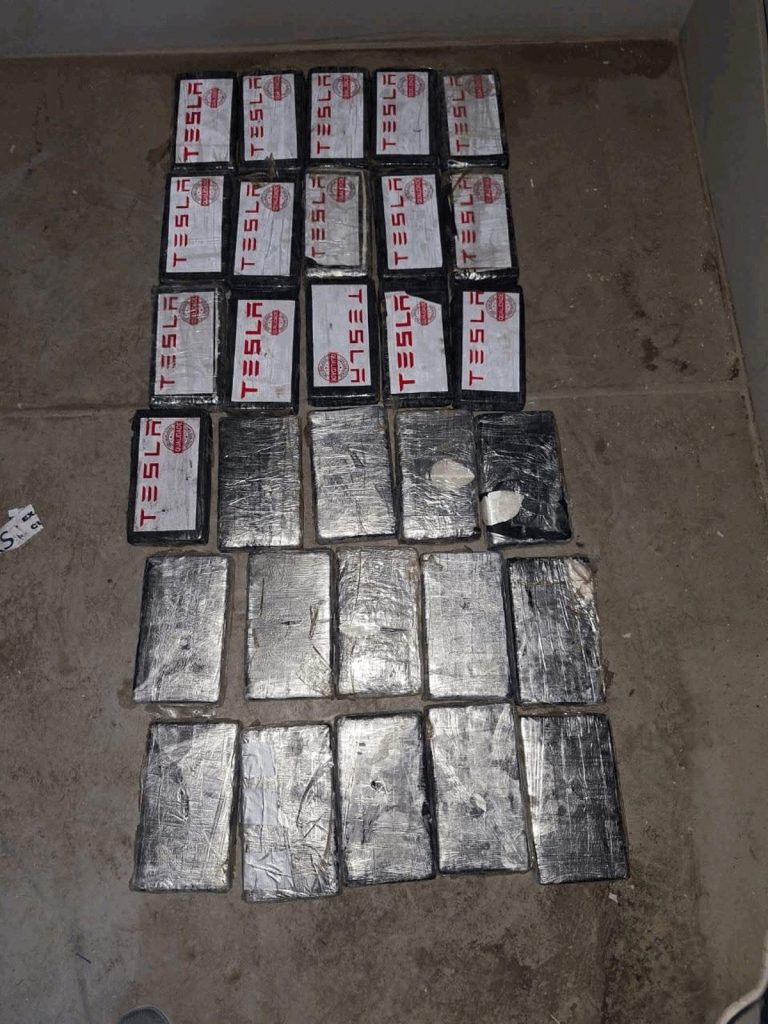
In a notable success for South African law enforcement, the South African Revenue Service (SARS) collaborated with the Directorate for Priority Crime Investigation (Hawks) to seize 30 bricks of cocaine at the Port of Durban. This operation underscores the ongoing challenges posed by transnational drug trafficking and the strengthened multi-agency response aimed at securing the country’s ports.
The latest interception occurred on the KwaZulu-Natal coastline and came just days after another substantial haul at the same facility. On or around June 6 or 7, 2026, authorities recovered approximately 90 kilograms of suspected cocaine, estimated to be worth around R36 million on the street, concealed within heavy machinery imported from Brazil.
These back-to-back operations highlight intensified attempts by organised crime groups to exploit South Africa’s major trade entry points, particularly the Port of Durban, as conduits for narcotics originating from South America. Law enforcement agencies have responded with coordinated, intelligence-driven strategies to counter these threats.
Details of the Recent 30-Brick Seizure
Customs officials at the Port of Durban, operating under SARS, employed intelligence-led risk profiling to single out a container vessel arriving from South America for detailed examination. The targeted container was located in a challenging position below the waterline on the vessel.
Upon boarding and initial inspection, officers noticed signs of tampering with parts of the container’s structure. This observation triggered a more thorough, intrusive search, during which concealed packages were discovered. A mobile testing kit deployed on site confirmed the substance as pure cocaine, packaged into 30 bricks.
Detector dogs and on-site verification techniques played a supportive role in the detection process. The consignment was identified through systematic cargo profiling and risk assessment methodologies routinely applied by SARS Customs teams. No arrests have been publicly reported in connection with this specific seizure at the time of reporting, with investigations continuing.
Context from the Preceding 90kg Bust
The recent action builds directly on momentum from the earlier seizure involving roughly 90kg of suspected cocaine. In that case, the drugs were hidden inside two excavators shipped aboard the vessel Neptune Ace Tokyo from Santos, Brazil, and offloaded at the Q and R Car Terminal.
Hawks’ South African Narcotics Enforcement Bureau (SANEB) members were alerted by Customs officials. A detailed examination of the first excavator revealed suspicious packages concealed in a panel leading to the engine compartment, yielding 47 blocks. A follow-up inspection of the second machine uncovered an additional 43 blocks.
The total haul weighed approximately 90 kilograms, with an estimated street value of R36 million (based on roughly R400,000 per kilogram). Durban Visible Policing Operations and the Local Criminal Record Centre assisted in securing the scene. As with the subsequent operation, the focus remains on dismantling the broader networks involved.
Leadership Statements on Collaborative Efforts
SARS Commissioner Dr. Johnstone Makhubu and Acting National Head of the Hawks, Lieutenant General Sphesihle Nkosi, have both emphasised the importance of inter-agency cooperation in these successes.
Dr. Makhubu described the operations as an example of government acting cohesively: SARS identifies and acts on intelligence, then hands over seamlessly to investigative partners within a unified approach. He noted ongoing enhancements in monitoring at ports, including better cargo profiling and targeted inspections. “South Africa’s borders are not open to illicit trade,” he stated, while highlighting the broader societal harm caused by drugs, which affect families, communities, and the national economy.
Lieutenant General Nkosi reinforced that drug trafficking represents a national security threat that fuels violence and undermines communities, particularly affecting the youth. He stressed that pooling resources allows agencies to more effectively detect, intercept, and prosecute complex operations spanning local and international borders. “Law enforcement is working as a united front,” he added.
Broader Implications and Ongoing Initiatives
These seizures form part of a larger, sustained campaign by SARS and its partners—including local and international law enforcement—to disrupt illicit trade flows through South Africa’s ports. The Port of Durban, as a critical economic gateway handling significant container and cargo volumes, remains a focal point for such efforts.
Authorities continue to invest in advanced risk assessment tools, non-intrusive inspection technologies, and intelligence sharing to balance legitimate trade facilitation with robust enforcement against smuggling. Past incidents, including large-scale cocaine busts in previous years, have informed improved chain-of-custody and storage protocols, though challenges in the broader fight against organised crime persist.
The narcotics recovered in these operations are expected to be handed over for further forensic analysis, potential prosecution support, and eventual destruction. Investigations aim to trace the consignments back to their sources and identify those responsible within smuggling syndicates.
South African authorities have signalled that such interceptions will intensify, sending a strong deterrent message to criminal networks attempting to use the country’s infrastructure for drug importation. The combined work of SARS Customs, the Hawks, and supporting units demonstrates a commitment to protecting public safety, community well-being, and the integrity of national borders amid evolving threats from transnational organised crime.
As probes into these specific cases advance, officials anticipate further developments that could yield additional arrests and insights into larger trafficking routes. For now, these operations stand as tangible evidence of progress in a difficult but vital battle.