SAA Pilot Takes Airline to High Court Over Turbulence Incident
4 min read

Welcome back! Log in to keep reading without ads.
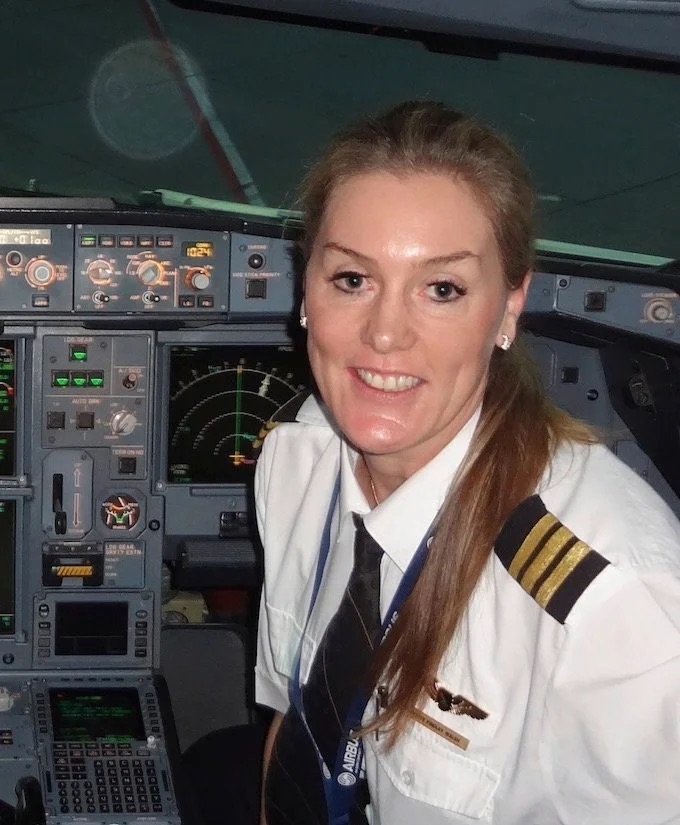
A veteran South African Airways (SAA) pilot is fighting to protect her career after an October 2024 turbulence incident left four cabin crew members injured and raised questions about how the aircraft was handled during the flight.
Captain Yvette Walsh, who has 23 years of flying experience, is seeking an independent investigation into the incident involving an Airbus A330-300 travelling from Cape Town to OR Tambo International Airport in Johannesburg. The dispute centres on findings that her manual control inputs contributed to the aircraft’s unstable flight path, as well as her claims that important flight data was not preserved.
What Happened During the Flight?
The incident occurred on 27 October 2024, approximately 33 minutes after SAA flight SA314 departed Cape Town International Airport for Johannesburg. The aircraft was cruising at approximately 41,000 feet when it encountered clear-air turbulence.
At the time, the cabin crew was serving breakfast, and the seatbelt sign was switched off. The sudden changes in the aircraft’s movement caused crew members to be thrown around the cabin, with four sustaining injuries. One crew member suffered serious injuries, while three others sustained minor injuries. No passengers were injured, and the aircraft did not sustain structural damage.
Clear-air turbulence can occur without visible clouds or significant weather indications on an aircraft’s weather radar, making it difficult for flight crews to anticipate.
According to the investigation, the first officer, who was piloting the aircraft, noticed that its speed was increasing towards the maximum operating limit. She disconnected the autopilot and attempted to stabilise the aircraft manually.
The aircraft subsequently experienced repeated nose-up and nose-down movements, known as pitch oscillations.
Investigation Into the Cockpit Decisions
The South African Civil Aviation Authority’s investigation examined the flight data and the pilots’ actions during the incident.
The findings identified the first officer’s decision to disengage the autopilot without properly communicating it to the captain as a contributing factor. The investigation also identified poor crew resource management.
Airbus simulations indicated that keeping the autopilot engaged and deploying the appropriate speed brakes would have helped the aircraft recover more quickly, with less severe fluctuations.
The investigation also found that the aircraft briefly exceeded its maximum operating speed. The incident was classified as serious, although the aircraft landed without structural damage.
These findings form an important part of the dispute now facing Walsh, whose actions during the incident have come under scrutiny.
Dispute Over Evidence and the Investigation
Walsh is challenging the way the findings have affected her professional future and is seeking an independent investigation into the incident.
She argues that she has not been given a fair opportunity to challenge conclusions that could affect her career.
A key issue concerns the preservation of flight recordings. The aircraft’s flight data recorder information from the day of the incident had already been overwritten by the time the occurrence was reported. However, quick access recorder data was available and was subsequently downloaded for analysis.
Walsh alleges that the loss of important recording evidence has undermined her ability to independently examine what happened in the cockpit.
The distinction is important: investigators did have access to quick access recorder data, but the original flight data recorder information was no longer available.
SAA Opposes the Court Application
SAA is opposing Walsh’s urgent application for an independent investigation.
The airline reportedly argued that a further investigation was unnecessary and that the urgency claimed by Walsh was of her own making. It also maintained that the dispute did not present an ongoing safety concern involving the aircraft.
The matter was removed from the urgent court roll and is expected to proceed through the ordinary High Court process in 2027.
Walsh remains on medical leave while the dispute continues. The outcome could have significant consequences for her ability to return to flying duties and for her future with the national carrier.
What Happens Next?
The legal proceedings will determine how Walsh’s challenge is handled and whether the relief she is seeking will be granted. Her allegations concerning the handling of evidence and the fairness of the process remain part of the dispute, while the aviation investigation has already identified factors that contributed to the incident.
The case highlights the distinction between an aviation safety investigation, which examines the circumstances and contributing factors of an incident, and a legal dispute concerning an individual’s career and the process followed by an employer.
The High Court proceedings remain unresolved, and no final outcome regarding Walsh’s legal challenge has been reported.
- Malawian National Arrested After Police Recover R8 Million Worth of Suspected Stolen Goods in Johannesburg

- Seven Houses Damaged After Driverless Truck Rolls Down Road in Umlazi

- SAA Pilot Takes Airline to High Court Over Turbulence Incident
- Wanted Murder Suspect Fatally Shot in Police Operation in Mqanduli, AK-47 Recovered

- Two Suspects to Appear in Court Over Double Murder Linked to Epping Taxi Violence