Ramaphosa calls for global reform as South Africa raises concerns over inequality and conflict
2 min read

Welcome back! Log in to keep reading without ads.
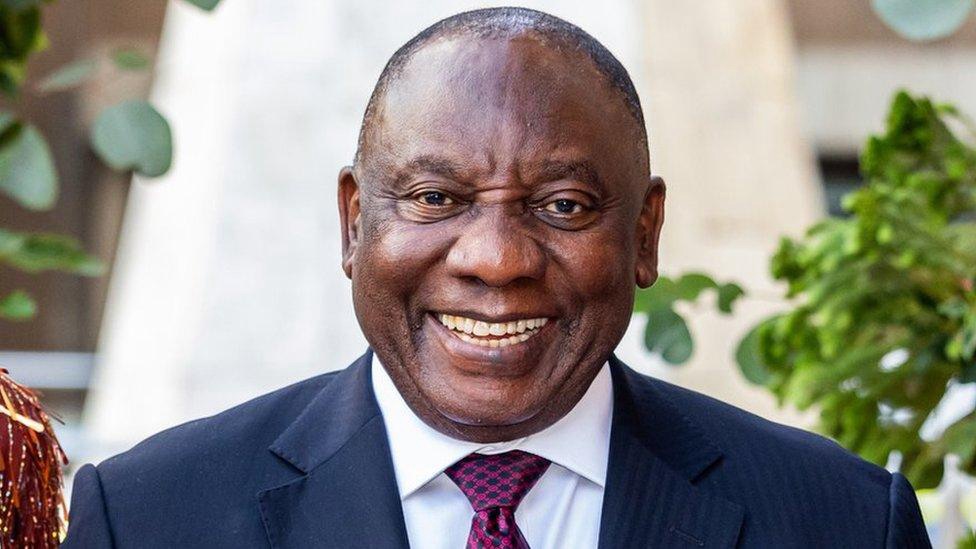
President Cyril Ramaphosa has called for reforms to global governance systems, highlighting growing inequality and ongoing international conflicts during recent public remarks.
The statements form part of South Africa’s broader position on global cooperation and multilateral reform.
Call for reform of global institutions
Ramaphosa emphasised the need for reform of international institutions, including the United Nations system.
He raised concerns about global inequality and the effectiveness of current structures in addressing modern challenges.
The president indicated that reforms are necessary to ensure fair representation and improved decision-making on global issues.
Concerns over global conflicts
The president also addressed ongoing international conflicts, including the situation in Gaza.
South Africa has maintained its position on the matter, including its involvement in legal proceedings at the International Court of Justice.
Ramaphosa reiterated the country’s stance on the need for peaceful resolution and adherence to international law.
South Africa’s role in global diplomacy
South Africa continues to advocate for multilateral cooperation and engagement through global institutions.
The country has called for stronger collaboration between nations to address economic inequality, conflict, and development challenges.
These positions form part of South Africa’s broader foreign policy approach.
Focus on inequality and development
Ramaphosa highlighted the impact of inequality on global stability, noting that disparities between nations remain a key concern.
He called for greater efforts to support developing countries and ensure more equitable economic growth.
Ongoing international engagement
South Africa remains actively involved in international discussions on governance reform and global stability.
The country’s position includes advocating for changes to structures such as the United Nations Security Council.
Conclusion
President Cyril Ramaphosa’s recent statements highlight South Africa’s continued push for global reform and its stance on inequality and international conflict, as the country remains engaged in multilateral discussions.