

Police Receive Tip and Initiate Stop
On 15 September 2026, the Economic Infrastructure Task Team of the Durban Metro Police Service, backed by the Tactical Support Unit, acted on a credible intelligence report that a vehicle travelling through the Phoenix suburb was suspected of carrying illicit drugs. Phoenix, a rapidly expanding township on the outskirts of Durban, has seen a rise in narcotics activity over the past few years, prompting law‑enforcement agencies to intensify surveillance and community outreach.
The tip‑off, relayed via the province’s central crime‑information hotline, described a white sedan making irregular stops near the industrial corridor. Officers positioned strategically along the route prepared to intercept the vehicle while maintaining the element of surprise to minimise the risk of a violent confrontation.
Search Uncovers Large Quantity of Narcotics
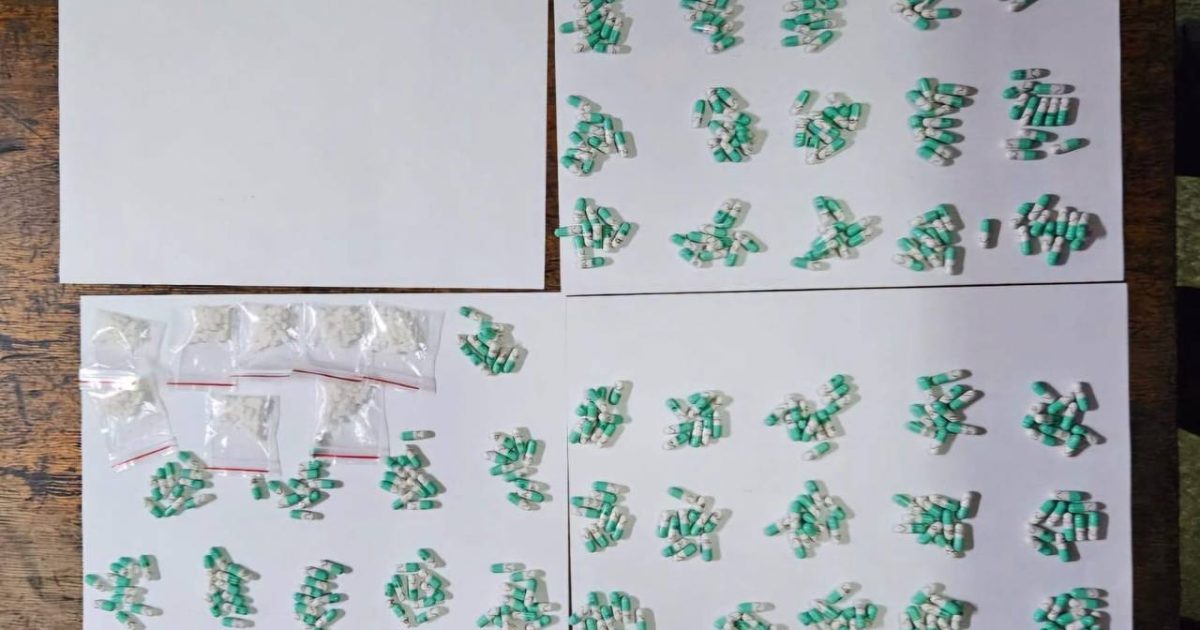
When the patrol units finally halted the suspect’s car, a systematic search of the vehicle’s interior and trunk was conducted in accordance with standard operating procedures for drug‑related stops. Inside, officers discovered an alarming cache: approximately 400 rock‑type cocaine units and an equal number of heroin capsules, both packaged in small, unmarked plastic bags.
Laboratory analysis later confirmed the substances as high‑purity cocaine and heroin, each weighing roughly 0.5 grams per piece. This haul represents one of the largest single‑seizures recorded in the Phoenix area in recent memory, surpassing the average street‑level busts that typically involve fewer than 100 items. The sheer volume suggests the vehicle was likely part of a broader distribution network feeding into KwaZulu‑Natal’s coastal markets.
Arrest and Detention Procedures
The individual identified during the stop was an African male, aged early thirties, who could not produce a valid driver’s licence or any documentation linking him to the cargo. He was placed under arrest on the spot, read his rights in accordance with the South African Constitution, and subsequently transferred to the Phoenix South African Police Service (SAPS) station for processing.
At the station, the suspect was booked, photographed, and his fingerprints were taken. The seized narcotics were logged, photographed, and handed over to the forensic unit for chain‑of‑custody preservation. The suspect now faces multiple charges, including possession of a prohibited substance and intent to distribute, each carrying a potential sentence of up to 25 years in prison under the Drugs and Drug Trafficking Act.
Implications for Community Safety
The successful Phoenix drug bust underscores the effectiveness of inter‑departmental cooperation between the Economic Infrastructure Task Team and the Tactical Support Unit. By pooling intelligence, resources, and specialised training, the units were able to act swiftly, preventing what could have been a larger distribution event in the community.
Local residents have expressed relief, noting that the presence of cocaine and heroin on their streets has contributed to rising crime rates, including violent robberies and domestic abuse. Community leaders, including the Phoenix Ward Councillor, have praised the police’s rapid response and urged continued vigilance and reporting of suspicious activity.
Nationally, South Africa continues to grapple with a surge in drug trafficking, driven in part by porous borders and sophisticated smuggling routes that link the country to major production hubs in Latin America and Asia. The KwaZulu‑Natal province, with its extensive ports and highway networks, remains a critical transit point. Operations like the Phoenix drug bust are part of a broader strategy outlined in the National Drug Master Plan, which aims to dismantle supply chains, reduce demand through education, and strengthen rehabilitation services.
In the aftermath of the arrest, the Durban Metro Police Service announced plans to increase patrols in Phoenix and surrounding suburbs, as well as to launch a series of public awareness campaigns highlighting the dangers of drug abuse and the legal repercussions of trafficking. These initiatives are expected to complement existing community policing efforts that focus on youth engagement, job creation, and substance‑abuse counseling.
While the suspect’s legal proceedings are still pending, the immediate impact of the Phoenix drug bust is clear: a substantial amount of cocaine and heroin has been removed from the streets, a potential trafficker has been taken off the supply chain, and the message has been sent that law‑enforcement agencies are committed to safeguarding the community.