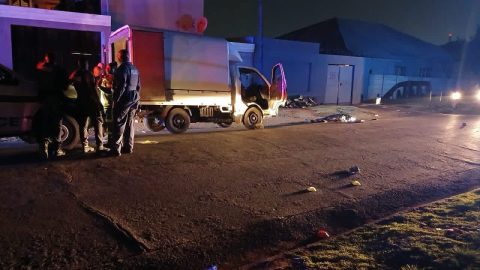


E-hailing platforms like Uber and Bolt have transformed urban mobility in South Africa, providing flexible income opportunities for thousands of drivers while serving millions of rides. However, the industry operates in one of the world’s highest-crime environments, where drivers routinely encounter armed robberies, hijackings, assaults, and murders. South Africa ranks third in Africa on the global organized crime index, with major cities like Johannesburg, Cape Town, and Durban among the most dangerous for carjackings, aggravated robberies, and murders.
Research and reports document a considerable rise in assaults, robberies, car hijackings, malicious damage to property, and murders targeting e-hailing drivers between 2020 and 2024. Drivers face risks including route deviations, passenger disputes, and ambushes, exacerbated by inadequate real-time tracking transparency and passenger screening in some cases.
Older drivers are particularly vulnerable. Many enter or remain in the gig economy after layoffs or to support families, despite health issues that limit self-defense. Approximately 135,000 digital platform-based gig workers exist in South Africa, with older individuals often targeted due to perceived ease.
Personal Accounts Highlight Everyday Dangers
Nolwazi Mtshekexe, a 50-year-old Uber driver in Johannesburg and mother of three, described a December incident in Soweto. Three men entered her vehicle for a cash fare. They admitted intending to rob and hijack her but spared her after she explained her situation. They warned her against night work and left without paying. Mtshekexe has been robbed multiple times and continues driving due to limited alternatives.
Winnie Mzilankatha, another driver, was carjacked in 2016, losing money and her cellphone. In 2018, a minibus taxi group impounded her vehicle over territorial disputes, forcing her to pay 1,000 rand to recover it. Now 50, she reports being robbed six times in three years and feels trapped.
Andries Lamola, 59, was robbed while waiting outside a Johannesburg restaurant; a thief took his cellphone and cash bag. He has experienced multiple phone thefts and hears of worse outcomes, including killings. Teddy Dube, 60, faced smash-and-grab attacks and thieves who entered his car to steal items before fleeing.
Female drivers also face threats. Reports include women robbed at gunpoint, with some incidents involving multiple assailants.
Documented Cases of Robberies, Hijackings, and Murders
Violent incidents are frequently reported, often captured on dashcams that aid investigations but underscore the risks.
- Pretoria West Murder (February 2026): 22-year-old Nigerian student and Bolt driver Isaac David Satlat was strangled to death by passengers who requested a ride. Dashcam footage showed the attack, with a female passenger initiating and a male accomplice joining. His body and hijacked vehicle were found in Atteridgeville (Moshongo area). A female suspect handed herself in; additional arrests followed, including up to six people implicated. Satlat was using another driver’s profile, violating Bolt policy, which affected compensation claims for his family. Prosecutors charged the trio with murder; the case involved court appearances and bail proceedings.
- Soweto Incident (August 2025): 27-year-old driver Siyanda Mthokozisi Mvelase was shot dead and his vehicle set on fire at Maponya Mall, highlighting tensions with traditional taxi operators.
- Eldorado Park Robbery (2025): A driver was ambushed upon arrival for a trip from Mondeor, robbed, forced into bushes, and tied to a tree. Gauteng Traffic Police arrested a suspect.
- Cape Town and Other Areas: Multiple reports of armed robberies, including an Uber driver robbed at gunpoint by three men in Athlone. Dashcam footage has circulated showing criminals posing as passengers. Drivers in Gqeberha (Port Elizabeth) marched over safety and pricing issues. Incidents include stabbings and attacks in high-risk zones.
Associations like the Western Cape E-hailing Association (WCEA) and National e-Hailing Federation report near-daily incidents of robberies, hijackings, and killings. Chairperson Siyabonga Hlabisa noted receiving videos of stabbings and recalled drivers killed while waiting for passengers.
Criminals use fake profiles, pose as passengers, or lure drivers to remote areas. Hijacked vehicles are sometimes used for further crimes against other riders. Profile sharing by drivers increases vulnerabilities by bypassing verification.
Broader Context and Industry Response
Police acknowledge reports of carjackings, robberies, and assaults against gig drivers but lack sector-specific public statistics. They engage with platforms on security improvements.
Platforms have introduced features like audio recording, RideCheck alerts, emergency buttons, and (for Bolt) passenger selfie verification. However, drivers criticize slow responses, profit prioritization over safety, and insufficient protections in high-risk areas. New regulations require operating licenses and vehicle branding, though some fear branding increases targeting.
Driver groups call for no-go zones, better vetting, community policing collaboration, and legislative intervention. Tensions with traditional taxi operators add risks in certain areas.
E-hailing remains essential but exposes drivers—many with few alternatives—to South Africa’s violent crime realities. While some arrests occur and technology aids prosecutions, systemic challenges persist, leaving drivers to navigate daily threats in pursuit of livelihood.
Facts from reports, police statements, and eyewitness accounts confirm the severity and frequency of these dangers.
OTHER NEWS
Mountview Mother Sustains Injuries While Shielding Toddler in Retaining Wall Collapse
In Mountview, KwaZulu-Natal, a 33-year-old mother was injured on Tuesday, 14 July 2026, after using her body to protect her 18-month-old daughter during the sudden collapse of a neighbouring retaining wall onto their wood-and-iron home.
The incident occurred at approximately 13:07 on an unnamed road off Bridgeford Drive. Reaction Unit South Africa (RUSA) Operations Centre received a call for assistance following reports of the structural failure. Upon arrival, RUSA officers found that neighbours had already freed the mother and child from the damaged structure.
According to details from the response teams, the toddler had been asleep inside the home at the time the retaining wall gave way. Debris from the collapsing wall crashed onto the residence, causing extensive damage to the structure. The mother positioned herself over her daughter to shield her from the falling material, resulting in injuries to her head and back.
Paramedics provided on-scene treatment to the woman before transporting her by ambulance to hospital for further care. The 18-month-old child escaped the event without serious injuries.
The collapse involved a neighbouring retaining wall that failed, impacting the family’s modest wood-and-iron dwelling. Neighbours’ swift intervention played a key role in extracting the pair from the wreckage prior to the emergency responders’ arrival. No other individuals were reported injured in the immediate incident.
As of the latest available information, the exact cause of the retaining wall’s failure has not been established. Authorities have not released further details on potential contributing factors such as structural integrity, weather conditions, or nearby construction activity at this stage.
This event highlights the vulnerabilities faced by residents in areas with ageing or poorly maintained infrastructure, particularly in informal or semi-formal housing setups common in parts of KwaZulu-Natal. Retaining walls in hilly or sloped terrains are critical for stability but can pose significant risks when they fail, as seen in this case where a residential structure bore the direct brunt of the debris.
Local emergency services, including RUSA, paramedics, and community members, coordinated effectively in the immediate response. The mother’s actions in prioritising her child’s safety amid the chaos have been noted as instrumental in preventing more severe harm to the toddler.
Residents in Mountview and surrounding areas may now face concerns regarding similar structures nearby. While no broader evacuation or widespread alerts have been mentioned, the incident underscores the importance of regular inspections and maintenance of retaining walls and adjacent buildings in the region.
The family’s home sustained substantial damage, though specific details on the extent of destruction or plans for temporary accommodation were not immediately available. The toddler’s unharmed condition stands as a positive outcome in what could have been a far more tragic scenario.
Investigations into the collapse are expected to proceed to determine responsibility and prevent future occurrences. In the meantime, the mother remains under medical care, with her condition described in initial reports as involving minor injuries despite the physical toll of the protective effort.
This incident serves as a reminder of the everyday risks in residential areas built on challenging topography and the critical role of community vigilance and rapid response in mitigating harm.
- Family of Vusimuzi Radebe seeks answers after he was beaten to death while walking home in eMalahleni

- State alleges workplace hit as three men appear over Robert Wolk murder

- One suspect killed and 10 arrested after police shootout in Cleveland, Johannesburg

- Eastern Cape taxi boss Celani Twazi shot dead in National Intervention Unit operation linked to Libode police killings

- Senior Police Officer Arrested Over Statutory Rape Allegations