Motorcyclists Face Serious Risks on South African Roads, But Reckless Riding Is Also Part of the Problem
8 min read

Welcome back! Log in to keep reading without ads.
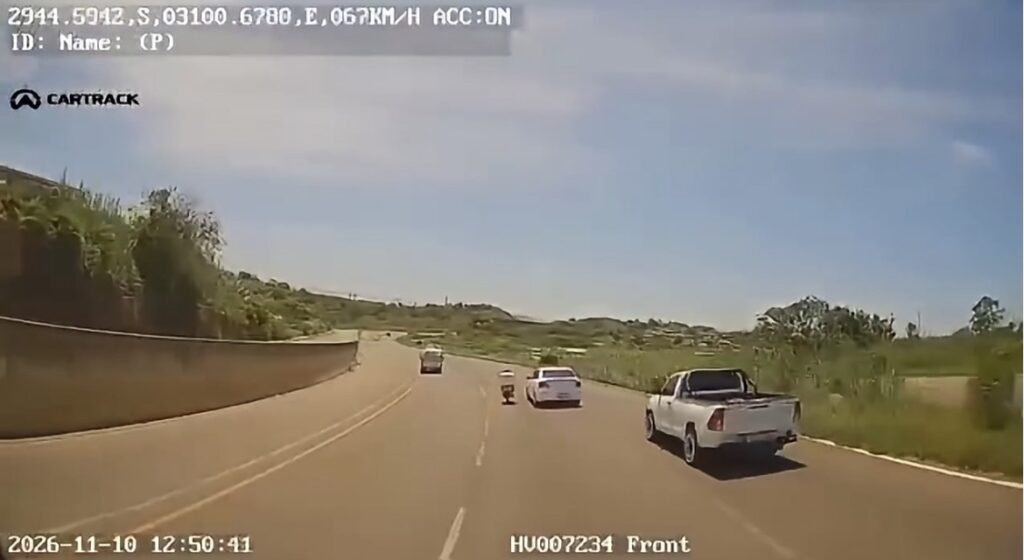
Motorcyclists are among the most vulnerable road users in South Africa, where busy highways, congested urban roads, speeding motorists, poor visibility and dangerous driving behaviour create conditions that can have devastating consequences for those travelling on two wheels.
Unlike occupants of cars, bakkies and other enclosed vehicles, motorcyclists have very little physical protection when involved in a collision. Even a relatively low-speed crash can leave a rider with serious injuries, while high-speed collisions can be fatal.
However, the dangers faced by motorcyclists cannot be blamed entirely on other motorists. While many riders are victims of careless and irresponsible driving, there are also motorcyclists whose own behaviour creates dangerous situations for themselves and everyone sharing the road.
The issue requires accountability from both sides.
Motorcyclists Have Very Little Protection in a Collision
One of the biggest dangers associated with motorcycle travel is the lack of protection surrounding the rider.
A driver travelling in a modern vehicle has the benefit of a protective cabin, seatbelts, airbags and other safety features designed to reduce the impact of a collision. Motorcyclists do not have the same level of protection.
When a motorcycle collides with another vehicle, roadside structure or stationary object, the rider’s body is directly exposed to the impact.
Head injuries, spinal injuries, broken bones, internal injuries and severe trauma are among the possible consequences of serious motorcycle crashes.
Protective helmets and appropriate riding equipment can reduce the severity of certain injuries, but they cannot eliminate the risk of death or serious injury.
This makes speed, following distance, road awareness and responsible riding particularly important.
Cars Changing Lanes and Failing to Notice Motorcycles
Another major danger is the failure of motorists to notice approaching motorcycles.
Motorcycles have a smaller visual profile than larger vehicles, making them easier to overlook, particularly when drivers are changing lanes, turning across traffic or entering a roadway.
A driver checking a mirror may fail to identify a motorcycle approaching from behind or travelling alongside another vehicle.
Distracted driving, mobile phone use, poor observation and sudden lane changes can leave motorcyclists with very little time to react.
Intersections are particularly dangerous because vehicles turning across traffic may enter the path of an approaching motorcycle.
Motorists should therefore check their mirrors and blind spots carefully before changing lanes, turning or merging into traffic.
Lane Splitting Creates Additional Risks
Lane splitting, commonly referred to as filtering, is another issue frequently seen on South African roads.
This happens when motorcyclists travel between lanes of stationary or slower-moving traffic, often making their way towards the front of a queue at a traffic light.
Although filtering is not automatically illegal in South Africa, it must be done safely and in accordance with applicable traffic regulations.
The practice becomes particularly dangerous when riders travel at excessive speeds between vehicles.
A driver can suddenly change lanes, open a door, move around an obstacle or attempt to enter a gap without noticing a motorcycle approaching between the lanes.
The space available is often limited, leaving the rider with little room to manoeuvre or avoid a collision.
Motorcyclists who filter through traffic should consider the speed of surrounding vehicles, road conditions, available space and the possibility of sudden movements by other motorists.
Weaving between vehicles, travelling too fast and attempting to squeeze through narrow gaps can turn an already risky situation into a serious accident.
Speeding and Reckless Riding Among Motorcyclists
While motorcyclists face genuine dangers from other road users, it would be unfair to suggest that every motorcycle accident is caused by careless car drivers.
Some motorcyclists themselves contribute to dangerous road conditions through reckless behaviour.
Excessive speeding, aggressive overtaking, weaving through traffic, ignoring traffic signals, tailgating and performing dangerous manoeuvres are behaviours that place riders and other road users at risk.
Motorcycles are capable of accelerating quickly, and some riders use that performance irresponsibly on public roads.
Travelling at excessive speeds reduces the time available to identify hazards and react to unexpected situations. It also increases the distance needed to stop and the potential severity of a collision.
A motorcyclist overtaking several vehicles at high speed may leave other drivers with little opportunity to anticipate their movements.
The same applies to riders who approach intersections at excessive speeds, overtake on dangerous sections of road or disregard traffic signals.
Being on a motorcycle does not give anyone permission to ignore traffic laws or put other people’s lives in danger.
Riders must accept that their own decisions and behaviour play an important role in determining how safely they travel.
Road Conditions Can Be Particularly Dangerous
South African road conditions present additional challenges for motorcyclists.
Potholes, loose gravel, uneven surfaces, roadworks, slippery road markings, standing water and damaged sections of road can all affect motorcycle stability.
A car may be able to travel over certain road imperfections without losing control, but a motorcycle has only two tyres making contact with the road.
An unexpected pothole or patch of loose gravel can affect balance and steering, particularly when a rider is travelling at speed or negotiating a corner.
Wet roads also reduce tyre grip and increase the possibility of losing control during braking or turning.
Roadworks can create further hazards through temporary lane markings, uneven surfaces, construction material and sudden changes in traffic flow.
Motorcyclists need to adjust their speed according to the conditions rather than assuming that a road is safe simply because the posted speed limit allows faster travel.
High-Speed Roads and Dangerous Overtaking
Highways and rural roads create their own risks.
Vehicles travelling at high speeds have less time to respond to unexpected situations, while motorcycles can be difficult to judge when approaching from a distance.
Dangerous overtaking is a particular concern.
Motorcyclists who attempt to pass vehicles without sufficient visibility or available space risk colliding with oncoming traffic or vehicles turning across their path.
Drivers also need to remember that motorcycles can approach faster than expected and should avoid changing lanes without checking properly.
On rural roads, bends and curves require particular caution. A rider entering a corner too quickly may lose control, especially when road surfaces are uneven or unfamiliar.
Visibility Is Another Major Concern
Motorcycles are smaller than most vehicles on the road, which makes visibility an important part of rider safety.
Poor lighting, dark clothing, adverse weather and riding in another vehicle’s blind spot can increase the chances of a collision.
Motorcyclists should use their headlights, wear appropriate protective clothing and make themselves as visible as possible.
Drivers, meanwhile, should never assume that a road is clear simply because they cannot immediately see a larger vehicle approaching.
Checking mirrors, turning to inspect blind spots and signalling before changing lanes are basic precautions that can prevent serious collisions.
Helmets and Protective Equipment Matter
Wearing an appropriate helmet is one of the most important safety measures for motorcyclists.
South African road regulations require motorcycle riders and passengers to wear compliant protective helmets.
Protective clothing, gloves, suitable footwear and other riding equipment can also help reduce injuries during a fall or collision.
However, protective equipment should never create a false sense of security.
A helmet does not make excessive speeding safe, and protective clothing cannot guarantee survival in a high-impact collision.
The most effective approach remains preventing the crash from happening in the first place.
Road Safety Is a Shared Responsibility
The risks faced by motorcyclists on South African roads should not be ignored. They are exposed to serious dangers when other motorists fail to observe traffic conditions, change lanes without checking or drive while distracted.
However, motorcyclists must also be willing to acknowledge their own responsibility.
Reckless riding, excessive speeding, dangerous overtaking and irresponsible lane splitting put lives at risk. Riders who disregard traffic laws cannot expect other road users to compensate for their decisions.
The responsibility for road safety does not belong exclusively to car drivers, truck drivers, taxi operators or motorcyclists. Every person using South African roads has a duty to behave responsibly.
Motorists need to look out for motorcycles, while riders need to respect speed limits, maintain control of their vehicles and avoid dangerous manoeuvres.
Ultimately, sharing the road means recognising that everyone has a responsibility to protect human life.
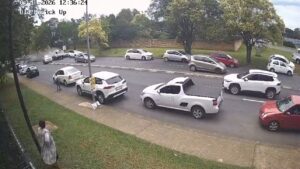
Dashcam Footage Captures Devastating Collision Involving Motorcyclist in KZN https://t.co/324u2htcan
— PrimeTime News (@PrimeTimeNewsZA) November 16, 2026
A motorcycle may offer freedom and convenience, but no journey is worth risking a life through unnecessary speeding or reckless behaviour.
- Motorcyclists Face Serious Risks on South African Roads, But Reckless Riding Is Also Part of the Problem

- Nine People Shot Dead in Mass Shooting at Jeffsville Informal Settlement in Atteridgeville
- 27 Injured After Bus Overturns on N3 in Pietermaritzburg
- Nine-Year-Old Girl Allegedly Burned With Hot Cooking Oil After R700 Theft Accusation In Upington

- 14-Year-Old Boy Arrested After Domestic Worker Is Shot Dead on Mpumalanga Farm