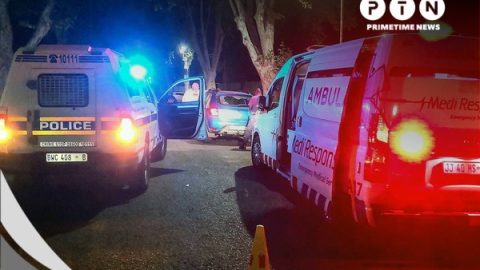

In the quiet suburb of Lwandle, Cape Town, a night out turned into a tragedy when armed assailants opened fire on a bustling shisanyama at around 1:46 am on Sunday. The assault left ten patrons dead and eleven more receiving medical treatment for gunshot wounds. The incident, now widely referred to as the Lwandle shisanyama massacre, has shaken the local community and prompted an intensive police response.
What happened at the shisanyama?
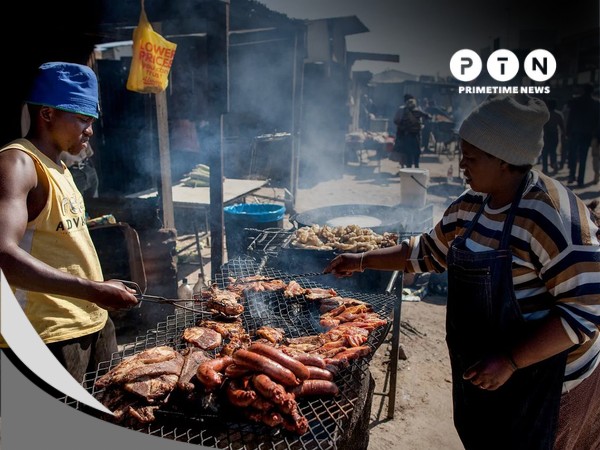
Witnesses say the venue, a popular open‑air braai spot known for its affordable grilled meats, was filled with families and friends when the gunmen entered. According to the South African Police Service (SAPS), five victims died on the scene while another five succumbed to their injuries after being rushed to nearby hospitals. The remaining eleven victims are currently under observation for varying degrees of trauma.
The attackers fired indiscriminately, targeting both patrons and staff. Police have not yet disclosed a motive, but the sheer scale of the violence suggests a possible link to gang rivalry or a targeted retaliation. The lack of an immediate claim of responsibility adds to the uncertainty surrounding the motive.
Police response and investigation
Western Cape Police Commissioner Lieutenant‑General Sizakhele Dyantyi quickly mobilised a multidisciplinary team, led by detectives specialising in serious violent crime, to investigate the massacre. “Detectives are hard at work in search of the perpetrators of the shooting, with no arrests effected yet,” Dyantyi told the media. The team is reviewing CCTV footage, forensic evidence, and witness statements to piece together the sequence of events.
In the wake of the attack, SAPS increased police deployments throughout Lwandle, establishing temporary checkpoints and patrols to reassure residents and deter any further violence. The police have opened murder and attempted murder cases and are urging anyone with information to come forward. All tips will be treated in strict confidence, according to official statements.
For a broader perspective on how South African authorities handle mass‑shooting investigations, readers can refer to the details of the Lwandle shisanyama massacre published by TimesLIVE.
Impact on the community
The Lwandle shisanyama massacre has reverberated beyond the immediate victims. Local businesses reported a sharp decline in foot traffic as fear spreads, and community leaders have called for urgent action to address the underlying causes of such violence. Many residents fear that the attack could be a symptom of the broader surge in gun‑related crime that South Africa has been grappling with over the past few years.
Community groups are organising vigils and counselling sessions for those affected, while religious organisations have offered support to grieving families. The identities of the deceased will be released once next of kin have been notified, a standard protocol that aims to respect the families’ privacy during this painful period.
Comparative incidents and broader context
South Africa has seen a disturbing rise in mass‑shootings at public venues, from taverns to informal eateries. The Sydenham massacre suspect arrested in Melmoth after nearly five years is another recent case that highlights the challenges law enforcement faces in tracking down perpetrators across provincial borders.
Experts point to a combination of factors fueling the violence: illegal firearm proliferation, gang dynamics, and socioeconomic inequality. According to a 2024 report by the Institute for Security Studies, the number of illegal weapons in circulation in the Western Cape has risen by 12% compared to the previous year, creating a volatile environment for public safety.
Efforts to curb the trend include stricter gun control legislation, community policing initiatives, and youth outreach programmes aimed at diverting potential recruits away from criminal networks. However, critics argue that implementation remains inconsistent, especially in under‑resourced townships like Lwandle.
What comes next?
The investigation into the Lwandle shisanyama massacre is ongoing, with detectives following multiple leads. Police have appealed for any information—no matter how small—to assist in identifying the gunmen. As the forensic analysis progresses, authorities hope to reconstruct the exact timeline of the attack and establish whether the shooters acted alone or as part of an organised group.
In the meantime, the community is left to mourn and rebuild. Local councillors have pledged to improve security measures at popular gathering spots, and there is a growing call for a national dialogue on gun violence. The tragedy serves as a stark reminder of the urgent need for coordinated action to protect South Africans from such senseless loss of life.
While the nation awaits answers, the families of the ten victims and the injured continue to seek solace. Their resilience, combined with the determined efforts of law enforcement, offers a glimmer of hope that justice will eventually be served.