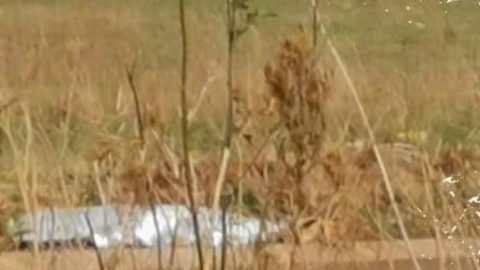

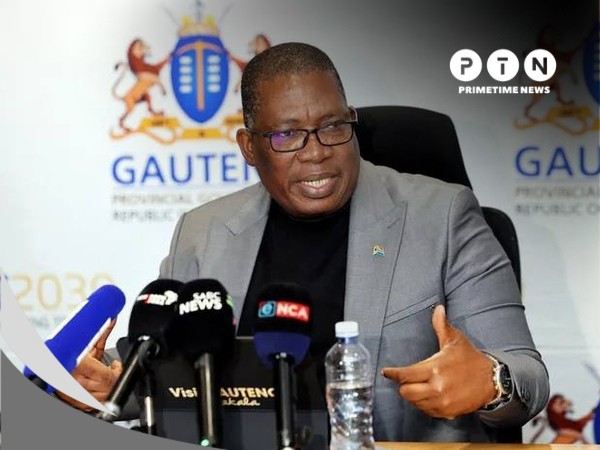
Gauteng Premier Panyaza Lesufi has publicly declared that the province will not stand idle after the grim discovery of a ninth woman’s body in the Ekurhuleni municipality. The 30‑year‑old victim was found half‑naked, wrapped in a sheet on the roadside at Dawn Park, sparking renewed calls for decisive action against a pattern of gender‑based violence that has haunted the region for months.
Escalating tragedy in Ekurhuleni
Since early July, eight other women have been located in various parts of Ekurhuleni, each case raising alarm bells about a possible serial offender or a coordinated criminal network. The latest finding, reported on Thursday, brings the total to nine victims, a number that has intensified public outcry and placed unprecedented pressure on law‑enforcement agencies.
According to the statement from Lesufi confirmed that the authorities are treating the series of deaths as a coordinated crime wave, rather than isolated incidents.
Government’s “push back” pledge
During a press briefing, Lesufi warned, “Someone has declared war against us and we will push back.” He emphasised that the provincial government will not surrender to fear or intimidation, and that the state possesses the capacity to confront and dismantle the criminal elements behind the killings.
The Premier underscored his confidence in a multidisciplinary task team that was assembled shortly after the first body was found. This unit, comprising forensic experts, detectives, social workers and community liaison officers, operates round the clock, delivering hourly briefings to the premier and documenting every piece of evidence collected from crime scenes.
Police response and community appeal
Acting Gauteng Police Commissioner Fred Kekana announced that investigators have received a substantial influx of tips, photographs and eyewitness accounts that could prove pivotal. “The teams are busy following up each and every piece of information provided,” Kekana said, stressing the importance of credible leads.
In a parallel effort to curb misinformation, Commissioner Kekana appealed to citizens to refrain from circulating graphic images of the victims on social media. He warned that such practices fuel panic and may jeopardise ongoing investigations by contaminating the evidentiary chain.
Broader context: gender‑based violence in South Africa
South Africa continues to grapple with high rates of gender‑based violence (GBV). The South African Police Service recorded over 2,800 femicide cases in the 2023/24 financial year, a stark reminder of the systemic challenges faced by women across the nation. Gauteng, as the country’s most populous province, often mirrors national trends, with Ekurhuleni identified as a hotspot due to its dense urban settlements and socioeconomic disparities.
Experts argue that the concentration of cases in a single municipality may point to a localized syndicate exploiting vulnerable women, particularly those involved in informal economies or lacking stable housing. Community organisations have called for more shelters, counselling services, and rapid‑response units to protect at‑risk individuals.
Looking ahead: what the task team aims to achieve
The multidisciplinary team’s roadmap includes forensic DNA analysis of the recovered clothing, CCTV retrieval from nearby streets, and a comprehensive review of missing‑person reports filed over the past six months. By triangulating data, investigators hope to identify patterns—such as common travel routes or shared acquaintances—that could lead to a suspect.
Lesufi reiterated his belief that the task force’s past successes in cracking high‑profile cases, such as the 2022 Durban traffic crash on Smith Street & Williams Road, demonstrate its capability to solve this grim puzzle. He urged the public to give investigators the space they need, while also encouraging community members to report any suspicious activity promptly.
As the province mourns yet another loss, the resolve expressed by the premier and the police commissioner signals a renewed commitment to confront the wave of violence head‑on. Whether this determination translates into swift justice will depend on the effectiveness of the task team’s forensic work, the cooperation of the community, and the political will to allocate sufficient resources to curb GBV in Gauteng.