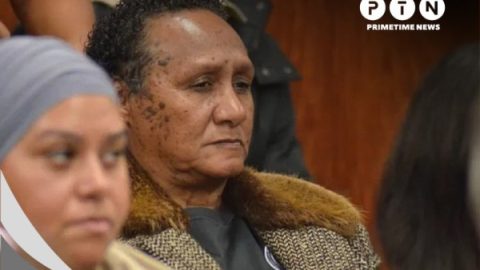


The Khampepe Commission of Inquiry, tasked with investigating alleged efforts to stall or prevent the investigation and prosecution of apartheid-era crimes referred by the Truth and Reconciliation Commission (TRC), continued its public hearings in Newtown, Johannesburg, on May 7, 2026. Chaired by retired Constitutional Court Judge Sisi Khampepe, the commission is examining systemic and individual actions that may have hindered accountability for gross human rights violations from the apartheid period.
The inquiry, formally known as the TRC Cases Inquiry, was established by President Cyril Ramaphosa to determine whether deliberate attempts were made to block progress on cases handed over by the TRC. It is assisted by retired Northern Cape Judge President Frans Diale Kgomo and Advocate Andrea Gabriel SC. Hearings have featured testimony from senior figures in the National Prosecuting Authority (NPA), police, and legal officials involved in post-TRC investigations.
Previous sessions have included evidence regarding delays in prosecuting high-profile cases such as the Cradock Four murders. Former acting National Director of Public Prosecutions Nomgcobo Jiba has denied any role in the disappearance or mishandling of the Cradock Four docket. Other witnesses, including former NPA officials, have spoken about resource constraints, political pressures, and internal decisions that affected case progression in the years following the TRC’s work.
Advocate Shamila Batohi, the National Director of Public Prosecutions, previously testified about the challenges faced by the NPA, noting that the organisation was stretched thin due to the volume of TRC cases alongside other high-priority matters, including those from the Zondo Commission. Testimony has also touched on interactions between prosecutors, investigators, and political actors during the late 2000s and beyond.
The commission is focusing on patterns of delay, missing dockets, withdrawn investigations, and decisions that allegedly protected perpetrators of apartheid-era atrocities. It aims to establish whether these obstacles resulted from negligence, lack of capacity, or deliberate political interference. Public access to proceedings has been facilitated through live streams and recordings, allowing broader scrutiny of the justice system’s handling of historical cases.
The work of the Khampepe Commission holds significant importance for national reconciliation efforts. Many families of victims have waited decades for justice, and the inquiry seeks to identify accountability gaps and recommend measures to prevent similar failures in the future. Further witnesses are expected in upcoming sessions as the commission builds a comprehensive record of events.
This ongoing judicial process reflects South Africa’s continued efforts to confront its past and strengthen institutional mechanisms for addressing historical injustices.