Karoo Crash: Culpable Homicide Case After 21 Deaths
4 min read

Welcome back! Log in to keep reading without ads.

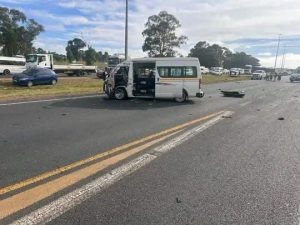
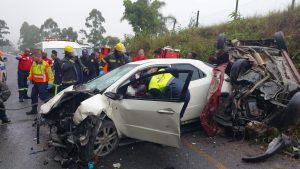
In the early hours of Sunday night, a devastating collision on the N1 highway near Leeu Gamka in the Central Karoo resulted in 21 fatalities. The incident involved two Toyota minibus taxis and a private motor vehicle, and has prompted the Western Cape Police Service to open a culpable homicide case as they investigate the cause of the tragedy.
What happened on the N1?
According to police spokesperson Chris Spies, emergency responders arrived at the scene to find two heavily laden minibus taxis and a single car involved in a high‑speed impact. Eighteen occupants of the taxis were pronounced dead at the crash site, while three others were rushed to the nearest hospital in critical condition and later died on arrival. A further 18 passengers were taken to nearby medical facilities for treatment of serious injuries.
The N1, which stretches from Cape Town to the border with Botswana, is a vital transport corridor for both commercial freight and passenger traffic. Its remote stretches through the Karoo are notorious for long, straight sections that can encourage speeding, especially at night when visibility is reduced.
Understanding culpable homicide in South Africa
Culpable homicide in South African law refers to the unlawful killing of a person without the intent to murder, often resulting from reckless or negligent conduct. When police open a culpable homicide docket, they are signalling that they suspect gross negligence or dangerous driving may have contributed to the deaths. The case will involve gathering forensic evidence, reviewing vehicle data, interviewing survivors, and possibly examining the drivers’ licences and training records.
In recent years, the South African Police Service (SAPS) has intensified efforts to curb reckless driving, particularly on routes frequented by public transport vehicles such as minibus taxis, which carry the majority of daily commuters.
Minibus taxis: the backbone and the risk
Minibus taxis are the lifeblood of South Africa’s public transport system, moving an estimated 10‑12 million passengers each day. Their affordability and extensive network make them indispensable, especially in rural areas like the Karoo where formal bus services are scarce.
However, the sector has long struggled with safety challenges. Overcrowding, inadequate vehicle maintenance, and driver fatigue are common issues that contribute to a higher accident rate compared to private cars. The Department of Transport has introduced stricter regulations, including mandatory roadworthiness certificates and driver training programmes, but enforcement remains uneven, particularly in remote regions.
Impact on the Karoo community
The crash has sent shockwaves through the tightly knit Karoo community. Leeu Gamka, a small town of roughly 7,000 residents, relies heavily on the taxi industry for employment and mobility. Families have lost breadwinners, and many survivors now face long‑term medical care and rehabilitation.
Local authorities have set up a crisis centre to provide counselling and financial assistance to the victims’ families. The Western Cape Department of Health has also dispatched additional trauma teams to the area to cope with the influx of injured patients.
Beyond the immediate human toll, the incident raises broader concerns about road safety on South Africa’s national highways. According to the Road Traffic Management Corporation (RTMC), the N1 accounts for over 15% of the country’s fatal road accidents, a statistic that has prompted calls for more speed‑monitoring cameras and increased patrols in high‑risk zones.
Next steps in the investigation
Investigators will now conduct a thorough reconstruction of the crash. This includes analysing skid marks, vehicle black‑box data (if available), and the condition of the road surface at the time of impact. Witness statements from survivors and any passing motorists will also be crucial in establishing whether factors such as excessive speed, driver impairment, or vehicle malfunction played a role.
If the police determine that reckless driving or negligence was a primary cause, the drivers could face charges ranging from culpable homicide to reckless or negligent driving, each carrying severe penalties under South African law.
The case also underscores the need for ongoing reforms in the minibus taxi sector, including stricter compliance checks and enhanced driver education. Stakeholders hope that the tragic loss of 21 lives will serve as a catalyst for stronger safety measures, ultimately preventing similar disasters on the N1 and other major routes.