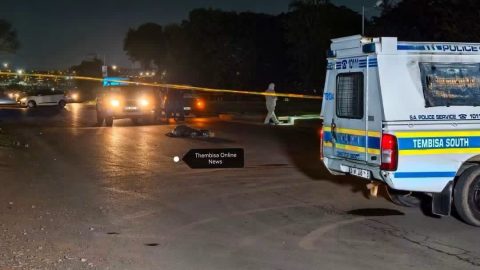


The Jumpers shooting death toll rose to 13 after gunmen opened fire on residents of the Jumpers informal settlement in Johannesburg last week, leaving a community reeling from unprecedented loss. Authorities confirmed thirteen fatalities and fifteen injuries, marking one of the deadliest incidents in the city in recent years. Families now face the painful task of burying loved ones while searching for answers.
Impact of the Jumpers shooting death toll on families
The Jumpers shooting death toll left survivors describing a scene of chaos, with bullets ricocheting off walls and children crying for safety. The injured were rushed to nearby hospitals where doctors struggled to cope with the surge of emergency cases. Relatives of the victims speak of shock, grief and the sudden void left by the loss.
The Jumpers shooting death toll has intensified calls for stronger security measures within informal settlements, where cramped living conditions often make residents vulnerable to random violence. Community leaders gathered on Friday to demand immediate police patrols and better lighting in the area. Many fear that without swift action, further bloodshed could become a grim pattern.
The Jumpers shooting death toll spurred police investigators to arrive at the scene within minutes, securing the perimeter and collecting forensic evidence. The constabulary has announced that a task force will focus on identifying the shooters and establishing a motive. While the investigation is ongoing, officials stress the importance of preserving the integrity of the crime scene.
Historically, the Jumpers shooting death toll reflects broader trends of violent crime in South African townships, where gang activity and gang‑related shootings have surged. According to recent crime statistics, Johannesburg has seen a steady rise in firearm‑related incidents over the past five years. Analysts warn that socioeconomic pressures and limited employment opportunities fuel the cycle of violence.
Families of the deceased are now confronting both emotional trauma and practical challenges, such as funeral costs and lost income. Charitable organisations have stepped in to provide temporary shelter and financial assistance to those displaced by the attack. Counselors are also offering grief‑support sessions to help survivors process their loss.
The Jumpers shooting death toll has prompted non‑governmental organisations to mobilise resources for long‑term community healing. NGOs are organising outreach programmes that combine safety workshops with youth mentorship to deter future violence. Their efforts aim to rebuild trust between residents and authorities after the tragedy.
Government officials have expressed condolences and pledged to review existing security policies for informal settlements across Gauteng. The mayor of Johannesburg announced a special commission to assess the adequacy of public services in high‑risk areas. Critics, however, argue that rhetoric must be matched with concrete investment in policing and social development.
Nationally, the Jumpers shooting death toll adds to a harrowing tally of gun‑related deaths that have sparked debate over South Africa’s firearm legislation. Civil‑society groups are calling for stricter licensing requirements and better enforcement of existing laws. The incident underscores the urgent need for a coordinated response to curb firearms proliferation.
As the city mourns the victims, the lingering question remains how to prevent another tragedy of this magnitude. Communities, law enforcement, and policymakers must work together to address the root causes of violence that have plagued informal settlements for decades. Only through sustained commitment can the cycle of loss be broken and hope restored.
Learn more about our newsroom on our About page.