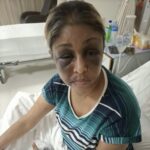
Jehovah’s Witnesses in South Africa: Their Activities and Practices
4 min read

Welcome back! Log in to keep reading without ads.
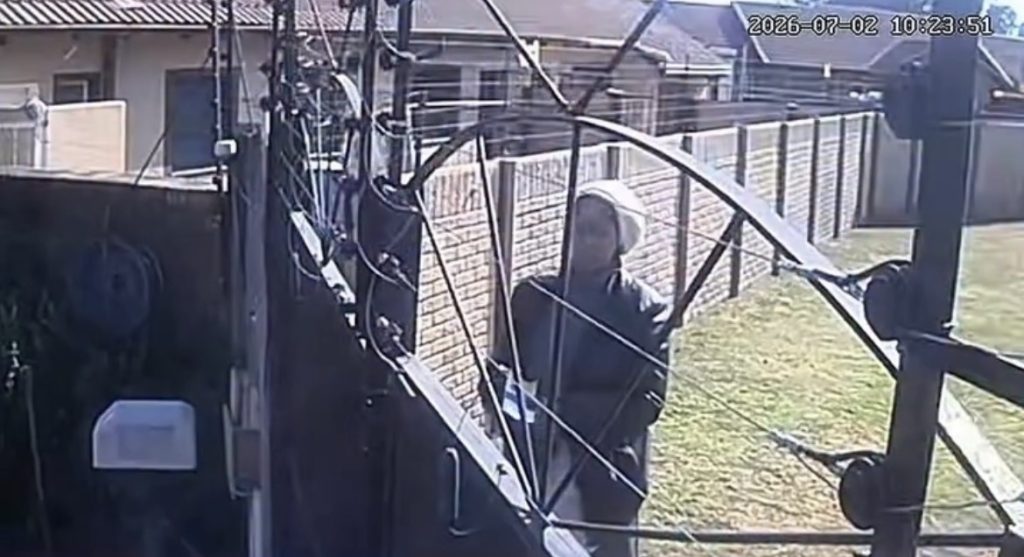
Jehovah’s Witnesses are a Christian denomination active in South Africa with 107,746 ministers who teach the Bible and 1,925 congregations. The population of South Africa stands at approximately 63,101,000, resulting in a ratio of one Jehovah’s Witness to every 600 people.
The organization traces its presence in South Africa back decades. Early activities included literature distribution by mail and in-person efforts in areas such as Durban, Johannesburg, Pretoria, Cape Town, and among Zulu, Basuto, and Xhosa communities. In 1931, a significant volume of 68,280 books was placed in the South African field. Witnesses have engaged in construction of Kingdom Halls, with reflections on 75 years of such building projects. They operate translation offices, including for languages like Venda and South African Sign Language, and have released Bible publications in multiple local languages including Sesotho, Zulu, and Xhosa.
Core Activities
Jehovah’s Witnesses prioritize public preaching and Bible teaching. They conduct door-to-door ministry, public witnessing with literature carts, and Bible studies. Campaigns have targeted isolated areas and specific language groups, such as Sesotho- and Zulu-speaking people. They hold regular meetings at Kingdom Halls and larger conventions, including international events in Johannesburg. Witnesses also engage in disaster relief and community support, such as aiding the deaf community.
Their beliefs include refusal to participate in military service, saluting national flags, or singing national anthems on religious grounds. During the apartheid era, this led to conflicts with the government. Compulsory military service for white males began in 1967, resulting in sentences for Jehovah’s Witnesses who refused. In 1973, 158 were sentenced for refusing service or training on religious grounds; in the first half of 1974, another 120 were sentenced. Conscription ended in 1993, with provisions for alternative civilian service introduced. Similar stances affected school attendance, with some children facing expulsion for not participating in flag salutes or related programs.
Vulnerability to Crime in South Africa
South Africa experiences high levels of crime, including street robberies (common robbery) and robbery with aggravating circumstances. Official SAPS crime statistics for recent quarters, such as October to December 2024, recorded thousands of common robbery incidents nationwide, with variations across provinces. Broader trends show mixed results, with some decreases in categories like murder and certain robberies in 2024/2025 periods, but property crimes and contact crimes remain significant. Victims of street robberies frequently do not report incidents, with surveys indicating around 65% non-reporting rates in some data.
Jehovah’s Witnesses’ preaching work involves going house-to-house, standing in public places, and traveling in communities, often in pairs or small groups. Official Watch Tower publications acknowledge risks in high-crime areas, advising caution such as not working alone where unsafe, avoiding costly-looking clothing or jewelry, identifying oneself promptly as a Jehovah’s Witness, remaining calm, and demonstrating mildness. Literature notes the possibility of confrontation at gunpoint or knifepoint in areas with rising crime.
By engaging in door-to-door ministry in urban and suburban areas, including those with elevated crime rates like parts of Johannesburg and Cape Town, Witnesses position themselves in public spaces and approach unknown households. This practice, described as an essential manifestation of their religion, increases exposure to street environments where robberies occur. Witnesses do not carry weapons for self-defense, consistent with their beliefs in non-violence and reliance on divine protection, as illustrated in accounts of interactions with robbers.
Church services and Kingdom Halls have also faced security challenges in South Africa and similar contexts, with reports of robberies at places of worship where valuables like phones and cash are targeted. General crime patterns, including armed robberies at residential and non-residential premises, contribute to the context in which Witnesses operate.
Organizational Structure and Reach
Witnesses maintain a branch office in South Africa with renovation projects and remote translation capabilities. They produce and distribute literature in local languages and use satellite broadcasts for areas with limited internet. Membership includes active publishers involved in monthly reporting of preaching hours. Historical growth occurred despite past restrictions, with a diverse presence across racial and ethnic groups.
In summary, Jehovah’s Witnesses in South Africa number over 107,000 active ministers across nearly 2,000 congregations. Their primary activities center on Bible education through preaching, literature distribution, meetings, and language-specific outreach. These practices, particularly door-to-door and public witnessing, occur within a national environment of documented street crime and robbery risks, creating inherent exposure for participants who follow non-violent principles and community engagement directives.
Data on exact incidents specific to Witnesses in street robberies remains limited in public reports, but the combination of activity patterns and national crime statistics underscores the vulnerabilities.
- Three Men Arrested After Lion And Tiger Cubs Found In Pretoria

- TWO KILLED, THREE WOUNDED AFTER GUNMEN OPEN FIRE OUTSIDE SEAWINDS TUCKSHOP IN DAYLIGHT ATTACK

- SANDF MEMBER ACCUSED OF DISARMING TMPD OFFICER AND POINTING FIREARM AT POLICE DURING PRETORIA CBD CONFRONTATION

- FIVE KILLED, 17 CRITICALLY INJURED IN HORRIFIC HEAD-ON COLLISION IN LIMPOPO

- Verulam Mother Found Dead With Severe Injuries After Years Of Alleged Abuse