

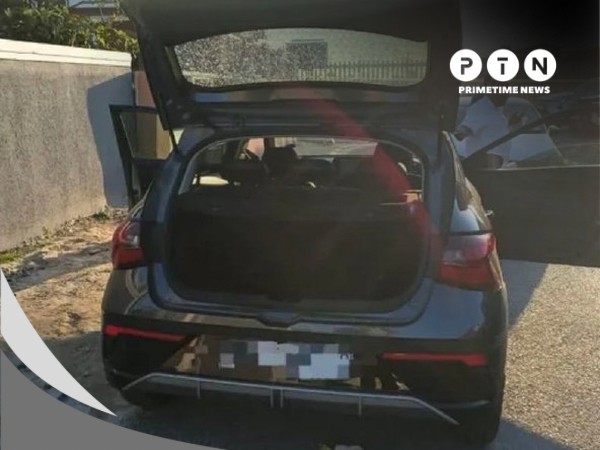
On 30 September, an intense police pursuit on Lawulo Road in Khayelitsha ended dramatically when a 24‑year‑old man was shot after he allegedly waved an imitation firearm at officers of the Anti‑Hijacking Unit. The incident, which has reignited community concerns about vehicle crime, also highlights the challenges South African police face when confronting armed suspects.
How the chase unfolded
South African Police Service (SAPS) officers first spotted a charcoal‑coloured Hyundai with a flagged registration plate moving erratically on Lawulo Road. Recognising the vehicle as possibly stolen, they initiated a high‑speed chase that wound through the densely populated streets of Khayelitsha.
According to SAPS spokesperson Thembekazi Mpendukana, the driver attempted to evade capture by accelerating onto Nothobile Street, but the police were able to block the route and force the car to stop. When the suspect exited the vehicle, he allegedly lifted what appeared to be a handgun and aimed it at the officers.
Officers, trained to respond to armed threats, opened fire. The suspect sustained gunshot wounds to his upper torso and was immediately taken to the nearest hospital, where he remains under police guard. A 23‑year‑old female passenger was also arrested at the scene.
Legal ramifications for the accused
The two detainees now face a suite of charges, including possession of a hijacked vehicle, possession of stolen property, pointing a firearm at law enforcement and reckless driving. They are being held at Lingelethu West police station pending a court appearance at the Khayelitsha Magistrate’s Court.
Under South African law, the offence of pointing a firearm at police can attract a minimum sentence of five years’ imprisonment, with the possibility of a longer term if the weapon is proven to be real. The use of an imitation gun, while technically a lesser weapon, does not absolve the suspect of the charge, as the intent to threaten remains the same.
Community reaction and safety concerns
The Khayelitsha Safety and Security Forum, chaired by Bonga Zamisa, has long warned about a surge in hijackings and vehicle thefts, especially in the Lingelethu precinct. Zamisa told the Daily Voice reported that residents are anxious about the frequency of such crimes and the potential for violent confrontations.
While the police have not yet confirmed whether the Hyundai was linked to earlier thefts, the incident underscores the broader pattern of hijacking in the Western Cape. According to the 2024 SAPS crime statistics, hijackings in the Cape Town metro increased by 12 % compared with the previous year, with townships like Khayelitsha accounting for a disproportionate share of incidents.
Community leaders are calling for more proactive measures, such as increased patrols, better street lighting, and community‑based crime‑prevention programmes. They also stress the importance of public awareness about the dangers of fake weapons, which can quickly escalate a routine stop into a lethal encounter.
Police protocol and the use of force
SAPS guidelines dictate that officers may use lethal force only when they perceive an imminent threat to life. In this case, the suspect’s alleged brandishing of an imitation gun was interpreted as a credible danger, prompting the officers to fire.
Experts note that imitation firearms are increasingly being used in criminal activities across South Africa, complicating police assessments on the ground. A 2023 study by the Institute for Security Studies found that 18 % of reported armed robberies involved replica weapons, a figure that has risen steadily over the past five years.
Training programmes now place greater emphasis on rapid threat identification, de‑escalation techniques, and the use of non‑lethal options where feasible. However, critics argue that the high‑stress environment of a vehicle chase can limit officers’ ability to employ alternative tactics.
Broader implications for crime prevention
The shooting of the hijacking suspect serves as a stark reminder of the intersecting challenges of crime, policing, and community safety in South Africa’s townships. It also raises questions about the balance between swift law‑enforcement response and the preservation of life, especially when counterfeit weapons are involved.
As the legal process unfolds, the incident may become a reference point for future policy debates on police use of force. For a fuller picture of how law‑enforcement actions intersect with community concerns, see the analysis of Ronwen Williams improvement after Khune’s warning, which examines similar tensions in a different sporting context.
In the meantime, residents of Khayelitsha are urged to remain vigilant, report suspicious activity promptly, and collaborate with local safety forums to develop sustainable solutions to the hijacking epidemic.