

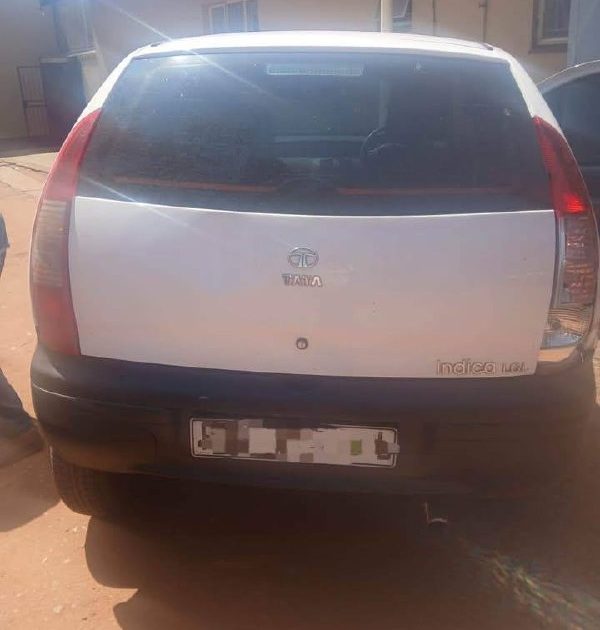
In a coordinated raid that highlighted the South African Police Service’s (SAPS) focus on organised crime, a 37‑year‑old foreign national was taken into custody in Polokwane after a high‑speed pursuit. The suspect, identified as a Nigerian male, was found in possession of significant quantities of crystal methamphetamine and heroin, marking one of the most substantial drug seizures in the region this year.
Intelligence‑led operation uncovers a drug network
The Provincial Organised Crime Unit (POCU) and detectives from the Tzane & Zane region acted on actionable intelligence received on Monday, 14 September 2026. The tip‑off indicated that the individual was operating a supply chain that serviced the suburbs of Mankweng and Tzaneen, using Voortrekker Street in Polokwane as his primary meeting point with buyers.
According to the information, the suspect regularly travelled in a white Tata Indica, a compact hatchback popular among informal traders for its low profile. When officers located the vehicle on Voortrekker Street, the driver attempted to flee, prompting a short but intense car chase that ended at 37 Plein Street, where the suspect was finally apprehended in the yard of a residential property.
Seizure details and estimated street value
During the search of both the suspect and his vehicle, officers recovered 345.4 grams of crystal methamphetamine and 211.5 grams of heroin. When combined, the haul weighs in at more than half a kilogram of hard drugs, with a rough street valuation of around R50 000 (approximately US$2 800 at current exchange rates). This quantity is sufficient to supply dozens of users in the local area, underscoring the seriousness of the offence.
Crystal meth, locally known as “tik,” has surged in popularity across South Africa over the past decade, driven by its low production cost and high profit margins. Heroin, though less prevalent than meth, remains a potent and highly addictive opioid that contributes to a growing public health crisis. The simultaneous presence of both substances suggests the suspect was part of a diversified trafficking operation, capable of catering to varied market demands.
Legal proceedings and potential penalties
The suspect was formally charged with drug dealing and possession under the Drugs and Drug Trafficking Act. He is scheduled to appear before the Polokwane Magistrate’s Court on Tuesday, 15 September 2026. If convicted, South African law mandates severe penalties for trafficking quantities exceeding 100 grams of methamphetamine or 50 grams of heroin, including lengthy imprisonment and substantial fines.
South Africa’s legal framework also provides for asset forfeiture, meaning any proceeds derived from the illicit trade could be seized by the state. This approach aims to dismantle the financial underpinnings of organised crime, complementing traditional criminal prosecutions.
Broader context: organised crime and drug trends in Limpopo
Limpopo province has experienced a noticeable uptick in drug‑related incidents, particularly in the northern districts bordering Zimbabwe and Mozambique. Smuggling routes often exploit porous borders, allowing traffickers to move precursor chemicals for meth production and raw opium for heroin conversion. The Provincial Organised Crime Unit, established in 2018, has intensified its focus on these cross‑border networks, employing a mix of surveillance, undercover work, and community intelligence.
Recent statistics from the SAPS show a 23 % increase in methamphetamine seizures in the province between 2024 and 2025, while heroin incidents have risen by 12 % over the same period. Community leaders attribute part of this surge to unemployment and limited access to rehabilitation services, which create a fertile environment for drug dealers to thrive.
Community response and prevention efforts
Local NGOs and municipal authorities have ramped up awareness campaigns, targeting schools and township youth with education on the dangers of drug abuse. Initiatives such as the “Safer Communities” program, funded jointly by the national government and private donors, aim to provide alternative livelihoods and counseling services to at‑risk individuals.
Police spokespersons emphasise that intelligence gathered from community members was instrumental in locating the suspect. Residents are encouraged to report suspicious activity via the SAPS + app or local police stations, reinforcing the collaborative model that underpins successful operations like this one.
The arrest of this foreign national sends a clear signal that the SAPS will continue to pursue drug traffickers, regardless of nationality, and that coordinated intelligence can yield decisive results. As the case proceeds through the courts, authorities hope the outcome will deter similar operations and contribute to a safer, drug‑free environment for the people of Polokwane and the wider Limpopo region.