

Authorities continue to grapple with the unsettling series of killings that have rocked Ekurhuleni in recent weeks. The latest development centres on a man taken into custody after a woman’s naked body was uncovered in a field close to the R21 highway in Kempton Park on 15 July. While the police have confirmed his detention at Modderbee Correctional Facility in Benoni, they have yet to verify his citizenship, a detail that could shape the direction of the ongoing investigation.
Discovery of the first victim and immediate police response
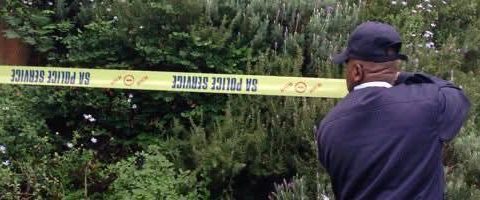
The grim discovery was made by a passer‑by who noticed a motionless figure lying among the tall grass. Forensic teams arrived swiftly, noting that the victim had been bound with cable ties before being left exposed to the elements. The lack of clothing and the method of restraint suggested a premeditated act rather than a spontaneous assault.
Following the find, detectives launched a coordinated search of the surrounding area. Within days, two additional bodies were recovered within a kilometre radius of the initial site, intensifying concerns that a serial offender was operating in the region. The victims, all women, were found in similar conditions, prompting investigators to treat the cases as potentially linked.
Detention, court appearance and the quest for identity
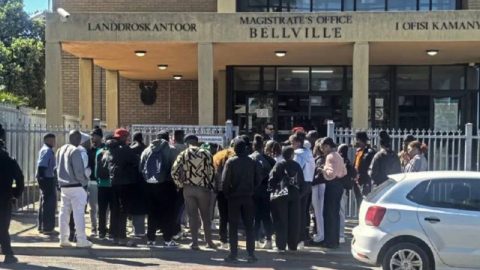
The suspect was apprehended shortly after the first body was located, after police matched his vehicle registration to a car seen near the crime scene. He appeared before the Johannesburg magistrate on Wednesday, where the hearing was adjourned to allow further investigation. He remains behind bars at Modderbee, a facility that houses many high‑profile inmates awaiting trial.
Deputy National Police Commissioner for Policing Lieutenant‑General Tebello Mosikili explained that the police are using fingerprint analysis to establish the man’s nationality. “We are obtaining the prints from both the police database and the prison records. At this stage we cannot confirm whether he is a South African or a foreign national, although preliminary information suggests he is not South African,” she said. Fingerprint identification remains a cornerstone of South African criminal investigations, with the National Forensic DNA Database (NFDD) holding over 1.5 million records, a figure that underscores the system’s capacity to resolve identity questions swiftly according to recent forensic reports.
Potential links to other murders in the area
Beyond establishing nationality, police are compiling intelligence to determine if the suspect could be linked to the two other bodies discovered nearby. Crime analysts are reviewing CCTV footage from nearby toll plazas, interviewing local residents, and cross‑referencing the victims’ personal networks. The pattern of using cable ties and leaving victims unclothed has been noted in other unsolved cases across Gauteng, raising the spectre of a serial perpetrator.
Investigators are also exploring whether the suspect has any prior criminal record, either in South Africa or abroad. If he is indeed a non‑citizen, the Department of Home Affairs may be consulted to ascertain his immigration status, which could have implications for potential deportation proceedings should he be acquitted of the murder charges.
Community impact and police transparency
The string of murders has rattled residents of Kempton Park and the broader Ekurhuleni municipality. Community leaders have called for increased patrols along the R21 corridor, a busy route that connects Johannesburg to the East Rand and is often cited as a hotspot for criminal activity after dark. In response, the Gauteng Provincial Police have announced a temporary boost in uniformed presence and the deployment of additional crime‑scene units.
Police officials are also striving for openness with the public. While they have refrained from naming the suspect, they have provided regular updates through press briefings, a practice designed to maintain public trust while safeguarding the integrity of the investigation. For instance, the recent report on the JHB Flying Squad arrests three suspects, recovers stolen vehicles demonstrated the department’s commitment to informing citizens about ongoing law‑enforcement actions.
What comes next: legal proceedings and investigative milestones
The next court date, yet to be scheduled, will likely involve a formal charge sheet and a bail hearing. Should the prosecution secure sufficient forensic evidence—such as DNA traces on the cable ties or the victim’s clothing—the case could proceed to trial within the next few months.
Meanwhile, detectives will continue to analyse forensic evidence, interview witnesses, and examine any potential connections to other unsolved murders in the province. The outcome of the fingerprint verification will be a pivotal moment; confirming the suspect’s nationality could either narrow the investigative focus or broaden it to include cross‑border criminal networks.
As the community awaits answers, the police’s methodical approach underscores the complexities of modern homicide investigations in South Africa. By combining traditional police work with advanced forensic technology, authorities hope to bring closure to the families affected and restore a sense of safety to the Ekurhuleni region.