Criminals Impersonating Police Officers in South Africa: A Growing Threat to Public Safety and Trust
4 min read

Welcome back! Log in to keep reading without ads.
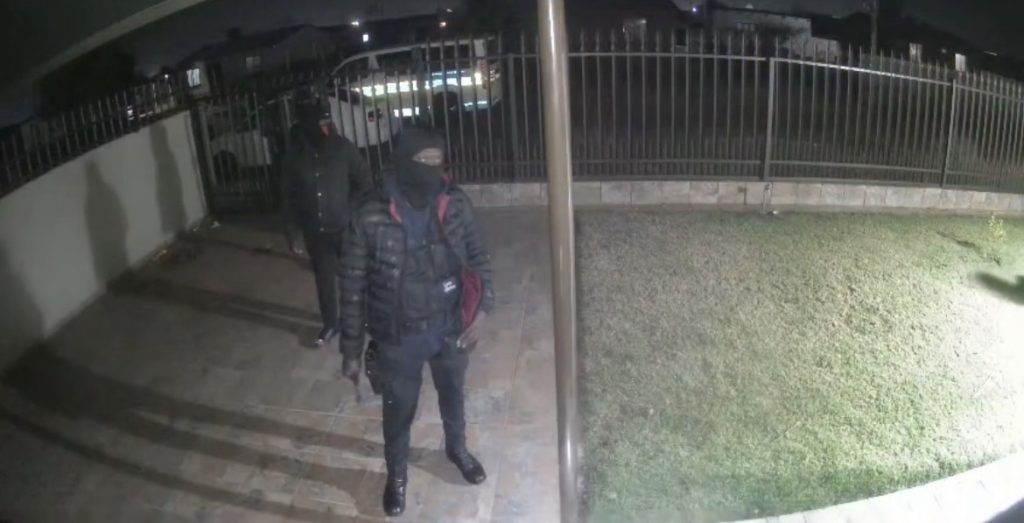
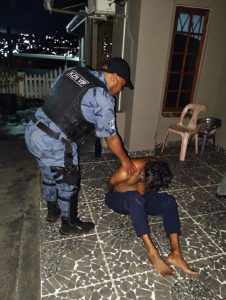
In South Africa, the act of impersonating a police officer is a criminal offence under Section 68 of the South African Police Service (SAPS) Act. Any individual who falsely pretends to be a member of the Police Service, or uses items resembling police uniforms, tools, or equipment without written permission from a National or Provincial Commissioner, faces prosecution. Despite this legal framework, incidents of police impersonation persist, involving both street-level crimes and sophisticated scams that exploit citizens’ respect for and fear of authority.
Criminals employ several methods. Some wear full police-style uniforms, complete with badges, patches, and accessories like duty belts or toy guns that mimic real equipment. Others use unmarked or private vehicles fitted with emergency lights, spotlights, or sirens to conduct fake traffic stops. A Cape Town police officer has described three common forms observed: fully uniformed individuals committing robberies or hijackings; those with complete police markings and equipment; and operators in private cars pretending to be officers. Impersonators also use fake appointment cards, altered identities (such as claiming to be “Colonel” from specialized units like the Hawks), and forged documents like arrest warrants or official letters bearing the SAPS logo.
Recent cases illustrate the variety. In July 2022, a 30-year-old man in Kariega (Uitenhage area) was arrested after being spotted in a police uniform not compliant with SAPS dress code; he possessed a toy gun and could not produce valid credentials. In 2026, a 26-year-old man in another incident was arrested for repeatedly posing as a SAPS member, including wearing uniforms in social media videos and conducting a fake anti-bullying campaign at a school. Two men with fake appointment cards were arrested at a KwaZulu-Natal roadblock. In Alice, two suspects aged 73 and 46 faced charges of fraud and unlawful impersonation after one posed as “Colonel Zweni” of the Hawks, visiting police stations and government offices in uniform to claim authority over corruption investigations.
Phone and online scams represent a particularly widespread tactic. Scammers contact victims via calls, WhatsApp, or video, claiming to be SAPS officers from specific stations or units. They allege the victim’s ID or bank details link to crimes like money laundering, drug smuggling, human trafficking, or counterfeit notes, then demand personal information, banking details, or payments to “resolve” the issue. Fake Truecaller listings, spoofed numbers, and doctored warrants add credibility. Sergeant Heinreich Bester of Boksburg North SAPS has been a repeated target of such identity theft for years, with scammers using his name for extortion over fabricated serious charges like rape or sexual harassment. The Southern African Fraud Prevention Service (SAFPS) and SAPS have issued multiple warnings about these tactics targeting individuals and businesses, including guesthouses.
Physical impersonation often leads to direct crimes. Criminals posing as officers have conducted fake stops on roads, leading to robberies, as reported in Johannesburg and Port Elizabeth incidents where drivers were lured into following suspect vehicles. In KwaZulu-Natal, police warned of a rise in house robberies using police impersonation. Impersonators may also target homes with “knock and talk” tactics, gaining entry under false pretenses to steal or gather information.
The impact on innocent, unaware citizens is profound and multifaceted. Financial losses occur through direct theft during robberies or coerced transfers in scams. Psychological trauma is common, with victims experiencing fear, intimidation, and lasting anxiety from encounters that exploit the authority associated with law enforcement. Many law-abiding citizens comply due to respect for police and fear of arrest, only realizing the deception later.
Broader societal effects include eroded public trust in the SAPS. Research and observations link impersonation to reduced confidence in legitimate police, as victims may question whether real officers are corrupt or whether encounters are genuine. This compounds existing challenges with public perceptions of police effectiveness and integrity in South Africa, where trust levels have historically been low. Unreported incidents may occur because some citizens normalize minor abuses or distrust the system. Impersonation undermines legitimate policing, damages the reputation of state institutions, and can deter citizens from cooperating with real officers.
SAPS regularly issues public warnings and makes arrests, emphasizing verification protocols: real officers do not demand payments, airtime, or sensitive details over the phone for “clearing” cases, and citizens should contact official stations to verify. Despite these efforts, the persistence of scams and street-level impersonations highlights ongoing vulnerabilities. Citizens are advised to request official credentials, note vehicle details, and report suspicions immediately, while avoiding compliance with unsolicited demands.
This phenomenon reflects deeper issues of crime opportunism in South Africa, where the symbols of authority are weaponized against the public. Addressing it requires continued enforcement, public education, and measures to strengthen overall trust in law enforcement institutions.
- One Killed, Another Seriously Injured in Fiery M41 Crash Near Cornubia Mall

- Six Dead, Six Seriously Injured in Head-On Collision on R61 in Eastern Cape

- Suspect Arrested After Alleged Attempted Vehicle Break-In at Campbrook Close Property

- Partially Decomposed Body of 25-Year-Old Man Found in Roof Space in Kwa-Thema

- Pedestrian Killed in Collision on Park Rynie Road in Umzinto