Cash-for-Learner Licence Scheme: 8 Charged in Limpopo
4 min read

Welcome back! Log in to keep reading without ads.
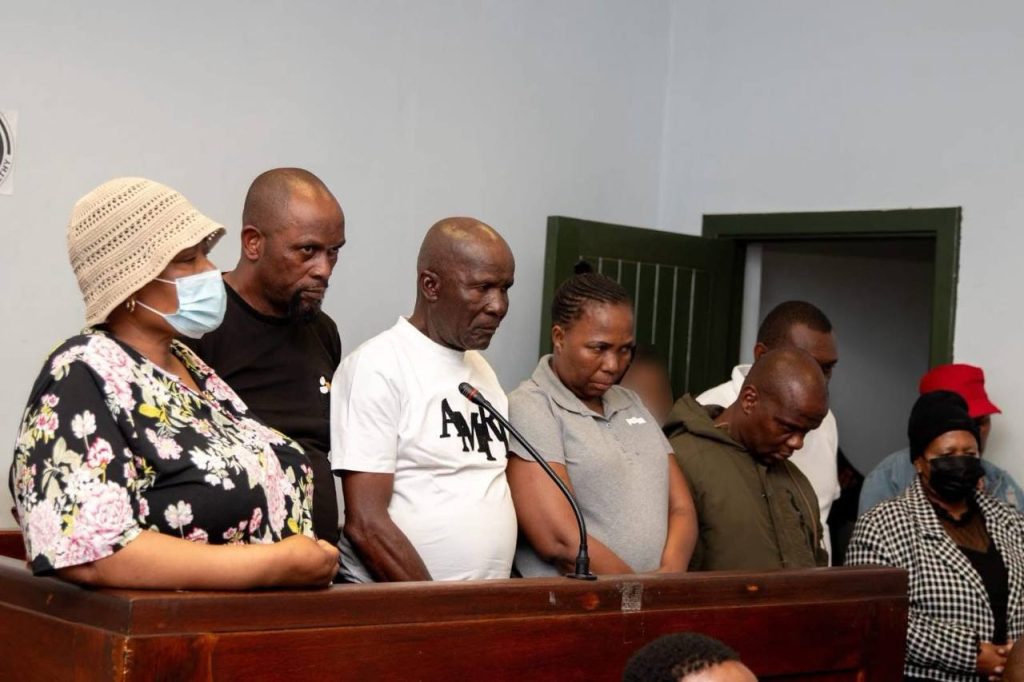
Eight individuals were summoned to Groblersdal Magistrate’s Court on Monday after a joint operation by the Special Investigating Unit (SIU), SAPS Crime Intelligence and the Sekhukhune District Tactical Investigating team uncovered a sophisticated cash‑for‑learner licence scheme at the Marble Hall Driving Licence Testing Centre in Limpopo.
Background to the Investigation
The investigation was triggered after tips reached the SIU about irregularities in the issuance of learner’s licences. The SIU, which operates under the Department of Transport’s proclamation to combat corruption, teamed up with crime‑intelligence units to trace the flow of money and documents linked to the alleged fraud.
South Africa’s licensing system is anchored by the electronic National Traffic Information System (eNaTIS). This database records every learner, provisional and full licence, as well as vehicle registrations. Any tampering of eNaTIS is considered a serious cyber‑crime because it undermines road safety and public trust.
How the Scheme Supposedly Operated
According to investigators, the scheme involved a facilitator based in KwaZulu‑Natal who coordinated with a local accomplice and several staff members at the Marble Hall centre. Applicants were reportedly asked to pay a flat fee of R2,000, a sum that covered the cost of a licence without the need to sit for the mandatory written and practical tests.
Licences were allegedly processed in batches of 20 to 30, suggesting an organised operation rather than isolated incidents. The facilitator is said to have supplied pre‑filled application forms, while the testing‑centre cashiers entered the data directly into eNaTIS, bypassing the system’s verification protocols.
Evidence of cash handling was uncovered during searches of the suspects’ personal belongings. One woman was found with approximately R4,500 concealed in her underwear, and another had about R800 hidden in her bosom, indicating that the cash‑for‑learner licence scheme was not merely a paper trail but involved physical money transfers.
Arrests and Court Appearances
The first wave of arrests took place on 11 September, when four individuals were detained. Among them was a man from KwaZulu‑Natal who was discovered with several learner’s licences in his possession. The other three were senior cashiers at the testing centre, aged 63, 63 and 53 respectively, highlighting that the alleged corruption spanned different age groups and levels of seniority.
Following the initial arrests, four more suspects voluntarily turned themselves in, bringing the total number of accused to eight. The court appearance on Monday marked the formal charging of all eight individuals, with the magistrate ordering them to remain in custody pending further hearings.
Legal Implications and eNaTIS Tampering
All eight defendants face multiple charges, including fraud, corruption and a breach of the Cybercrimes Act. The cyber‑crime charge stems from alleged manipulation of eNaTIS, an offense that carries severe penalties because it compromises the integrity of the nation’s traffic information network.
Under the Cybercrimes Act, unlawful access, alteration or destruction of electronic data is punishable by up to 12 years imprisonment. In this case, investigators allege that the testing‑centre staff entered false data into eNaTIS, effectively creating licences that had no legal basis.
The SIU’s ongoing probe will examine whether higher‑level officials within the Department of Transport were aware of, or complicit in, the scheme. The outcome could set a precedent for how future corruption cases involving eNaTIS are prosecuted.
Broader Impact on South Africa’s Licensing System
South Africa has long struggled with licensing irregularities, especially in rural provinces where oversight can be limited. The Marble Hall case is one of several high‑profile investigations that have exposed vulnerabilities in the learner‑licence process.
In 2022, the National Road Traffic Act was amended to tighten verification procedures, requiring biometric data and stricter background checks. However, the cash‑for‑learner licence scheme demonstrates that even with modernised systems, human collusion can still subvert the process.
Transport Minister Sindisiwe Chikunga recently pledged to increase audits of testing centres and to enhance whistle‑blower protections. If the SIU’s findings lead to systemic reforms, the industry could see tighter controls, more frequent spot‑checks and the introduction of real‑time monitoring dashboards for eNaTIS entries.
For road users, the case serves as a reminder that a licence obtained without proper testing may not reflect genuine driving competence, posing a risk to public safety. The courts’ handling of the eight accused will be closely watched as a barometer of South Africa’s commitment to eradicating corruption from its traffic licensing framework.
As the investigation proceeds, authorities have urged anyone with information about similar schemes to come forward, emphasizing that the fight against licence fraud is far from over.