Bonteheuwel gang shooting claims life of five-year-old child
4 min read

Welcome back! Log in to keep reading without ads.
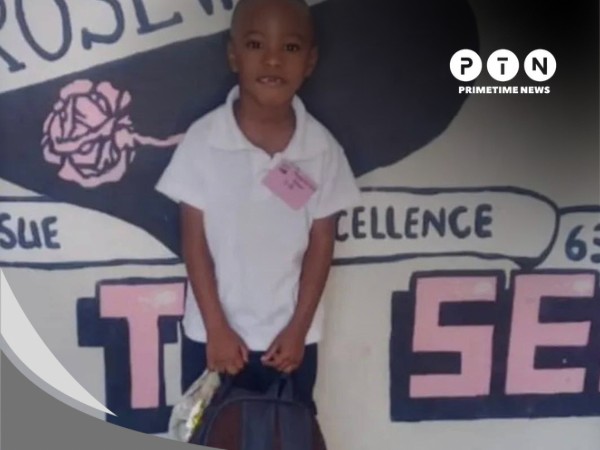
On the evening of 18 November 2026, a routine drive‑by on the corner of Prunus and Rooihout Streets turned fatal for a child. Five‑year‑old Uzair Basson was struck by a stray bullet during a gang‑related shoot‑out in the Bonteheuwel suburb of Cape Town. The boy’s death, confirmed by Ward 50 councillor Angus McKenzie on 26 November, has reignited urgent calls for community members to break their silence and aid the police investigation.
The tragic incident
At approximately 18:30, witnesses reported hearing multiple gunshots in the bustling intersection, a location known for its limited escape routes. Police later identified a 38‑year‑old man as the first victim, who was pronounced dead at the scene. A 49‑year‑old male was also injured, while Uzair and the adult survivor were rushed to a private medical facility. Despite life‑support measures, the child’s condition deteriorated and he passed away at 14:30 on 26 November.
The incident illustrates the indiscriminate nature of stray‑bullet injuries in South Africa’s urban gang hotspots. According to the Daily Voice report, stray‑bullet fatalities have risen by 12 % in the Western Cape over the past two years, a trend linked to the proliferation of illegal firearms.
Community reaction and calls for justice
McKenzie’s public appeal was both a condolence and a plea. “No family should ever have to endure the pain of burying a five‑year‑old child,” he said, extending his sympathies to Uzair’s parents and relatives. He urged anyone with information to step forward, assuring potential witnesses that the community would protect those who speak.
“We need people to speak up. And we need a community prepared to stand with them,” the councillor added, acknowledging the fear that often silences witnesses in red‑zone areas. He provided the Crime Stop hotline (08600 10111) and encouraged direct contact with Bishop Lavis police.
Community leaders have previously organised fundraising and support drives after similar tragedies. For instance, a local campaign that raised R48 000 for a Durban recycler mauled by three pit bulls demonstrates how collective action can bring relief to victims’ families. The fundraiser highlighted the power of solidarity in the face of violence.
Gang violence in Bonteheuwel and Bishop Lavis
Bonteheuwel, part of the Bishop Lavis policing district, is classified by authorities as a “red zone” – an area where gang activity, drug trafficking, and retaliatory shootings are endemic. The Western Cape’s Department of Safety and Security reports that the district records an average of 45 gang‑related shootings per month, many of which occur on main thoroughfares such as the Prunus‑Rooihout intersection.
Historically, the township suffered under apartheid‑era spatial planning that concentrated poverty and limited economic opportunity, creating fertile ground for organised crime. Recent municipal initiatives aim to curb the violence through youth outreach, but limited resources and deep‑rooted rivalries often blunt their impact.
Police investigation and legal process
Detectives from the Bishop Lavis precinct have opened murder and attempted‑murder dockets, according to Police spokesperson Sergeant Wesley Twigg. The unknown shooter fled on foot, leaving behind a trail of ballistic evidence that forensic teams are analysing.
South African law treats stray‑bullet deaths as culpable homicide, but prosecutors can upgrade charges to murder if intent to kill can be proven. The involvement of rival gangs complicates the investigative timeline, as witnesses may be reluctant to identify suspects for fear of retaliation.
The wider impact on Cape Town’s communities
Beyond the immediate grief, Uzair’s death underscores a broader public‑health crisis. The South African Medical Research Council estimates that stray‑bullet injuries account for roughly 2 % of all trauma admissions in Cape Town’s public hospitals, a figure that spikes during peak gang‑conflict periods.
Community organisations argue that addressing the root causes—unemployment, inadequate schooling, and limited recreational facilities—offers a more sustainable solution than policing alone. Initiatives such as the “Safe Streets” project, funded by the national government, aim to install surveillance cameras and improve street lighting in high‑risk zones, hoping to deter criminal activity.
Until systemic change takes hold, the council’s message remains clear: silence only empowers the perpetrators. As McKenzie reminded residents, “Someone knows something. Someone saw something.” The hope is that this tragedy will galvanise the community to cooperate with law enforcement, ensuring that justice is served for Uzair Basson and the other victims of the Bonteheuwel gang shooting.