

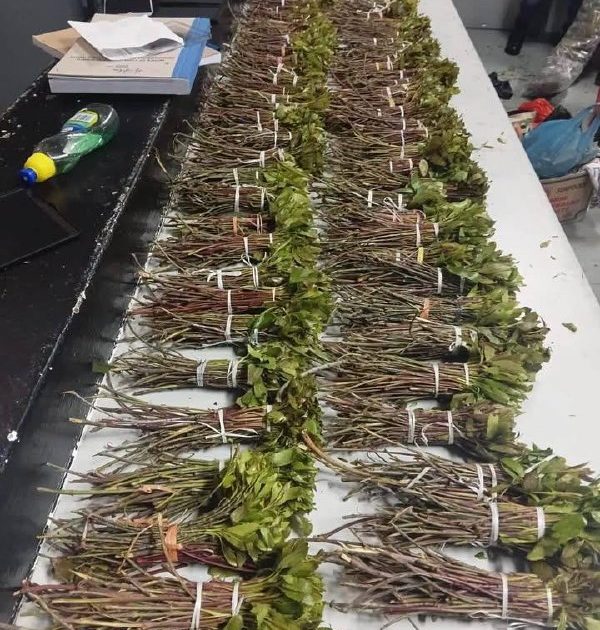
On 15 September 2026, South Africa’s police anti‑drug unit, known as #OperationProsper, executed coordinated raids across Bellville after receiving credible intelligence about illegal substances. The operation highlighted the growing challenge of Khat and crystal meth distribution in the Western Cape and demonstrated the South African Police Service’s (SAPS) commitment to removing drugs from neighbourhoods.
Targeted raid on Voortrekker Road uncovers hidden Khat
Agents arrived at a commercial property on Voortrekker Road, a busy thoroughfare in Bellville, after tip‑offs indicated the presence of contraband. A thorough search of the premises revealed a stash of sixty tightly wrapped bundles of Khat, a stimulant derived from the Catha edulis plant that is popular in parts of East Africa and the Arabian Peninsula. While Khat is not classified as an illegal drug under South African law, its possession and distribution are regulated, and unlicensed trade can lead to criminal charges.
The investigation identified a 24‑year‑old foreign national as the individual responsible for the Khat stock. He was taken into custody and will be presented before the Bellville Magistrates’ Court once formal charges are drafted. The case underscores the cross‑border nature of the Khat market, which often moves through informal networks that exploit gaps in customs enforcement.
Stop‑and‑search on Daffodil Street nets crystal meth
In a separate sweep, Operation Prosper officers conducted a stop‑and‑search on Daffodil Street, located in the residential area of Heinz Park. During the encounter, a male suspect was found carrying fourteen small packets of crystal methamphetamine, commonly known as “tik” in South Africa. Crystal meth is a Schedule 7 substance under the Medicines and Related Substances Act, carrying severe penalties for possession, trafficking and manufacturing.
The 23‑year‑old man was arrested on the spot and will appear before the Athlone Magistrates’ Court on the following Wednesday. His arrest adds to a growing body of evidence that methamphetamine use is spreading beyond traditional hotspots in the Gauteng province into the Western Cape, prompting law‑enforcement agencies to broaden their focus.
Why Operation Prosper matters for community safety
Both arrests form part of a larger strategic push by SAPS to dismantle drug networks that fuel crime, domestic violence and public health crises. According to the South African Community Survey (2023), drug‑related incidents in the Western Cape have risen by 12% over the past two years, with methamphetamine identified as a primary driver of violent offences. By interdicting supply chains early, police aim to reduce the availability of cheap, high‑potency stimulants that often lead to addiction and social destabilisation.
Local residents have welcomed the raids, citing a noticeable increase in petty theft and night‑time disturbances linked to drug use. Community policing forums in Bellville have reported that the presence of Khat stalls in public markets previously attracted crowds that sometimes escalated into altercations, especially when combined with alcohol consumption.
Legal context and potential penalties
Under the Drugs and Drug Trafficking Act of 1992, possession of a controlled substance such as crystal meth can result in up to 20 years imprisonment, depending on quantity and intent. While Khat is not listed as a controlled drug, the National Traditional Healers Act requires a licence for its trade; unlicensed possession can attract fines and imprisonment of up to five years.
The upcoming court appearances will test the robustness of the evidence gathered by Operation Prosper, including forensic analysis of the seized material, surveillance footage, and witness statements. Successful prosecution could set a precedent for harsher sentencing in future drug‑related cases within the Cape Town metropolitan area.
Looking ahead: SAPS strategies and community collaboration
Operation Prosper is not a one‑off effort. SAPS has outlined a multi‑year plan that includes expanded intelligence‑sharing with customs, increased undercover operations in known drug corridors, and targeted education campaigns in schools to deter youth from experimenting with stimulants.
Community organisations are also being enlisted to provide rehabilitation pathways for addicts, a crucial component that law‑enforcement alone cannot address. The Western Cape Department of Health reports that only 30% of methamphetamine users receive formal treatment, highlighting a service gap that authorities hope to fill through public‑private partnerships.
As Bellville residents watch the legal process unfold, the arrests serve as a tangible reminder that drug trafficking is a serious threat to public safety. Continued vigilance, combined with coordinated community action, will be essential to keep the streets of Bellville safer and drug‑free.