Johannesburg, South Africa – 25 March 2026
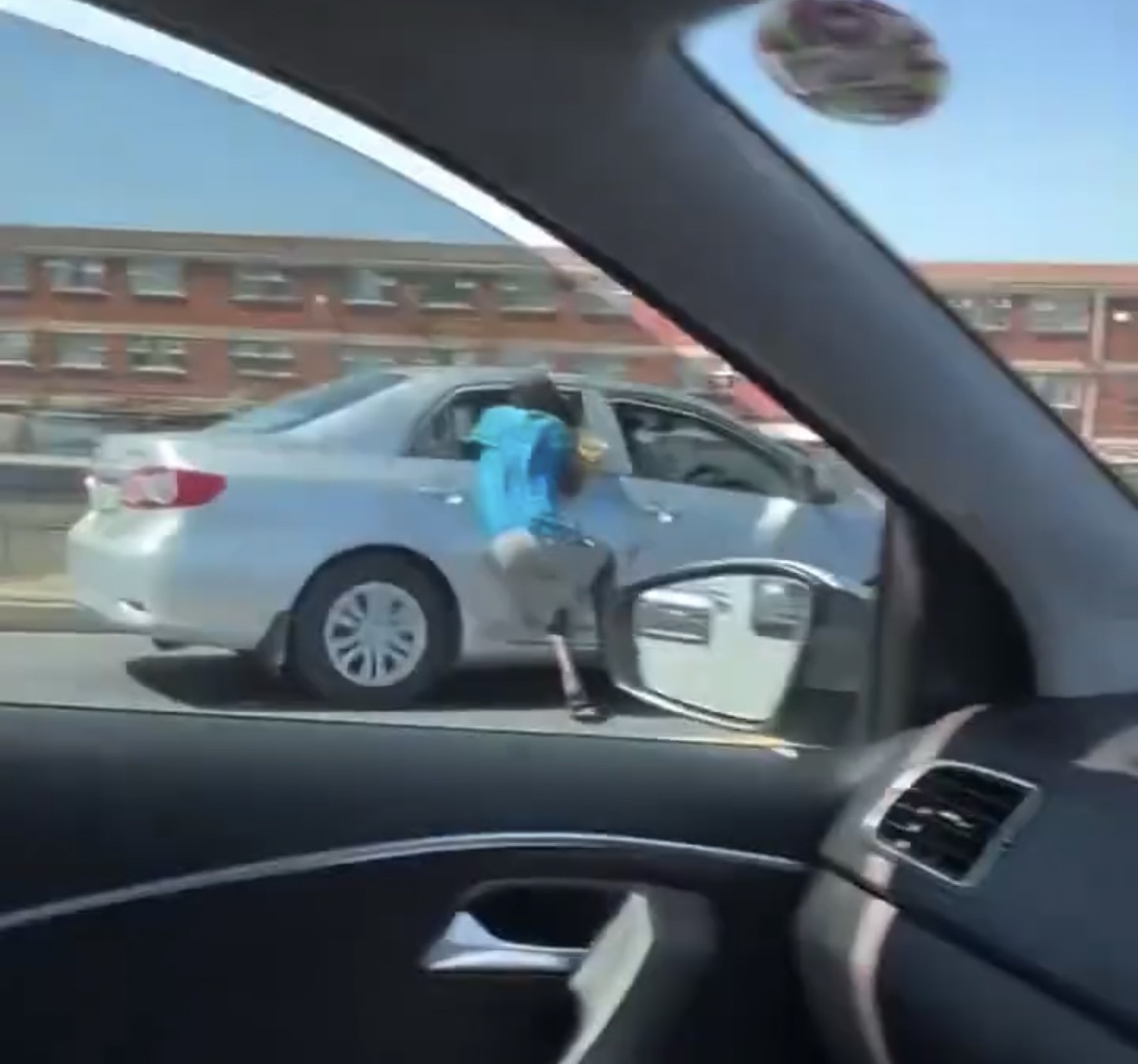
Smash-and-grab incidents, in which criminals smash vehicle windows at traffic lights, stop streets or in slow-moving traffic to steal valuables, continue to affect drivers nationwide. According to data from the City of Cape Town’s Metro Police CCTV network, 215 such incidents were recorded between July 2024 and May 2025, predominantly during late afternoons, early evenings and weekends.
National figures for the broader category of theft out of or from motor vehicles stood at 19,032 reported cases between March 2024 and March 2025. While not every incident qualifies as a smash-and-grab, the statistic reflects the scale of opportunistic crimes targeting stationary or slow-moving vehicles.
Innocent drivers bear the direct consequences. Valuables visible from outside the vehicle—such as cellphones, handbags, laptops or cash—are frequently taken within seconds. Vehicle windows are shattered, causing immediate repair costs and temporary loss of mobility. Some incidents result in physical injury or death. In December 2025, a 64-year-old woman visitor to Cape Town was killed during a smash-and-grab attack near Jakes Gerwel Drive, one of the city’s identified hotspots. A teacher was also reported killed at a separate smash-and-grab hotspot in the same period.
Residents living near high-incidence areas, including corridors such as Bonteheuwel to Langa and sections of Jakes Gerwel Drive, have described ongoing fear of stray bullets linked to smash-and-grab violence. One resident in the area reported a bullet striking his home while he and his wife slept.
The City of Cape Town has responded with increased CCTV monitoring and rapid-response deployments. Between 1 September 2024 and 11 January 2026, the city assisted 2,895 motorists on the N2 between Langa and Firgrove, with 1,061 incidents detected via CCTV. Of reported incidents in that corridor, fewer than 1% were crime-related, yet each can result in damage, injury or death. In the five months leading to December 2025, authorities made 25 smash-and-grab-related arrests.
When victims are armed or manage to turn the tables, South African law permits private defence. Under common law and the Criminal Procedure Act, a person may use force to repel an unlawful, imminent attack provided the response is necessary and reasonable in the circumstances. Lethal force is justified only where the victim or another person faces an immediate threat to life or grievous bodily harm—not solely to protect property.
A documented case occurred on 19 August 2025 in Philippi, Cape Town. Democratic Alliance MPs Ian Cameron, Nicholas Gotsell and Lisa-Maré Schickerling were travelling from an oversight visit when three suspects smashed their vehicle windows with bricks in a smash-and-grab attack. Cameron drew his licensed firearm and shot one of the assailants, stating he acted in self-defence to protect himself and his colleagues. Police confirmed the incident, conducted ballistic testing on the firearm, and opened an investigation. One suspect was shot; two others were reportedly involved. Cameron maintained the force used was reasonable given the imminent threat.
In other reported road-related robberies (distinct from but similar in nature to smash-and-grab), armed victims have on occasion fatally shot attackers. An e-hailing driver in Strandfontein shot dead one alleged robber and injured another during an attempted robbery after dropping off clients; police investigated charges of murder, attempted murder, carjacking and attempted robbery against the suspects.
Criminals involved in smash-and-grab attacks face charges of theft, common robbery or robbery with aggravating circumstances depending on the facts, including use of violence or weapons. When a victim lawfully exercises private defence, the perpetrator may suffer injury or death without the victim facing criminal liability, provided the force meets the legal test of necessity and proportionality. Police and prosecutors assess each case individually, often requiring ballistic evidence, witness statements and scene reconstruction.
Smash-and-grab crimes, classified under broader theft-out-of-vehicle and contact-crime categories in SAPS statistics, persist despite quarterly national crime releases showing mixed trends in related offences such as carjacking (down 8.1% nationally in Q3 2025/2026) and robbery with aggravating circumstances (down 11.3%). Motorists in affected areas continue to report heightened vigilance, with many installing security window films or altering routes to avoid known hotspots.
All information in this report is drawn exclusively from official police statements, Metro Police CCTV data, court-related reports and verified news accounts of specific incidents.
[WATCH] Sensitive content. Thug shot dead allegedly by a woman he was attempting to rob.
Johannesburg, South Africa – 25 March 2026 – Despite modest declines in some crime categories, violent robberies remain a brutal reality across South Africa, shattering families, instilling widespread fear, and disrupting everyday life for law-abiding citizens. From smash-and-grab attacks on busy streets to high-risk carjackings at traffic lights and highway off-ramps, innocent motorists are increasingly caught in the crossfire of opportunistic criminals who view vehicles and their occupants as easy targets.
According to the latest South African Police Service (SAPS) crime statistics for the final quarter of 2025 (October to December), carjackings dropped by 8.1% to 4,420 incidents nationwide – still averaging nearly 48 hijackings per day. Gauteng province bore the brunt, recording 2,544 cases, more than half the national total. Robberies with aggravating circumstances, which include many armed vehicle thefts, fell 11.3% to 31,088 cases, yet the absolute numbers paint a grim picture of a country where violence often accompanies theft.
For many South Africans, the simple act of driving to work, dropping children at school, or running errands has become an exercise in hyper-vigilance. “I never stop at a red light in certain areas anymore if I can help it,” says Thabo Mthembu, a 42-year-old accountant from Johannesburg who narrowly escaped a carjacking last year. “You see a group of men approaching your window with a gun or a knife, and in that moment, your whole life flashes before you.”
The human cost extends far beyond stolen cars and wallets. Victims of these robberies often suffer severe psychological trauma. Car hijackings, in particular, leave lasting scars: post-traumatic stress disorder (PTSD), chronic anxiety, and a pervasive sense of vulnerability that lingers long after the physical danger has passed. Families report sleepless nights, children developing nightmares, and entire communities retreating behind high walls and electric fences. Economically, the ripple effects are devastating – lost productivity, soaring insurance premiums, and small businesses forced to close or relocate due to repeated attacks on staff and customers.
Residential and non-residential robberies add to the toll, with 5,450 home invasions and 2,942 business robberies reported in the same quarter. These crimes frequently involve violence, turning ordinary homes and shops into battlegrounds. Innocent lives are lost or forever altered: a mother gunned down protecting her children, a pensioner beaten for his meagre savings, or a young professional left paralysed after a brutal assault.
Motorist-targeted robberies have become particularly notorious. Criminals strike at peak traffic times, often in Gauteng hotspots like Alexandra, Mamelodi East, and Kempton Park. Tactics range from forcing vehicles off the road to smashing windows at intersections or staging fake accidents. In one recent incident near Mothibistad, four armed suspects hijacked a taxi at traffic lights, though the driver escaped unharmed. Such events highlight how quickly a routine commute can turn deadly.
Yet, as criminals grow bolder, a quiet shift is occurring among some victims who refuse to be easy prey. South African law permits the use of lethal force in self-defence when there is a reasonable belief of imminent threat to life or serious bodily harm. Courts assess each case on its merits, requiring proportionality and that no reasonable alternatives existed. In several documented instances, armed civilians have successfully defended themselves during robberies, turning the tables on their attackers.
Criminals who target an armed victim now face potentially fatal repercussions. Multiple cases over the years have seen would-be robbers shot and killed or critically wounded during attempted hijackings or home invasions, with the defender later cleared under private defence provisions. While not every armed confrontation ends in death – and excessive force can still lead to murder charges against the victim – the risk is real. Legal experts emphasise that self-defence must be a last resort, but for desperate criminals operating in a high-crime environment, confronting a licensed firearm owner can mean instant and irreversible consequences: arrest, lengthy imprisonment if caught alive, or death on the scene if the victim acts within the bounds of the law.
Police and community leaders continue to urge calm and vigilance rather than vigilantism, noting that mob justice incidents – sometimes targeting the wrong people – only compound the cycle of violence. Meanwhile, authorities point to intelligence-driven operations that contributed to the recent drops in trio crimes (carjackings, house robberies, and business robberies), down 13.8% in the latest quarter.
“`html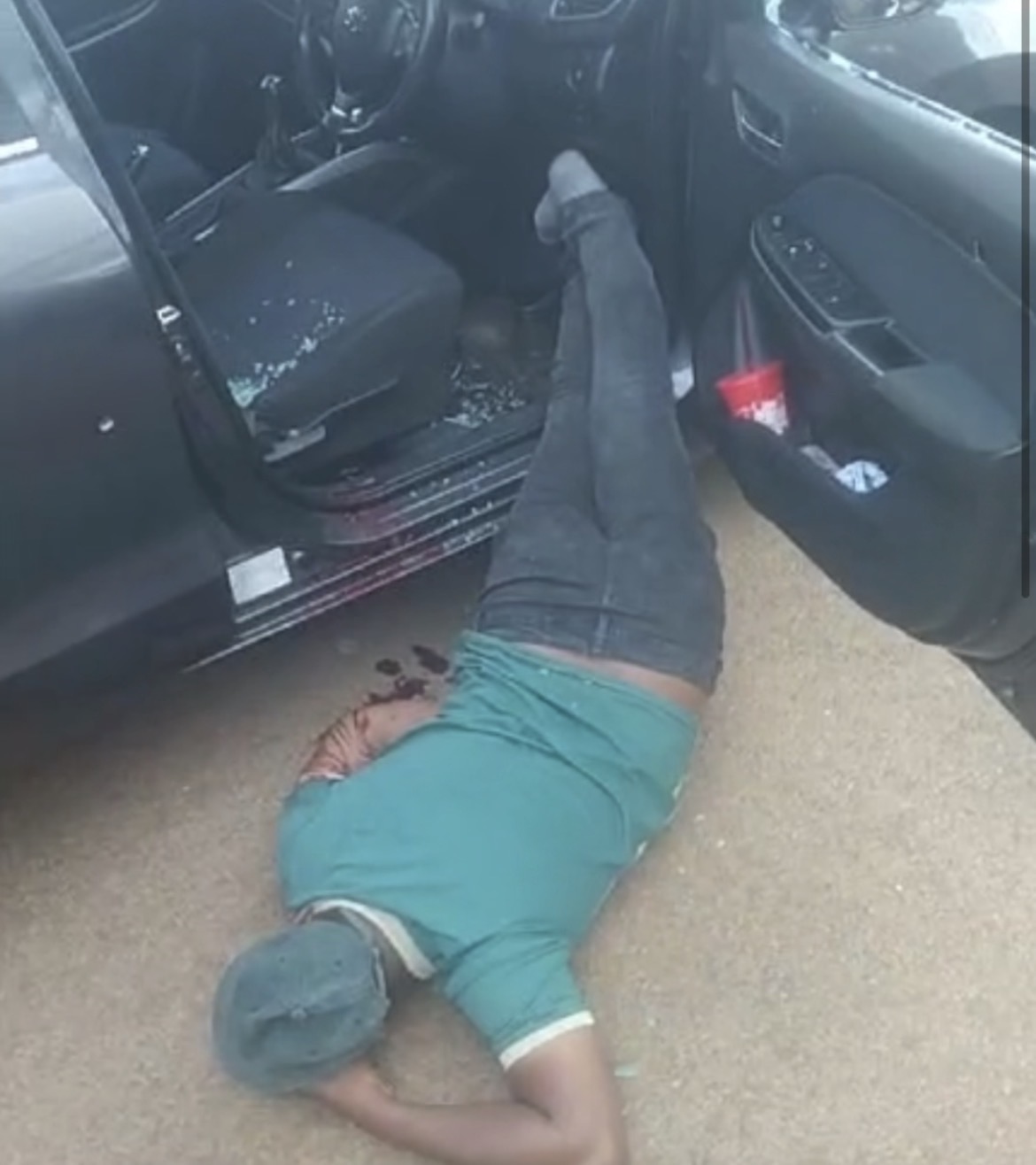

Still, for ordinary South Africans, statistics offer little comfort when fear dictates daily routines. As one survivor of a brutal motorway robbery put it: “They didn’t just steal my car – they stole my peace of mind.” Until comprehensive solutions address root causes like unemployment and organised crime syndicates, robberies will continue claiming innocent lives and forcing citizens to weigh the risks of simply stepping outside their doors.
Kempton Park Residents Urged to Attend Public Consultation on Renaming Kafferboom Crescent in Birchleigh
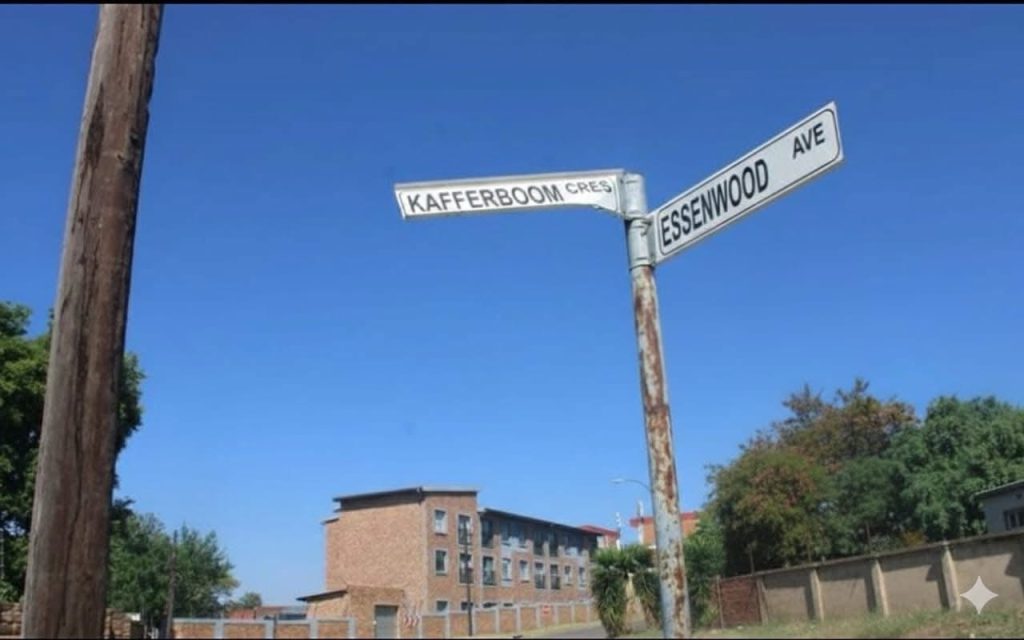
KEMPTON PARK – The City of Ekurhuleni has issued a fresh call for residents to take part in a public consultation process to rename Kafferboom Crescent in the Birchleigh suburb.
The meeting is set for Saturday, 28 March 2026, starting at 09:00 at Coen Scholtz Hall in Kempton Park. Residents are invited to propose and discuss a new street name that promotes community unity, social cohesion and shared values while avoiding division.
According to the city’s geographical naming and renaming policy, the process is designed to eliminate offensive, discriminatory or derogatory names and to ensure decisions are fair, equitable and based on broad public participation. The current name has been identified as racially offensive and inappropriate in a democratic South Africa, with officials noting it represents division and exclusion and runs counter to efforts at reconciliation.
The renaming forms part of a wider initiative first publicised by the City of Ekurhuleni in February 2024 to address public facilities carrying names linked to past injustices. At that time Kaffirboom Crescent (as it was then referenced) was listed among roads targeted for change through the Department of Sport, Heritage, Recreation, Arts and Culture. Public meetings on the broader renaming programme were held in February and March 2024 at venues including Coen Scholtz Recreation Centre in Birchleigh.
Ward 15 Councillor Amanda Davison has repeatedly highlighted the issue. She submitted a formal renaming request in 2019, followed by resubmissions, and has described the name as a racial slur that undermines dignity and inclusivity. In October 2025 she demanded urgent council action, pointing out that a public participation process planned for 2024 had been postponed indefinitely while residents continued to live with the contentious address. Davison has proposed Koraalboom (Coral Tree) as a replacement to reflect the street’s botanical roots and South Africa’s post-apartheid identity. She has vowed to continue pressing the matter until it is resolved.
The consultation on 28 March represents the latest step in fulfilling the city’s commitment to the process. Residents who cannot attend but wish to submit comments or obtain further information may contact Senior Manager for Heritage and Museum Services Fhatuwani Rambau on 011 999 6833, 084 454 6912 or at Fhatuwani.rambau@ekurhuleni.gov.za
City officials have emphasised that the outcome must reflect the views of the community and contribute to a more inclusive environment in Kempton Park and across Ekurhuleni. Residents in Birchleigh and surrounding areas are encouraged to attend the session and have their say on the future name of the crescent.
- Head-On Collision Between Volkswagen Polo and Heavy Vehicle Near Chintsa
- Helicopter Operated by Working on Fire Crashes on Hout Bay Mountainside During Veld Fire Operations in Table Mountain National Park
- Smash-and-Grab Crimes Remain Prevalent Across South African Roads, Targeting Motorists at Intersections and Stop Streets
- Robberies Continue to Haunt South Africa: Innocent Lives Upended as Motorists Face Daily Peril
- Fire Engulfs Historic Botha Sigcau Building in Mthatha, Eastern Cape
12 SAPS Officers Detained in IDAC Probe into R360 Million Health Services Tender
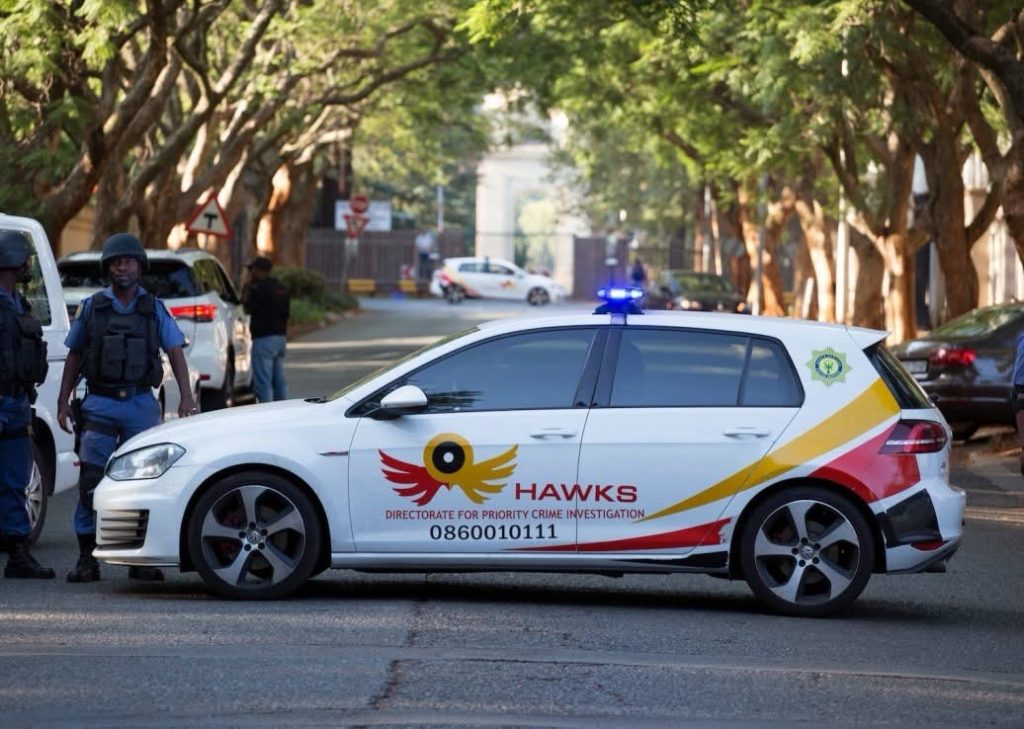
Twelve members of the South African Police Service (SAPS) were taken into custody by the Investigating Directorate Against Corruption (IDAC) on Tuesday night, 24 March 2026.
The arrests form part of an active corruption investigation focused on the award of a R360 million contract for health and wellness screening services to SAPS personnel. The contract was granted to Medicare24 Tshwane District, a company linked to businessman Vusimuzi Matlala.
Investigators have determined that the procurement process followed irregular procedures and are examining the specific involvement of the arrested police officials in securing the tender.
The twelve officers are due to appear in the Pretoria Magistrate’s Court, where they will face charges of corruption, fraud, and contravention of the Public Finance Management Act.
The R360 million tender has been the subject of close examination for several months. Concerns about possible fronting, procurement irregularities, and connections between the contractor and individuals inside law-enforcement structures were first raised during parliamentary oversight meetings and internal SAPS reviews.
The same tender has also featured in proceedings before the Madlanga Commission, which is inquiring into allegations of corruption and interference in the criminal-justice system.
IDAC has confirmed that its investigation remains ongoing and has indicated that further arrests are possible as authorities continue to examine every aspect of the contract award.
Fire Engulfs Historic Botha Sigcau Building in Mthatha, Eastern Cape
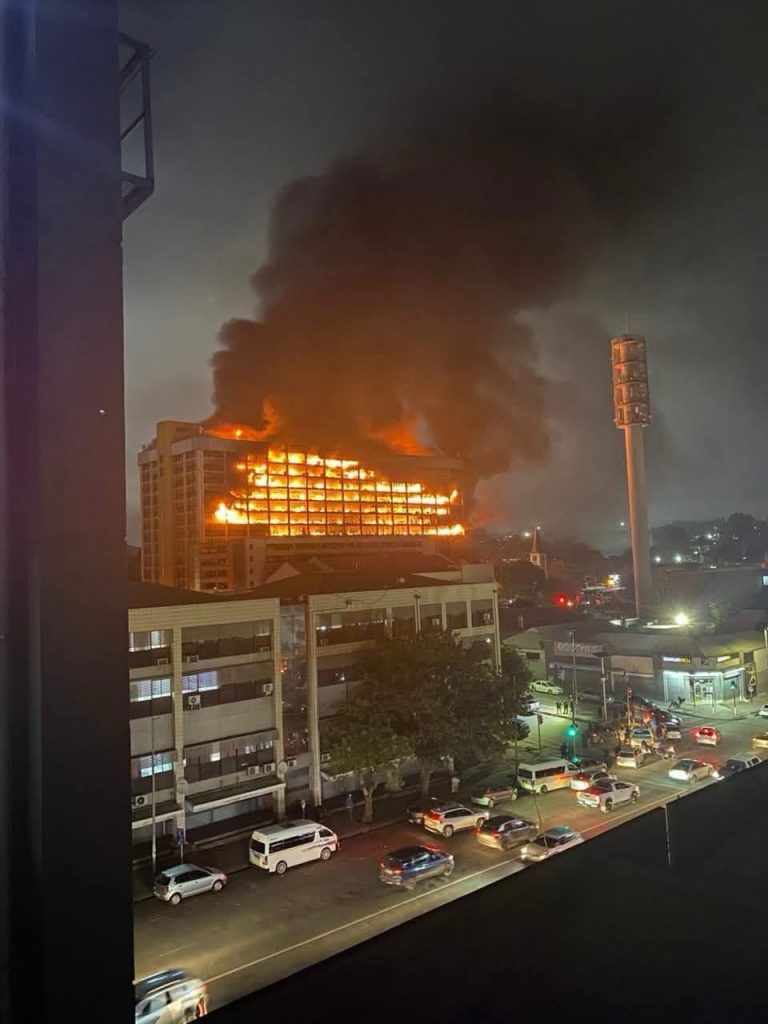
MTHATHA – A major fire broke out at the 11-storey Botha Sigcau Building in the Mthatha central business district on the evening of 24 March 2026. The blaze engulfed the historic government complex, which is situated along Leeds Road.
The Botha Sigcau Building houses more than eleven provincial government departments. These include the departments of Health, Education, Agriculture and Rural Development, Land Affairs, and several others providing essential public services.
Firefighters from the King Sabata Dalindyebo Local Municipality responded immediately and worked through the night to battle the flames. The fire reportedly started on the fourth floor shortly after 19:00. Crews managed to contain the blaze by the morning of 25 March 2026.
The Eastern Cape Department of Public Works and Infrastructure has confirmed it will carry out a full damage assessment of the structure. The extent of the damage to offices, records, and infrastructure is still being determined.
Authorities have stated that the cause of the fire remains unknown. Police and fire investigators have launched a formal probe into the incident.
No injuries have been reported. Government operations housed in the building are expected to face disruptions while the assessment and any necessary repairs are completed.