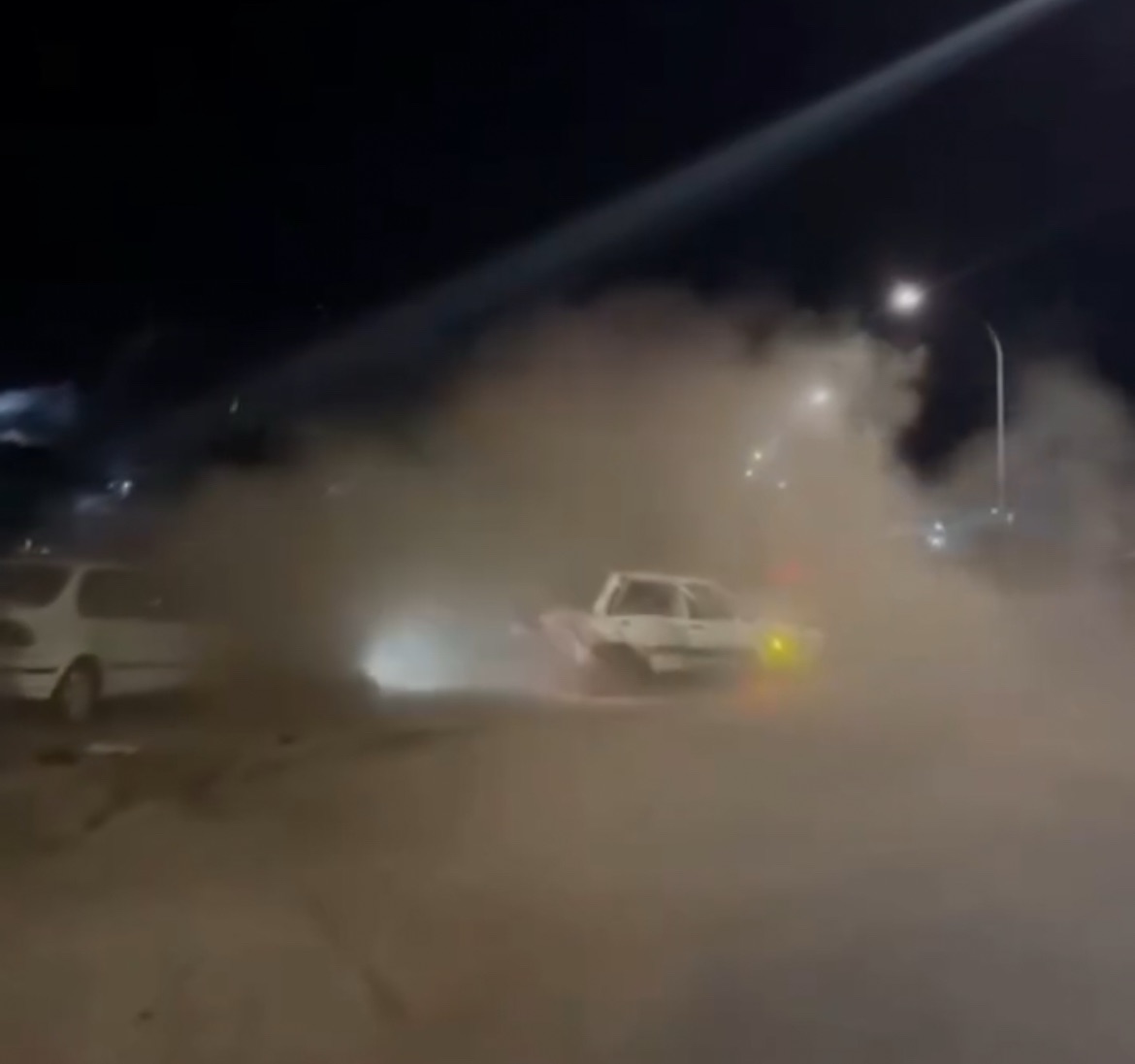
Johannesburg, South Africa – Illegal street and drag racing continues to pose significant risks across South African cities, with multiple incidents resulting in fatalities and injuries to both participants and innocent bystanders. In urban areas such as Johannesburg and Cape Town, public roads are frequently turned into impromptu racetracks, leading to high-speed collisions that threaten the lives of commuters, pedestrians, and other road users.
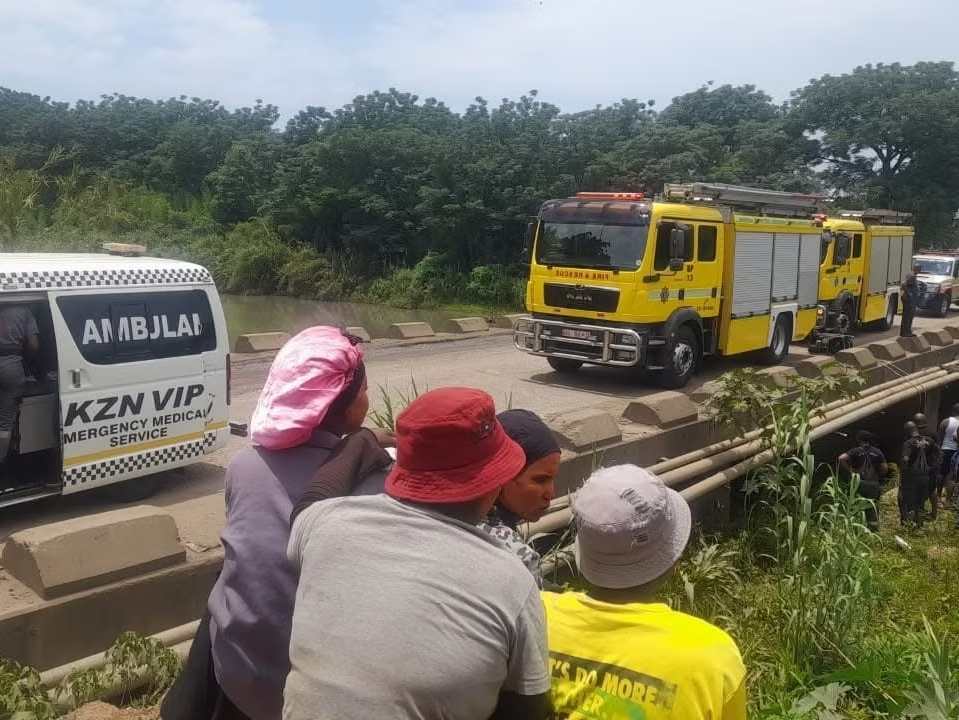
In Johannesburg’s suburbs, including Rosebank, Fourways, Midrand, and Lenasia, racing often takes place during early morning hours or over weekends. On 12 July 2025, at approximately 5:30 a.m., three vehicles engaged in street racing along Jan Smuts Avenue in Rosebank drove on the wrong side of the road before colliding. One racer died at the scene, and an Uber driver who was struck head-on also lost his life. The occupants of the other vehicles reportedly fled. The following day, 13 July 2025, around 8:50 a.m., six or seven high-powered vehicles were observed racing on Allandale Road in Midrand. Residents in Fourways report loud disturbances every weekend morning from modified engines and motorbikes speeding along Cedar Road.
In Cape Town, more than 30 active illegal racing sites operate on Friday, Saturday, and Sunday nights, including sections of the N1 national highway and Strandfontein Road used for drag racing. Participants commonly modify vehicles such as Toyota Corollas, Honda Civics, BMW 318s, Audi Quattros, and Volkswagen Golfs with lowered suspensions, turbochargers, custom engine control units, loud exhaust systems, hood scoops, and rear spoilers. These modifications allow high-performance runs, including quarter-mile drags, but frequently lead to loss of control.
The danger to civilians is severe. On 16 February 2025 in George, a BMW involved in an illegal street race lost control and crashed through the wall of a workshop. In Cape Town on 26 January 2019, a BMW M3 taking part in a race on the N1 near the Sable Road overpass slid across lanes, struck a barricade, went airborne, hit the underside of a bridge, and left the driver with such severe injuries that both legs had to be amputated.
Older incidents also highlight the long-standing problem. In April 2011, three people died during a racing event in Pretoria North.
South Africa’s overall road-death statistics provide grim context: in 2023 there were 10,180 fatal crashes that claimed 11,883 lives, including 5,360 pedestrians. During the 2024/2025 festive season alone, 1,234 fatal crashes resulted in 1,502 deaths nationwide. While not every fatality is caused by street racing, authorities acknowledge that reckless and negligent high-speed driving, including racing, contributes significantly to these numbers.
Law enforcement struggles to curb the activity. Prosecuting illegal racers remains difficult in Johannesburg. In Cape Town, the elite Ghost Squad, established in 2009 with unmarked vehicles, targets drag racing and issues around 8,000 traffic offences monthly. Under the National Road Traffic Act, reckless and negligent driving is a criminal offence punishable by fines, imprisonment, or licence suspension. In March 2025, Cape Town authorities began arresting racers based on video evidence posted on social media platforms such as TikTok, with court hearings starting in May.
Following recent fatal crashes, political pressure has increased. In July 2025 the Democratic Alliance demanded urgent action from Gauteng Premier Panyaza Lesufi, calling for intensified enforcement by the Johannesburg Metropolitan Police Department and the South African Police Service. Questions have been tabled in the Gauteng Provincial Legislature about the number of racing-related incidents and fatalities over the past five years, as well as possible links to gangs or drugs. Several stakeholders have proposed the creation of regulated, legal racing facilities as a safer alternative for motor enthusiasts. Existing legal venues, such as Killarney International Raceway in Cape Town, already host controlled events that attract up to 300 cars and 5,000 spectators on peak nights.
Despite these efforts, illegal street and drag racing continues on public roads, placing innocent civilians at constant risk of death or serious injury from preventable, high-speed collisions.