Johannesburg, South Africa – March 1, 2026
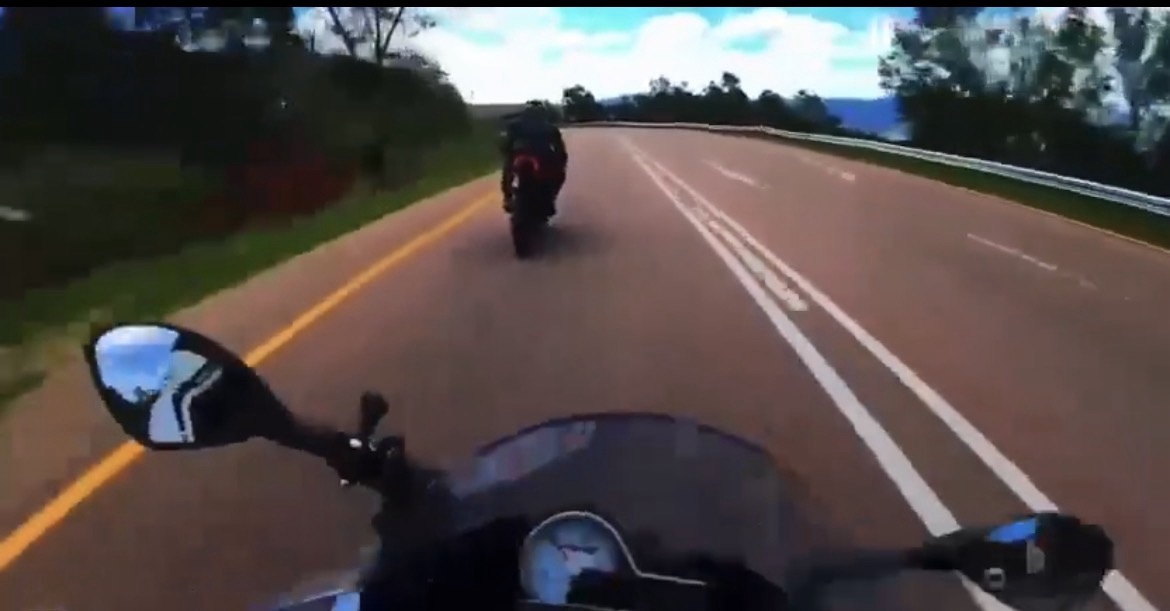
Reckless behaviors such as speeding and unsafe lane splitting by motorcyclists continue to contribute to fatal and serious crashes on South African roads, resulting in significant physical injuries and mental health challenges for survivors and affected families.
Motorcycles account for a small but growing portion of registered vehicles in South Africa, with 358,817 motorcycles registered by the end of 2024, marking a 2.75% increase from 349,215 in 2023. Despite representing only about 2.1% of registered road users, motorcyclists are involved in over 700 accidents annually, based on 2018 data that recorded 183 fatalities and 508 serious injuries. Between 2023 and 2024, fatalities from motorbike accidents rose from 1.9% to 3.2% of all reported road accident deaths. In Cape Town specifically, motorcyclists accounted for 21% of road fatalities in 2024, with pedestrian deaths also increasing from 405 in 2023 to 413 in 2024.
Overall road fatalities in South Africa remain high, with 11,883 deaths from 10,180 fatal crashes in 2023, including 5,360 pedestrian fatalities. During the 2024/2025 festive season from December 1, 2024, to January 11, 2025, there were 1,589 fatalities from 1,286 fatal crashes, a slight increase from 1,552 fatalities and 1,285 crashes in the previous festive period. In the first quarter of 2025 (January to March), fatalities decreased to 2,403 from 2,818 in the same period of 2024, with fatal crashes dropping to 2,050 from 2,327. Across Africa, road traffic deaths increased by 17% between 2010 and 2021, with motorcyclist deaths doubling in the past decade. In South Africa, vulnerable road users like motorcyclists face elevated risks, with motorcycles involved in an average of 14 serious crashes per week in 2018, 75% of which involved another motor vehicle.
Speeding is a key factor in these incidents, often exacerbating injury severity. Lane splitting, also known as lane filtering, is not illegal under the National Road Traffic Act 93 of 1996 and Regulations of 2000, provided it is done safely. Riders may pass vehicles in the same lane on either side, but only at a safe distance and without endangering others. Safety guidelines recommend not exceeding 20 km/h faster than surrounding traffic and avoiding lane splitting when traffic moves faster than 50 km/h. Reckless execution can lead to charges of reckless or negligent driving. Other drivers are prohibited from blocking or discouraging safe lane splitting.
Physical injuries from motorcycle crashes are often severe and multi-regional. In a retrospective review of 134 motorbike collision patients at an urban trauma unit, head injuries occurred in 22.4% of cases, facial fractures in 9.7%, chest injuries in 21.6%, abdominal injuries in 8.2%, and pelvic injuries in 6.7%. Long bone fractures affected 58 patients, with a mean injury severity score of 25, indicating severe trauma, and a mortality rate of 2.2%. Another study of 112 victims showed extremities injured in 70.5% of cases and head/neck in 63.4%, with common injuries including rib fractures, pneumothorax, and haemothorax. Males are significantly more likely to suffer fatal or serious injuries than females. In Africa, motorcycles expose riders to high risks, with common causes including poor road infrastructure and speeding leading to lower extremity, spinal, and head injuries.
The mental health impacts on survivors are profound. Approximately one in four road traffic accident survivors in Africa experiences post-traumatic stress disorder (PTSD). Psychological consequences also include depression, anxiety, and burnout among survivors and emergency responders. A study of South African accident victims highlighted psychosocial correlates such as impaired functioning and various coping strategies
Road safety experts emphasize that proper gear, vehicle maintenance, and mindful riding can reduce accident likelihood by over 50%. With road crashes contributing to thousands of disabilities annually, adherence to traffic laws is critical to protecting innocent lives.
Serious Vehicle Collision Reported on M7 Near N2 Bridge in Durban
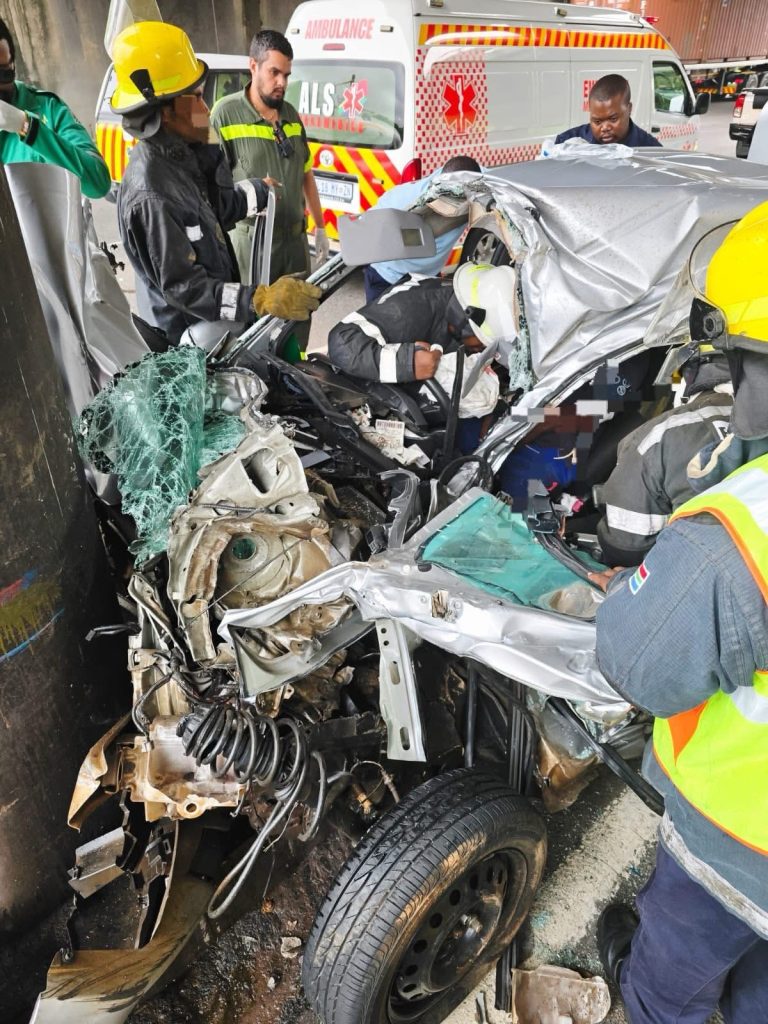
Durban, South Africa – March 1, 2026: Emergency responders are attending to a major accident on the M7 highway in the Bluff-bound direction, directly beneath the N2 bridge. The incident involves vehicle entrapments, requiring specialized extraction efforts.
Advanced Life Support Paramedics have been dispatched to the site to provide medical assistance. Reports indicate that individuals are severely trapped, prompting a coordinated response from rescue teams.
Traffic authorities have advised motorists to steer clear of the affected area due to anticipated delays and road closures. The crash remains ongoing, with further details expected as the situation develops.
No information on the number of vehicles involved or the extent of injuries has been confirmed at this time. Updates will follow as more facts become available.
Five Suspects Arrested, Hijacking Victim Rescued in Midrand Incident
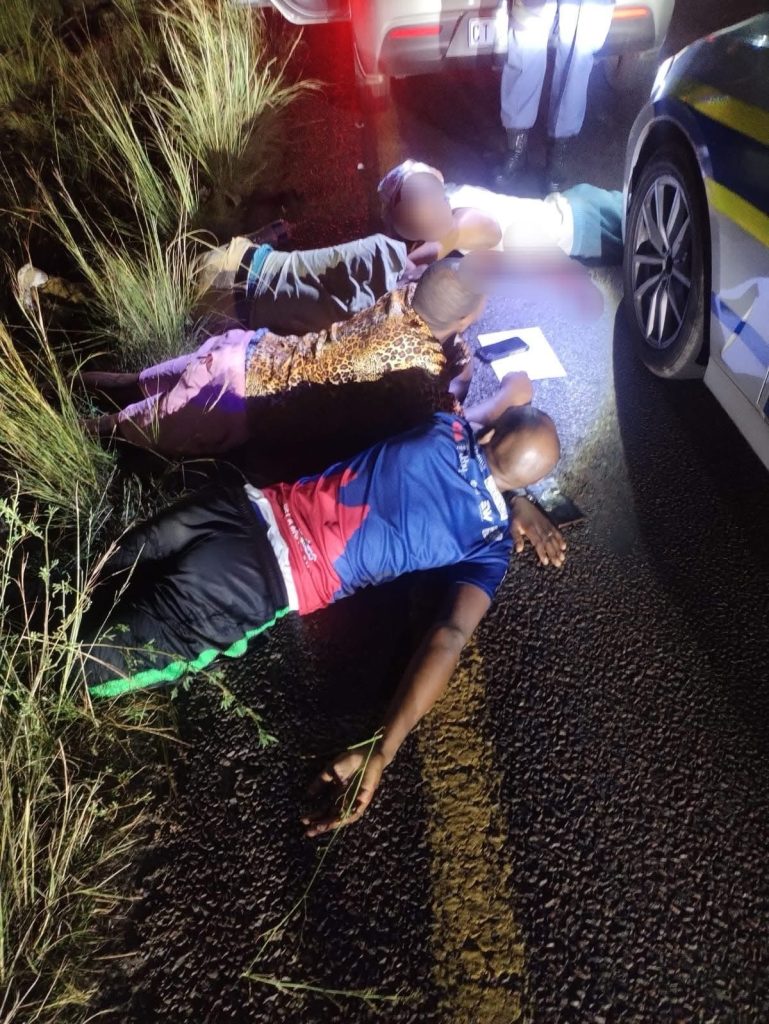
Midrand, South Africa – Authorities arrested five suspects and rescued a male hijacking victim following a shooting incident in Midrand on Friday, February 27, 2026.
The events unfolded around 18:50 when a female community member observed a man being forced into a Kia vehicle and alerted police to the direction of travel. Members of the South African Police Service (SAPS) Gauteng Highway Patrol, conducting routine patrols in a marked vehicle, pursued the suspects after locating the Kia.
A high-speed chase ensued, culminating in the interception of the vehicle. Upon inspection, officers discovered the five suspects and the victim inside. The victim had been hijacked earlier while on his delivery motorbike.
All five suspects were taken into custody. The rescued victim is currently receiving medical treatment. One suspect was transported to a hospital under police guard due to a medical condition.
Police recovered two firearms from the vehicle, which will undergo ballistic testing as part of the investigation. The case remains under investigation.
- Dashcam Footage Captures Armed Robbery of E-Hailing Driver in Westbury
- Essential Guidelines for Managing Minor Vehicle Collisions in South Africa
- Tragic Incident in Hopefield: Two Children Die After Sand Collapse
- Fatal Motorcycle Crash at Jacaranda and Bottelary Road Intersection
- South African Entertainer Ian von Memerty Dies at 61
Iran’s Supreme Leader Ayatollah Ali Khamenei Confirmed Dead Following US-Israeli Strikes
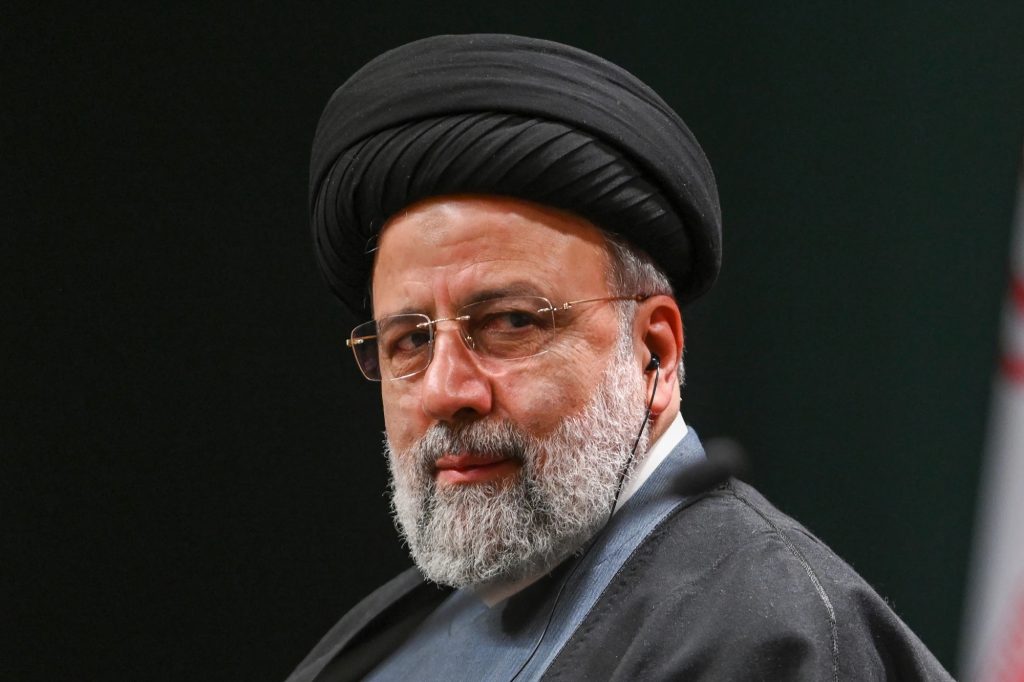
Tehran, Iran – March 1, 2026 – Iranian state media has officially confirmed the death of Supreme Leader Ayatollah Ali Khamenei, who was killed in joint military strikes conducted by the United States and Israel. The announcement marks a significant escalation in the ongoing conflict in the Middle East.
Khamenei, aged 86, had served as Iran’s Supreme Leader since 1989, overseeing the Islamic Republic’s policies and governance for nearly four decades. State-run television channels, including IRIB, broadcast the news early Sunday, displaying archive footage of Khamenei accompanied by a black mourning banner. The statement from Iran’s Supreme National Security Council described Khamenei as having been “martyred” in a “joint attack by the criminal United States and the Zionist regime.”
The strikes, which began on Saturday morning local time, targeted key sites in Tehran and across Iran, including Khamenei’s compound. Reports indicate that the operation involved airstrikes on governmental and military installations, resulting in explosions and damage in multiple cities. Iranian officials reported that the attacks caused significant casualties, including among high-level figures.
In addition to Khamenei, state media confirmed that multiple relatives of the Supreme Leader were killed in the strikes, including his daughter, son-in-law, and granddaughter. These losses were highlighted in official reports as part of the broader impact on Iran’s leadership.
Following the confirmation, Iran declared a 40-day period of national mourning, along with seven public holidays to honor Khamenei. Gatherings of mourners have been observed at significant sites, such as the Imam Reza shrine in Mashhad, where followers paid tribute to the late leader.
U.S. President Donald Trump announced Khamenei’s death prior to Iran’s official confirmation, posting on Truth Social that “Khamenei, one of the most evil people in history, is dead.” Trump described the event as “justice for the people of Iran” and reiterated calls for regime change in the country. The U.S. military stated that the strikes inflicted minimal damage on American installations in the region, with no reported U.S. casualties.
The operation, referred to in some reports as “Operation Epic Fury” and “Roaring Lion,” was a coordinated effort between U.S. and Israeli forces aimed at Iranian strategic sites. Israeli officials confirmed that the airstrike on Khamenei’s Tehran office was part of the assault.
In response, Iran has launched fresh strikes targeting U.S. bases in the region and conducted attacks on Israel and certain Arab states. Iranian Foreign Minister Abbas Araghchi reported additional civilian casualties from the strikes, including over 50 deaths at a school in Tehran. The Israeli military is investigating these claims but has not provided further updates.
This development follows weeks of heightened tensions, with lobbying from Israel and Saudi Arabia influencing the U.S. decision to launch the operation. The strikes represent a major military action intended to disrupt Iran’s leadership and infrastructure, amid broader goals of achieving peace in the Middle East, as stated by Trump.
Reactions within Iran include expressions of grief among Khamenei’s supporters, while some Iranians have shown joy at the news, reflecting deep divisions in the country. Internationally, the event has prompted discussions about potential regime change and the future of Iran’s governance, with figures like Reza Pahlavi, the exiled Crown Prince, being mentioned in relation to possible returns.
The U.S. has indicated that the attacks will continue as necessary to meet objectives. As the situation evolves, global attention remains focused on the implications for regional stability and international relations.