As December 2025 unfolds, South Africa’s festive season draws large crowds to popular beaches and holiday spots, with peak visitor numbers expected around Christmas and New Year. Domestic tourists flock to coastal areas, national parks, and urban hotspots, leading to increased occupancy in accommodations and public spaces.
In Cape Town, beaches like Muizenberg, Camps Bay, and Bloubergstrand see heightened activity, while the Garden Route towns of Knysna and Plettenberg Bay attract families for lagoon cruises and hikes in Tsitsikamma National Park. Further east, Durban’s Umhlanga and the Wild Coast’s Coffee Bay experience similar influxes, alongside Margate in KwaZulu-Natal. Inland, the Kruger National Park remains a top draw for wildlife enthusiasts, with bookings surging during this period.
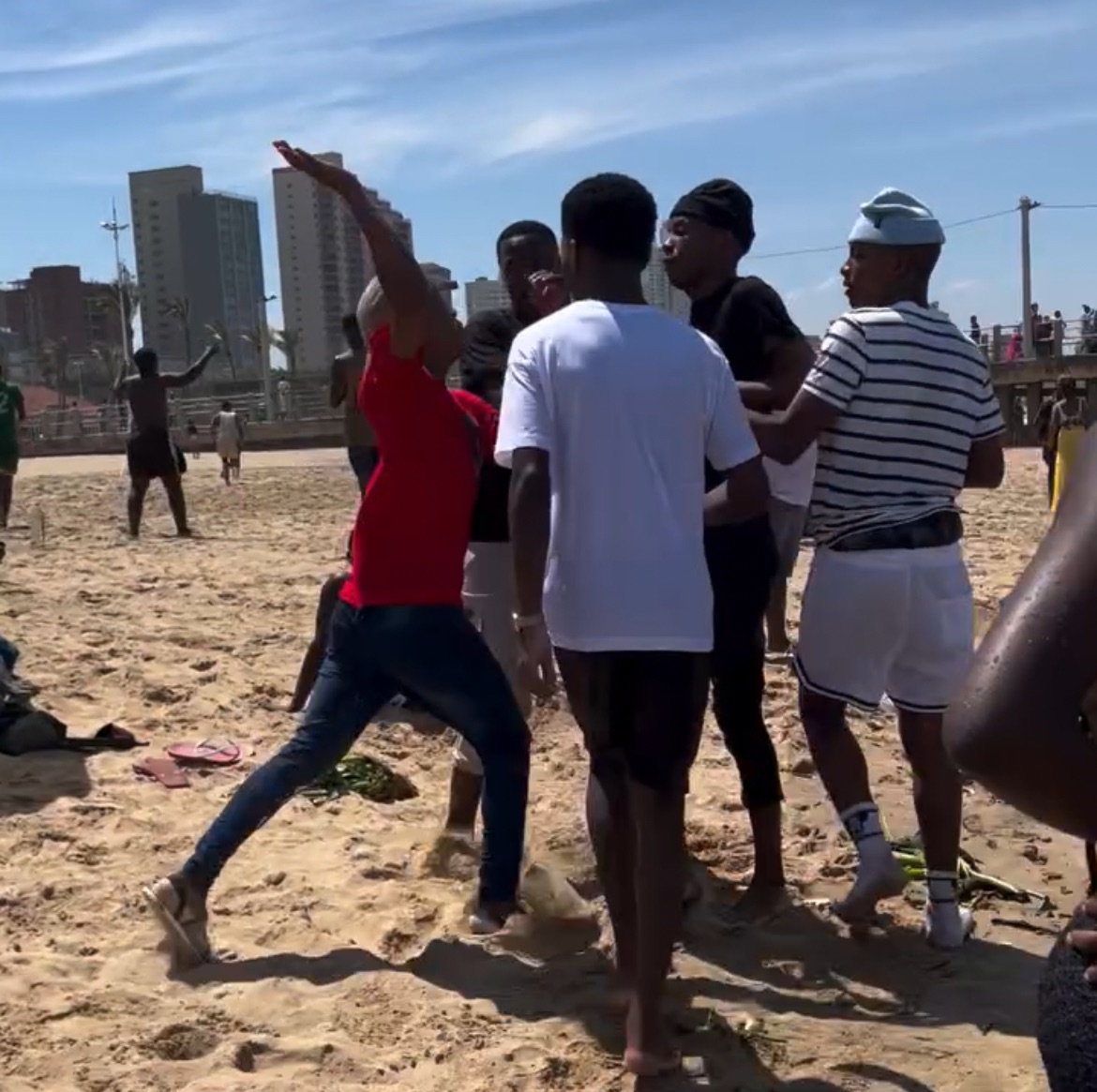
These locations, including Boulders Beach in Simon’s Town and Langebaan Beach in the Western Cape, offer warm sea water and scenic views, but the concentration of people raises risks of conflicts. Historical data shows altercations often stem from racial tensions, as seen in a 2020 incident where lifeguards clashed with holidaymakers on a Durban beach over alleged discriminatory remarks. In 2018, protests erupted at Clifton 4th Beach in Cape Town following reports of assaults and animal slaughters disrupting visitors.
Road rage incidents, such as a 2024 escalation into physical fights at Shelly Beach, highlight how traffic congestion in holiday areas can trigger violence. Crime waves along the Eastern Cape’s Wild Coast, including thefts and assaults, have been documented in 2025 reports, affecting spots like Coffee Bay. Additionally, 2022 poolside fights in Free State resorts led to charges of attempted murder, underscoring racial undertones in some disputes.
To mitigate such incidents in crowded festive environments, authorities and safety experts recommend specific measures. Avoid walking alone in isolated sections of beaches or parks, particularly at night, and remain in well-lit, populated areas. Refrain from displaying valuables like jewelry or cellphones, which can attract unwanted attention and escalate arguments. In cases of rising tensions, disengage from verbal confrontations and seek assistance from nearby security or police, as engaging can worsen situations. Use anti-theft bags in urban holiday crowds, and plan routes in advance to steer clear of known high-risk zones. Respectful communication with others, including during protests or disputes, helps prevent anger from turning violent, according to analyses of past events.
Participation in fights carries significant legal repercussions under South African law. Public violence is classified as a common law criminal offense, with incitement—even via social media—codified under section 17 of the Riotous Assemblies Act, leading to arrests and prosecutions. Offenders face severe penalties, including imprisonment, fines, and civil liability for damages caused. In cases involving injuries, charges can escalate to attempted murder, as evidenced by a 2022 bail hearing where bail was granted but with strict conditions. Broader impacts include economic losses from disrupted tourism, with courts considering social and financial harm in sentencing.
The criminal justice system has been criticized for failing victims, particularly in gender-based violence linked to altercations, perpetuating impunity in some instances.