March 02, 2026
In South Africa, road accidents remain a significant concern, with the Road Traffic Management Corporation reporting thousands of incidents annually. Minor collisions, often involving low-speed impacts with limited damage, require specific legal procedures under the National Road Traffic Act, 1996. Failure to follow these steps can result in fines or legal penalties. Additionally, aggression during such events has been documented in crime statistics, with the South African Police Service (SAPS) noting that from July to September 2024, 1,069 murders stemmed from road rage, arguments, or provocation. This figure highlights the potential for escalation in post-collision interactions. The following outlines the factual, step-by-step processes mandated by authorities such as the Automobile Association (AA) of South Africa and SAPS for handling minor collisions, including measures to address aggressive behavior.
Immediate Actions at the Scene
Under South African law, drivers involved in any collision must stop their vehicle immediately if it is safe to do so. This is stipulated in Section 61 of the National Road Traffic Act, which requires halting to assess injuries and provide assistance. Hazard lights must be activated to alert other road users, as recommended by the AA. If the collision occurs on a public road, vehicles should not be moved until police authorize it, unless they pose a hazard to traffic, in which case they may be shifted to the roadside.
Next, assess for injuries among all parties, including drivers, passengers, and pedestrians. If any injuries are present, even minor ones like cuts or bruises, emergency services must be contacted without delay. The national emergency number is 112 from any cellphone, while 10111 connects to police and 10177 to ambulances. Do not attempt to move injured individuals unless there is an immediate danger, such as fire, as this could exacerbate harm. In cases of no injuries, vehicles can be repositioned to clear traffic flow, but the scene must be preserved for documentation.
Documentation at the scene is required by law. Drivers must exchange personal details, including full names, identity numbers, addresses, telephone numbers, vehicle registration numbers, and insurance information. If the vehicle is operated on behalf of an employer, the employer’s details must also be provided. Photographs of the vehicles, damage, road conditions, and surroundings should be taken, along with sketches if possible. Witness contact details, if available, must be collected. Importantly, drivers are advised not to admit fault or discuss specifics of the incident at the scene, as this could impact insurance claims or legal proceedings.
Reporting Requirements
All collisions must be reported to the police within 24 hours if injuries occur, or on the first working day if no injuries are involved. This can be done at the nearest police station or authorized traffic office, where an Accident Report (AR) form is completed. The driver must present their driving license during reporting. A case number or reference number is issued, which is essential for insurance purposes. If the driver is unable due to injuries, reporting must occur as soon as practicable. Late reporting without a valid reason may lead to a notice to appear in court or an infringement under the Administrative Adjudication of Road Traffic Offences Act.
Insurers must be notified promptly after the incident. This includes providing the police reference number, details of the collision, and any gathered evidence. Many insurers, such as those affiliated with the AA, offer emergency call centers or apps for reporting. Vehicles may need to be taken to an approved assessment center for damage evaluation. Medical consultation is recommended even for minor incidents, as adrenaline can mask injuries, and timely records support claims.
Addressing Aggression and Road Rage
Aggression in post-collision scenarios is a documented issue, with SAPS crime statistics for the third quarter of 2021-2022 showing 1,151 murders linked to road rage or provocation, alongside 1,215 attempted murders and 21,188 grievous bodily harm cases. From October to December 2023, road rage contributed to 1,116 murders, 1,702 attempted murders, and 27,918 assaults with grievous bodily harm. The AA has recorded at least nine fatal road rage cases in a single year. Research indicates that 47% of road rage incidents involve drivers aged 18-25. Prevalence of aggressive driving behaviors is high, with surveys showing up to 95% of drivers experiencing tailgating, hooting, or gesturing as victims.
To handle such situations properly, SAPS advises maintaining calm and avoiding eye contact with aggressive individuals to prevent escalation. Do not respond to provocative actions, words, or gestures, as this can intensify conflict. Be polite and courteous, even if the other party is not. If confronted, remain inside the vehicle with doors locked and windows up. Call 10111 for police assistance or drive to the nearest police station if safe. Keep a safe distance from the aggressive driver and practice defensive driving by allowing them to pass. Do not exit the vehicle or engage in arguments; instead, focus on de-escalation by not honking, flashing lights, or gesturing. Breathing exercises can help manage personal stress, but the priority is to avoid isolated areas and seek populated or official locations.
Legal and Safety Implications
Leaving the scene of a collision is illegal, regardless of damage severity. The Road Accident Fund (RAF) handles claims for injuries, requiring accurate reporting. Aggressive driving, while not synonymous with road rage, includes behaviors like speeding and tailgating, which contribute to incidents. Law enforcement investigates road rage as criminal acts, potentially leading to charges for assault or culpable homicide. Studies by the Medical Research Council and University of Natal confirm road rage is linked to broader societal violence and stress factors.
Adhering to these procedures ensures compliance with South African regulations and minimizes risks. Authorities emphasize that proper handling prevents escalation, with data showing aggressive responses correlate with higher injury rates. For further details, consult official sources like the AA or SAPS websites.
Prisoner Escapes from Hospital Custody in Limpopo
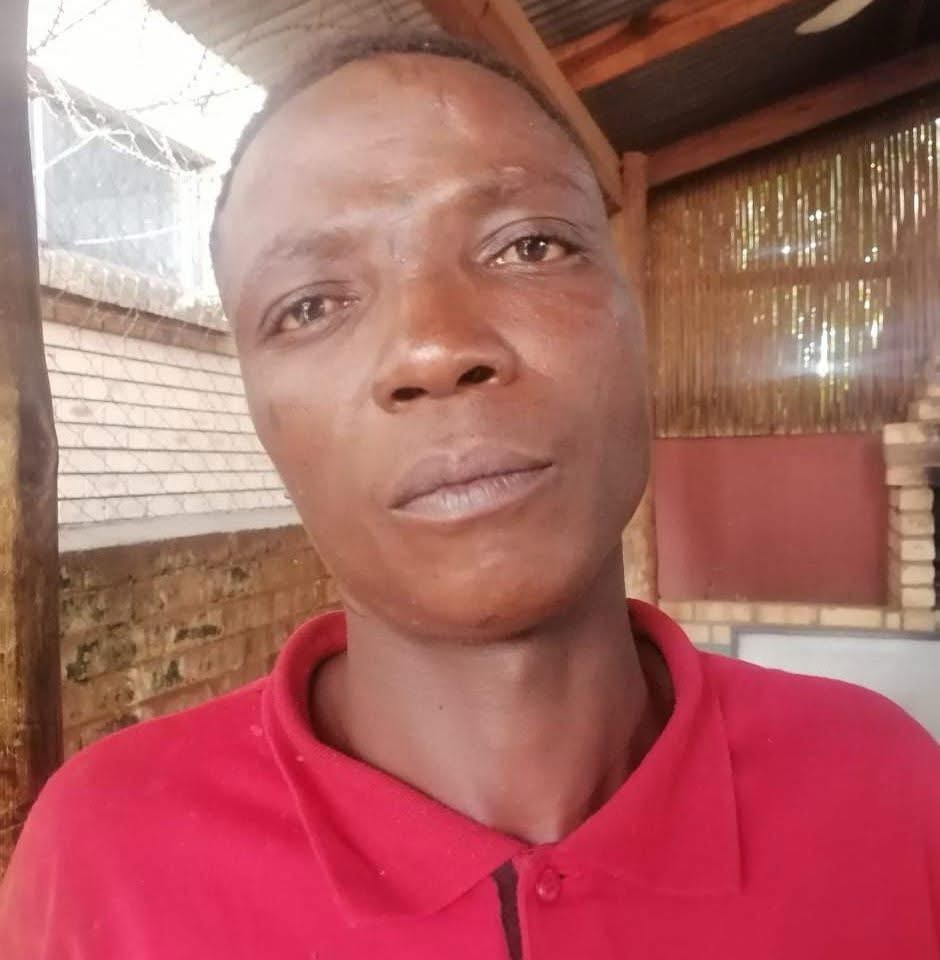
Thabazimbi, Limpopo – A 30-year-old man awaiting trial on charges of business robbery has escaped from police custody while receiving medical treatment at Thabazimbi Hospital.
Sibongeseni Khumalo was admitted to the hospital after being shot during his arrest. He was placed under police guard at the facility.
The escape occurred on Saturday, February 28, 2026, around 18:00. According to preliminary investigations, Khumalo requested to use the bathroom and subsequently fled.
The exact circumstances of the escape are still being examined by authorities. Thabazimbi police have initiated a manhunt to locate Khumalo.
Limpopo Provincial Commissioner of Police, Lieutenant General Thembi Hadebe, has directed officers to utilize all available resources in the effort to apprehend the escaped prisoner.
Fatal Motorcycle Crash at Jacaranda and Bottelary Road Intersection
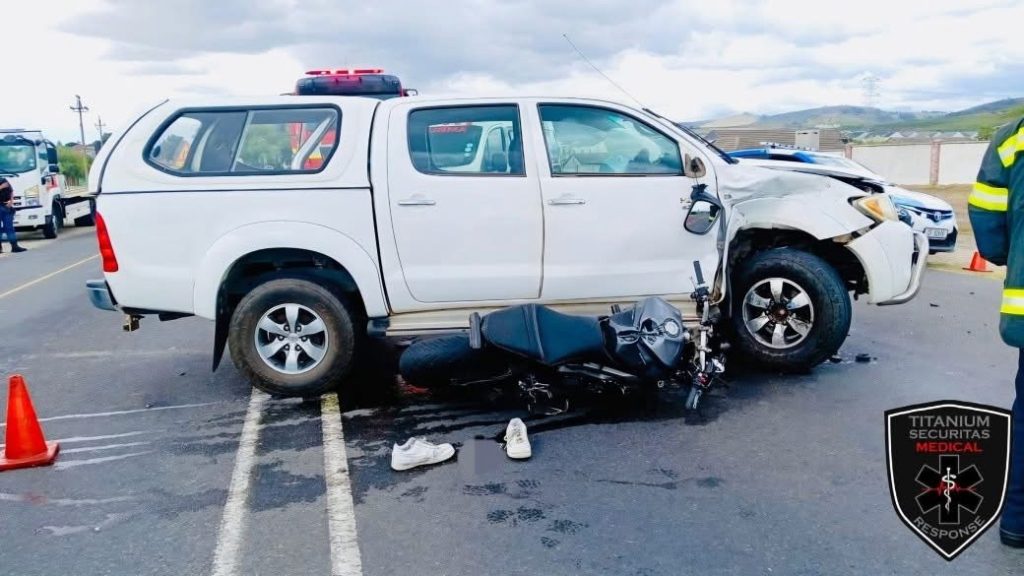
An 18-year-old male motorcyclist was involved in a collision with a bakkie at the corner of Jacaranda and Bottelary Road on March 1, 2026, in the early morning hours.
The rider sustained fatal injuries during the incident and was declared deceased at the scene.
Titanium Medical crews arrived at the location to provide emergency assistance but were unable to save the individual.
Local authorities responded to the crash site to manage the area and begin a comprehensive investigation into the circumstances of the collision.
No further details about the bakkie driver or additional injuries have been released as the inquiry proceeds.
Alleged Familial Assault in Ethekwini, KZN
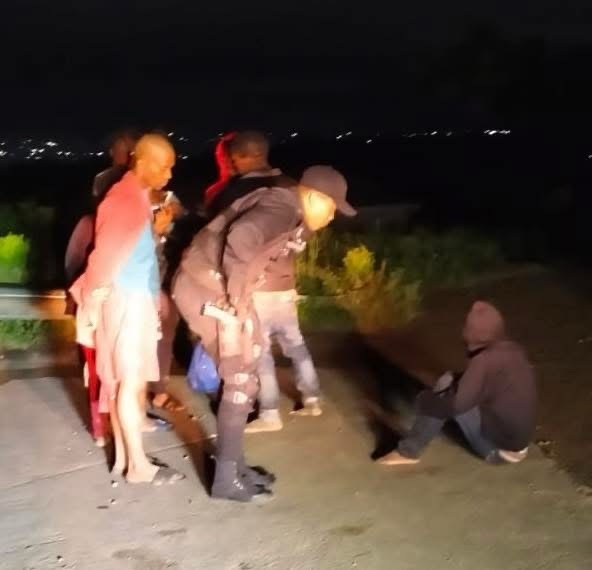
Ethekwini, KwaZulu-Natal – A 38-year-old woman was discovered sleeping on cardboard in a bush area in Ethekwini, KZN, after reportedly fleeing her family home due to an alleged sexual assault by her biological brother.
The woman, who had traveled from the Eastern Cape to visit family, claimed the incident occurred inside the residence. She expressed fears for her safety, prompting her to seek refuge outdoors.
Extended family members arrived at the scene and stated that the woman’s claims were without basis. They also rejected her concerns about personal danger. At the time, the woman chose not to file a formal criminal complaint against her younger brother.
Local authorities, including a specialist unit from the South African Police Services (SAPS), were called to the home to handle the matter further.
Details of the location and identities involved have been withheld for privacy.
- Dashcam Footage Captures Armed Robbery of E-Hailing Driver in Westbury
- Essential Guidelines for Managing Minor Vehicle Collisions in South Africa
- Tragic Incident in Hopefield: Two Children Die After Sand Collapse
- Fatal Motorcycle Crash at Jacaranda and Bottelary Road Intersection
- South African Entertainer Ian von Memerty Dies at 61
South African Entertainer Ian von Memerty Dies at 61

Johannesburg, South Africa – Ian von Memerty, a well-known figure in South African television and theatre, passed away at the age of 61 in Johannesburg on February 23, 2026. The entertainer took his own life in the early hours of the morning at a hotel in the city, a decision he described as an “act of self-deliverance.”
Von Memerty’s family confirmed his death in a statement posted on his official Facebook page. The statement read: “We are sad to announce that our beloved Ian von Memerty passed away at the age of 61 in Johannesburg in the early hours of 23 February 2026.” They requested privacy and respect during their time of mourning.
Born in Zimbabwe, von Memerty had been living in Gqeberha with his family. He suffered from a rare and painful genetic bone disease, which contributed to his decision to end his life. In addition, he faced financial struggles and concerns about ageing and loss of independence.
Prior to his death, von Memerty shared his intentions through a series of videos and posts on Facebook titled “Dying For A Better Life.” In these, he discussed his fears related to declining health and his desire to control his end-of-life choices. He emphasized that his action was not suicide but a form of euthanasia.
Von Memerty was recognized for his contributions to South African entertainment. He hosted “Strictly Come Dancing SA” on SABC3 and served as a judge on “SA’s Got Talent” on e.tv from 2009 to 2012. Earlier in his career, he co-hosted “Muzik a la Carte” with Sandy Ngema.
Following the announcement, tributes from the arts community and fans began to appear on social media and in news reports.