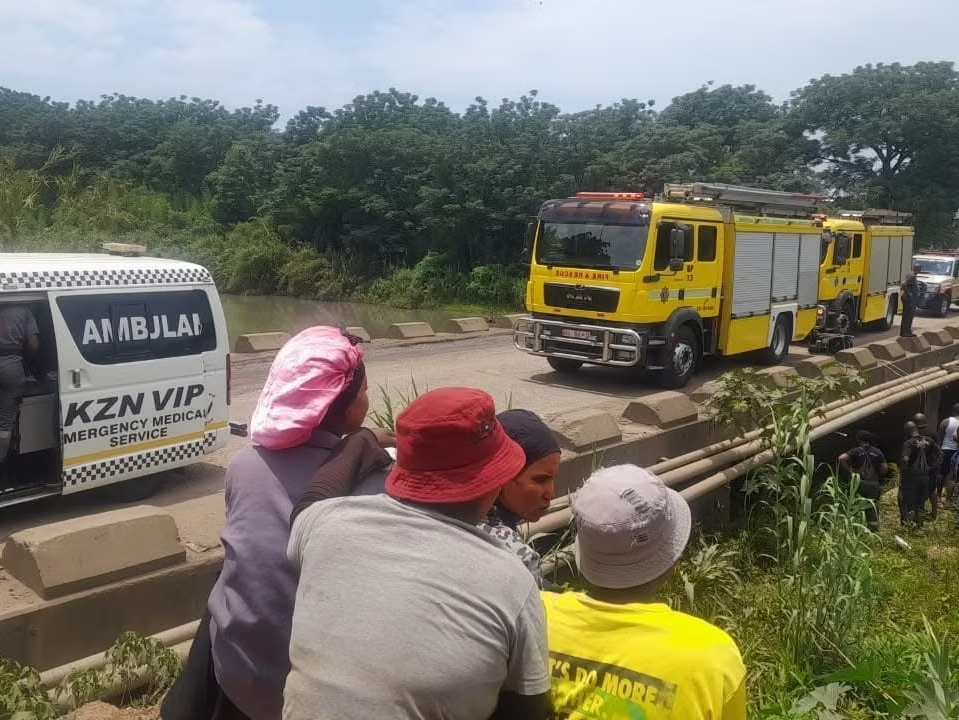

In South Africa, drunk driving continues to contribute significantly to road fatalities and injuries. Research indicates that approximately 50% of individuals who die on the roads have a blood alcohol concentration exceeding the legal limit. Estimates suggest that drunk driving results in around 10,000 deaths annually, with a fatality occurring roughly every 50 minutes due to alcohol-impaired driving. According to official reports, 58% of road fatalities in the country involve alcohol consumption. This rate is nearly three times the global average for alcohol-related road deaths.
The legal framework governing drunk driving in South Africa is outlined in the National Road Traffic Act. The permissible blood alcohol limit for drivers is 0.05 grams per 100 milliliters of blood. Exceeding this threshold constitutes a criminal offense. Penalties for convictions include fines ranging from R2,000 to R120,000, depending on the severity and presence of aggravating factors such as prior offenses or resulting accidents. Offenders may also face imprisonment for up to six years and suspension of their driving license. In cases where drunk driving leads to fatalities, such as manslaughter, sentences can extend further, with potential for additional charges under criminal law. First-time offenders typically receive fines or suspended sentences, along with a criminal record that can impact employment and travel. Courts are required to consider license suspension under section 35 of the National Road Traffic Act. Additional consequences may involve vehicle impoundment and mandatory rehabilitation programs.
Enforcement efforts have led to numerous arrests nationwide. During the Easter period in 2025, authorities arrested 941 drivers for drunk driving and impounded 1,536 vehicles in road safety operations. In March 2025, a total of 9,894 arrests were recorded for drunk driving across the country. Recent operations in the Eastern Cape resulted in over 200 arrests for drunk driving within a two-week span as part of a provincial safety campaign. In KwaZulu-Natal, more than 100 motorists were arrested in a single night for drunk driving in Newcastle. Another 23 arrests occurred in one evening in the same province, with suspects appearing in court shortly after. In the Western Cape, George precinct reported the highest number of drunk driving cases in the province entering the festive season. Nationwide, law enforcement conducted 43 operations targeting drunk driving in early 2025, identifying high-risk zones through data analysis.
Specific incidents highlight the dangers. In November 2025, a drunk driver caused a three-vehicle collision on the R102 in Ottawa, KwaZulu-Natal. In Cape Town, recent enforcement led to 201 arrests, including four for drunk driving, alongside 8,445 traffic notices issued. Road traffic accidents overall have increased, with stricter regulations on drunk driving identified as a key measure to curb this trend. During the festive season, known as “Deadly December,” authorities anticipate a surge in drunk driving incidents, prompting heightened warnings and campaigns.
The impact of drunk driving on road safety is profound. Alcohol impairs drivers’ judgment, reaction times, and focus, increasing the likelihood of crashes and the severity of injuries. Driver error, often exacerbated by intoxication, contributes to 90% of road accidents in South Africa. In 1998, drunk driving was linked to over 9,000 fatalities and 36,000 serious injuries, underscoring a long-term pattern. Current data from the Road Traffic Management Corporation shows that alcohol-related crashes remain a primary factor in the nation’s high road death toll. Societal tolerance for drinking and driving persists as a barrier to reduction, despite enforcement.
Efforts like the Arrive Alive campaign aim to address this through education and awareness, but statistics indicate ongoing challenges.