December 3, 2025 – In the bustling streets of Johannesburg, Cape Town, and Durban, the hum of delivery bikes has become a constant backdrop to urban life. Services like Mr D Food, Checkers Sixty60, and Takealot rely heavily on these two-wheeled couriers to fulfill the growing demand for rapid grocery, food, and parcel deliveries. However, a surge in accidents, traffic violations, and safety breaches has turned these bikes into symbols of peril. Data from the Motorcycle Safety Institute indicates that delivery rider incidents have risen 30% year-over-year, with an average of seven crashes per day across major cities.
Over a 12-month period ending in mid-2025, nearly 400 such crashes were recorded in Johannesburg, Cape Town, and Durban alone, resulting in 56 fatalities at the scene and 16 additional deaths from injuries. This escalation coincides with the sector’s workforce composition: approximately 70% of delivery drivers are foreign nationals, many operating without valid South African licenses or proper documentation, exacerbating risks on already congested roads.
The predominance of foreign drivers stems from high youth unemployment rates—standing at 64% in South Africa—and the gig economy’s appeal to migrants seeking quick entry into the job market. Shoprite Group’s chairperson, Wendy Lucas-Bull, confirmed at the company’s 2025 Annual General Meeting that only 23% of its delivery workforce, including Checkers Sixty60 riders, are South African citizens. Mr D Food and Takealot, both under the Takealot Group umbrella, face similar demographics, with recruitment heavily drawing from migrant communities in urban hubs. The Department of Home Affairs has intensified inspections under Operation Siyasebenta and in collaboration with the South African Police Service’s Operation Shanela, targeting illegal employment in the courier sector. In May 2023, authorities apprehended eight undocumented foreign nationals working as Checkers Sixty60 drivers at a Western Cape store, highlighting ongoing compliance issues. Foreign drivers often face barriers to obtaining local licenses, leading to widespread unlicensed operation—estimated at over 50% in the sector—directly contributing to rule-breaking behaviors like skipping traffic lights and stop signs.
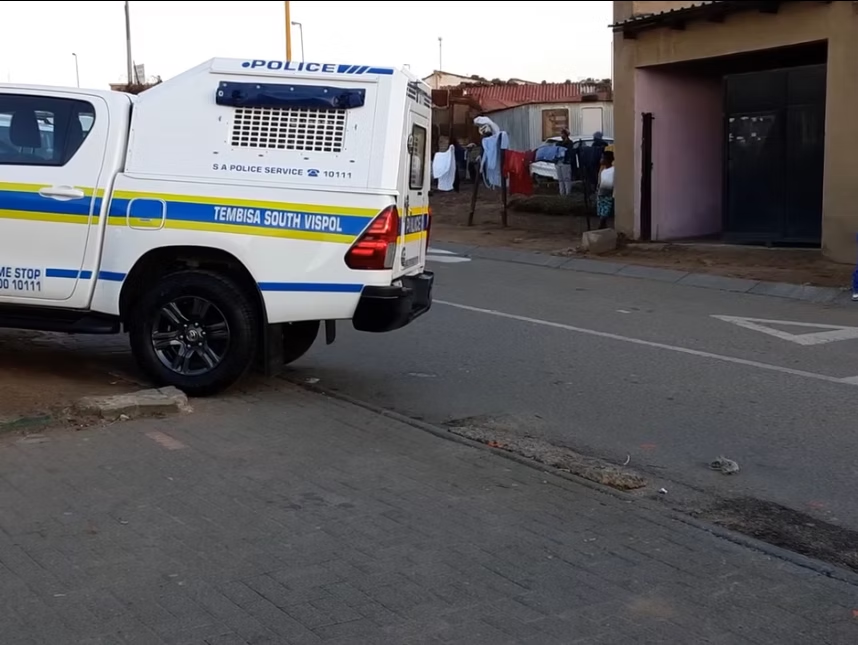
Checkers Sixty60, launched in 2019 and promising deliveries within 60 minutes regardless of weather, has recorded multiple fatalities among its riders in 2025. On June 23, a Sixty60 driver died in a head-on collision with a South African Police Service van on Voortrekker Road in Bellville, Cape Town, becoming wedged under the vehicle’s tires. Paramedics declared the rider dead at the scene, marking the third Sixty60 fatality that year. The Independent Police Investigative Directorate launched an investigation into the incident. Earlier in Mossel Bay, another rider was found unconscious following a crash in Heiderand, underscoring the service’s high-risk profile.
Public complaints document frequent violations by Sixty60 drivers, including overspeeding, wrong-way riding, and overloading bikes beyond legal limits. In one viral video from Cape Town, a rider flipped his motorbike while attempting to reverse, scattering groceries down a driveway. Another clip captured a driver crashing head-first into a residential gate during a delivery attempt. Between 2023 and 2024, motorbike-related fatalities in road accidents climbed from 1.9% to 3.2% of total incidents, with delivery riders disproportionately represented. The pressure of the 60-minute guarantee, combined with inadequate protective gear—many riders lack helmets, working lights, or gloves—forces risky maneuvers in heavy traffic. In Johannesburg’s inner city, where congestion peaks during rush hours, Sixty60 bikes have been observed weaving through blind spots and mounting pavements, contributing to near-misses reported by motorists.
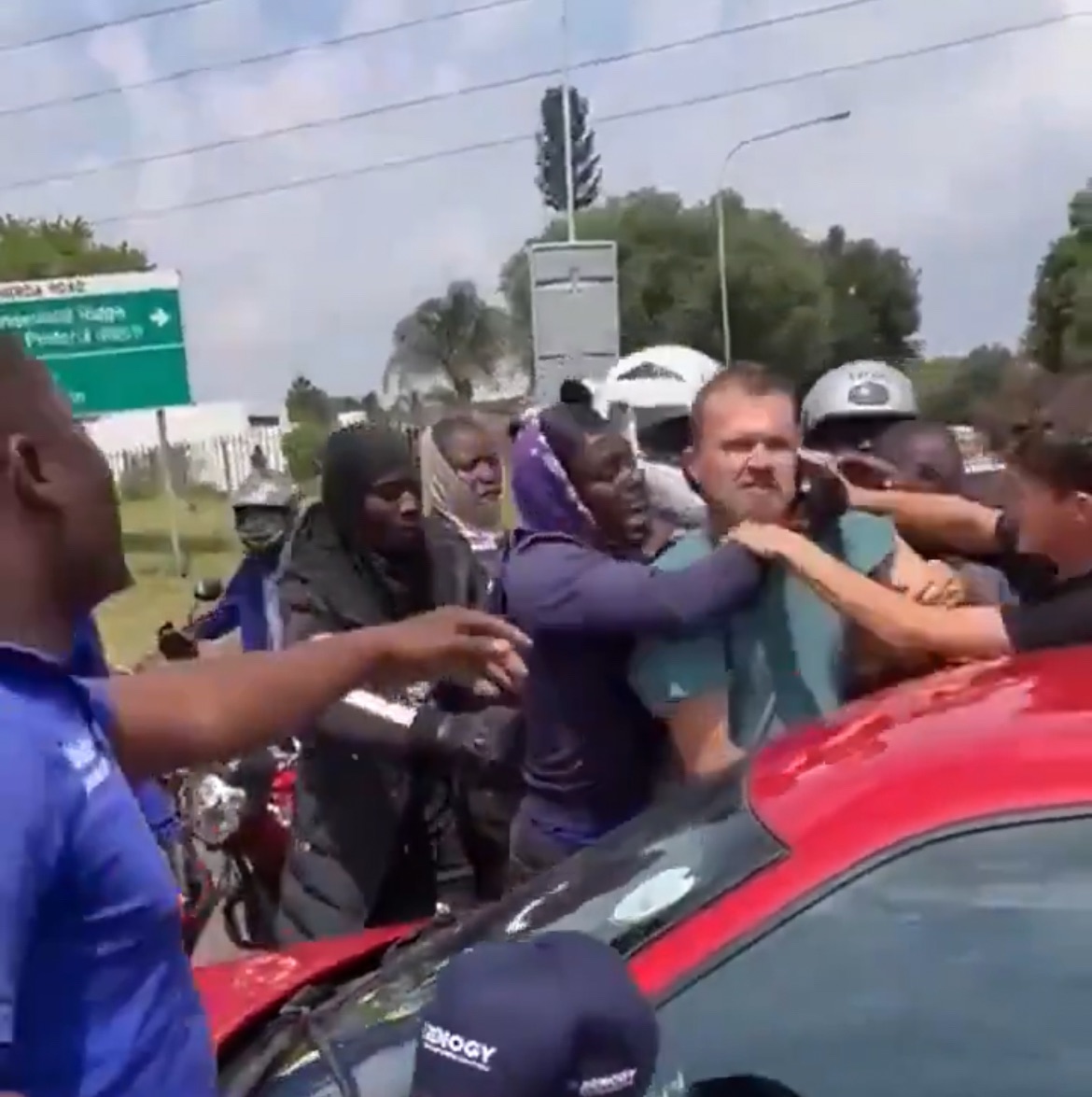
Mr D Food, operational since 1992 and now serving over 11,000 restaurants across 2,600 suburbs, has faced its own string of driver-related disruptions. In March 2025, a public holiday brawl involving multiple Mr D drivers erupted in Centurion, near Johannesburg, during a funeral procession for a deceased rider who perished in a motorcycle accident weeks prior. Video footage showed drivers assaulting two motorists at an intersection on Wierda Road, with some landing punches before others intervened to de-escalate. The Takealot Group, Mr D’s parent company, initiated an urgent investigation with the local franchisee. Historical incidents reveal deeper patterns: in 2019, a Mr D driver in Pietermaritzburg was captured on security footage exposing himself and masturbating after delivering to a female customer, leading to his immediate contract termination and handover to police.
That same year, another driver in Cape Town faced charges of rape after allegedly assaulting a customer during a delivery, with the company suspending him pending a full probe. A separate case involved an attempted rape charge against a driver for sexual assault during a Cape Town drop-off. In Durban’s eThekwini Municipality, Mr D riders have been linked to delayed orders exceeding two hours, often due to navigational errors or unroadworthy bikes. Broader sector data shows Mr D contributing to the 400 urban crashes, with riders in Johannesburg frequently cited for ignoring stop streets and riding without lights at night. The company’s zero-tolerance policy on criminal activity has resulted in terminations, but recruitment from undocumented migrant pools—95% in some estimates—perpetuates qualification gaps.
Takealot, South Africa’s largest e-commerce platform, handles over 10 million parcels annually through its bike fleet, but delivery issues compound the chaos. In one documented Johannesburg case, a Takealot/Mr D hybrid bike sideswiped a vehicle, with the driver admitting fault before fleeing; corporate records later denied affiliation, suggesting informal operations. During the COVID-19 surge in 2020, Takealot’s distribution centers in Cape Town and Johannesburg buckled under demand, delaying deliveries by up to a month and overwhelming bike couriers. In Durban, riders have overloaded e-bikes to meet same-day promises, leading to mechanical failures and spills on the N3 highway. A 2025 forum report detailed four delivery bike accidents in a single week across Gauteng: two involving Sixty60, one Pick n Pay ASAP, and one Takealot/Mr D bike. Drivers were observed texting while riding or mounting phones in helmets, violating basic safety protocols. Takealot’s last-mile electric bike trials, in partnership with Valternative Energy, aim to cut fuel costs but have not addressed the 70% foreign driver rate, where many lack endorsement B (motorcycle) licenses. In Cape Town’s Camps Bay, residents protested one-hour services after a rider’s fatal crash, blaming unlicensed foreigners on unroadworthy bikes for jumping robots and blind turns.
These incidents ripple beyond crashes. In Johannesburg, a Sixty60 driver—identified as an illegal foreigner without a license—skipped a red light, causing a multi-vehicle pile-up; dashcam footage captured the event, yet police released the rider pending verification. Durban’s port-adjacent traffic sees Takealot bikes contributing to 15% of minor collisions in 2024, per local traffic logs.
Cape Town’s Voortrekker Road, a hotspot for deliveries, logged 22 rider-involved incidents in the first half of 2025. Undocumented status deters accident reporting—foreign drivers fear deportation—underreporting true figures by up to 40%, according to the Road Traffic Management Corporation. Compensation remains elusive: Mr D offers no accident coverage for contractors, leaving families of deceased riders, like 20-year-old Rwandan Christian Hakomeyimana killed in a 2019 Cape Town hit-and-run, with zero support. Shoprite provides training in defensive driving and anti-hijacking but admits equipment shortfalls. The Department of Labour’s blitzes have netted over 200 illegal foreign drivers in 2025, yet the sector’s growth—fueled by 64% unemployment—outpaces enforcement.
As e-commerce volumes hit record highs, with Takealot reporting 25% growth in bike-delivered orders, the foreign-majority workforce’s vulnerabilities amplify systemic failures. Unlicensed riding, time pressures, and poor gear create a perfect storm, claiming lives and eroding trust in services that promised convenience. With 72 total delivery rider deaths in 2025 to date, urban South Africans navigate not just traffic, but an invisible threat on two wheels.