December 10, 2025
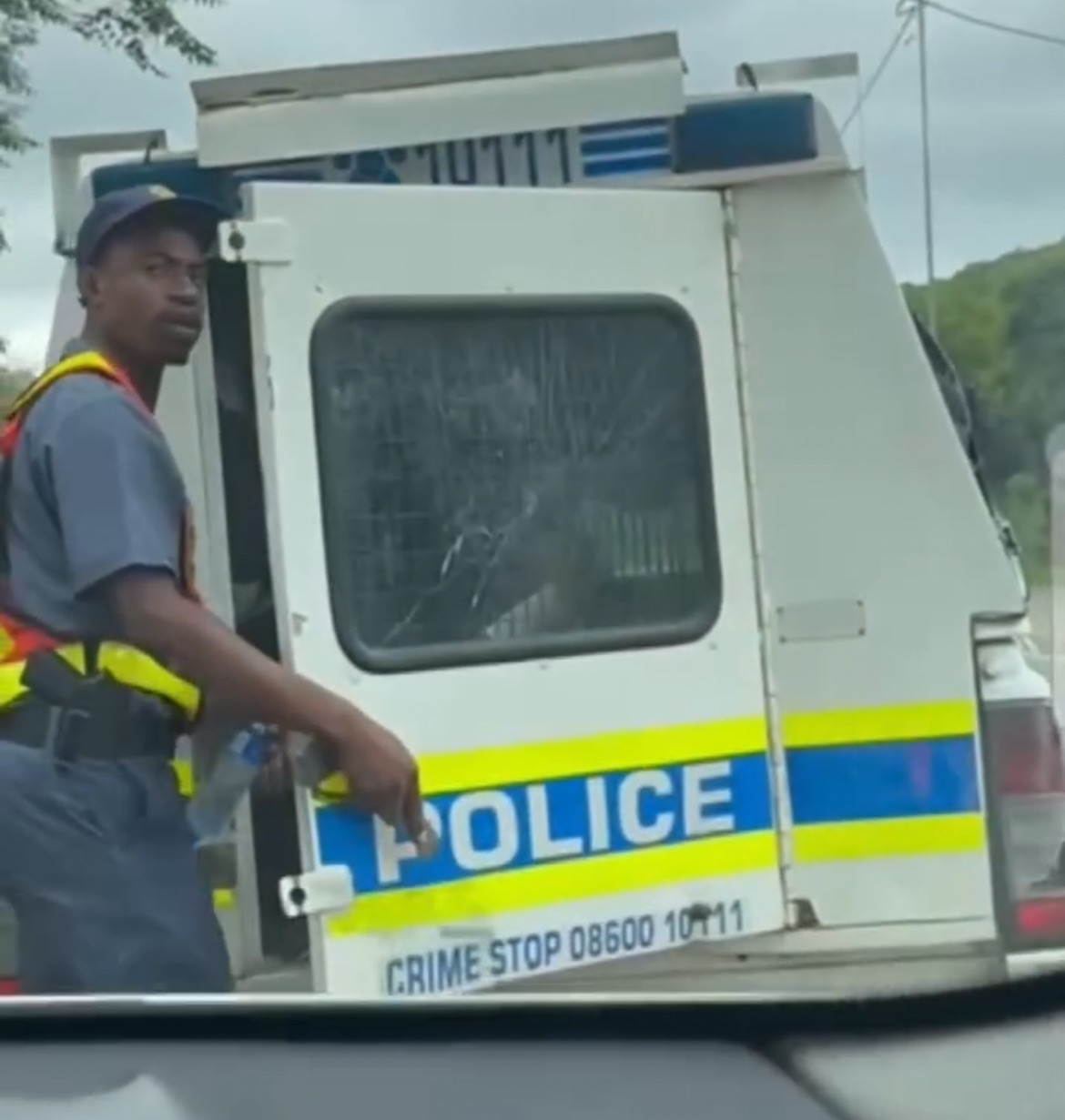
In South Africa, corruption within the South African Police Service (SAPS), metro police, and traffic police has been extensively documented, allowing criminals involved in both petty and serious offenses to avoid arrest, charges, or prosecution by paying bribes. Surveys conducted by Statistics South Africa between 2003 and 2024 show that SAPS and traffic/metro police consistently ranked in the top two positions for bribery demands in seven out of nine national surveys. An Afrobarometer survey in 2022 revealed that 19% of people who sought police assistance and 25% who had other contact with police paid a bribe, gave a gift, or did a favor to avoid problems with authorities.
Between 2018 and 2023, more than 7,000 SAPS officials faced criminal charges, with bribery among the most common offenses. In the 2011/2012 financial year alone, SAPS charged 1,050 of its own members with corruption, fraud, aiding prisoners to escape, defeating the ends of justice, and extortion. From April 2019 to March 2024, the Independent Police Investigative Directorate (IPID) received 359 corruption-related complaints against police officers, of which 290 (81%) involved extortion or the soliciting of bribes. These cases frequently included demands for money to release impounded vehicles or to avoid arrest or charges.
For petty crimes, bribery is routine. Police officers have been documented demanding amounts as low as R10 to R50 from individuals caught drinking in public, driving without a license, or committing minor offenses. In several recorded instances, suspects paid R20 or R100 to be released on the spot. Traffic and metro police have demanded R1,200 or more to release towed vehicles. Minibus taxi drivers and delivery drivers regularly pay bribes to avoid enforcement of road and licensing regulations. Undocumented migrants have paid police to secure their release after detention, and in some cases their documents were deliberately destroyed when they refused to pay, preventing formal charges from being laid. In Johannesburg, 16% of surveyed sex workers reported performing sexual favors for police officers to avoid arrest.
In serious crimes, bribery allows offenders to derail or completely escape justice. Criminal suspects have paid police to destroy evidence, lose court dockets, or refuse to oppose bail. In one case, an officer demanded R5,000 to destroy evidence against an accused person. Officers have accepted bribes to drop cases involving counterfeit money, serious assault, domestic violence, and drug possession. In multiple instances, police have taken payment to close dockets or to release seized drugs back to dealers. Some officers have supplied ammunition to criminals planning robberies or accepted regular protection payments from tavern owners, shebeen operators, and drug syndicates to avoid raids.
High-profile cases illustrate the depth of the problem. Former National Commissioner of Police Jackie Selebi was convicted in 2010 of corruption for accepting more than R1.2 million in bribes from convicted drug smuggler Glenn Agliotti in exchange for protection and sensitive information. Former KwaZulu-Natal provincial head Lieutenant-General Piet Meyer faced charges for accepting bribes to shield illegal gambling and drug operations. Officers have been investigated for owning or protecting child brothels and for releasing seized drug consignments after payment.
The SAPS Anti-Corruption Unit recorded corruption cases rising from 2,300 in 1996 to 6,480 in 2000, with bribery the dominant charge. Conviction rates remain extremely low. Of the 359 corruption cases referred to IPID between 2019 and 2024, only 8 (2%) resulted in criminal convictions and 28 (8%) in departmental convictions; 83% ended in acquittals or no further action. In the 2018 Statistics South Africa Victims of Crime Survey, 91% of citizens who were asked for bribes by police did not report the incident, citing the belief that nothing would be done or that bribery is simply “how things work.”
Public perception surveys consistently reflect this reality: 67% of South Africans believe police officers accept bribes, and a 1996 Johannesburg victimisation survey found that 53.6% of all reported bribery and corruption incidents involved SAPS members. Corruption affects all ranks and occurs in every province, enabling both petty and serious criminals to operate with reduced fear of arrest or prosecution.